Insight Dashboard vs Reports
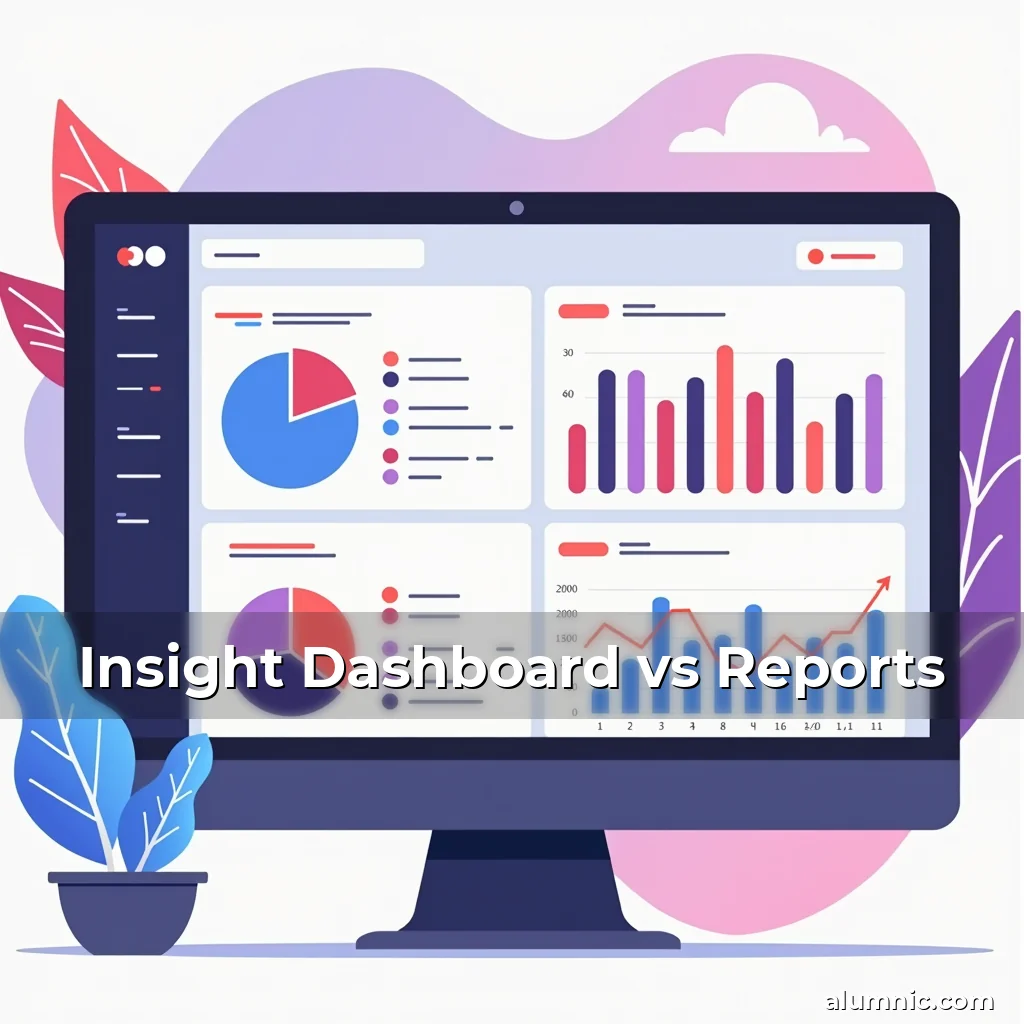
Insight Dashboard vs Reports: Transforming Alumni Engagement Through Data-Driven Decisions
In today’s fast-paced world, data has become the cornerstone of informed decision-making across industries, including alumni networks and career development programs. While traditional reporting methods still hold value, modern tools like insight dashboards offer dynamic, interactive ways to visualize and analyze complex datasets in real time. This article explores how insight dashboards differ from conventional reports and why they represent a paradigm shift for alumni engagement strategies.
The distinction between an insight dashboard and static reports lies in interactivity, scalability, and adaptability. Static reports often serve as snapshots of past performance, whereas dashboards enable continuous monitoring, predictive analytics, and actionable insights. For alumni associations and career services teams, adopting dashboards means transitioning from reactive responses to proactive strategies rooted in data.
What Is an Insight Dashboard?
An insight dashboard is a centralized digital interface designed to aggregate, display, and interpret data from various sources in a visually intuitive format. Unlike traditional reports, which require manual updates and consume significant time to produce, dashboards automate data collection and present findings through charts, graphs, heatmaps, and other visual elements.
Dashboards empower users—whether administrators, advisors, or alumni—to interact with data in real time. Users can filter results based on criteria such as location, industry, graduation year, or employment status. This flexibility makes dashboards particularly useful for tracking long-term trends in alumni outcomes, job placement rates, or engagement levels.
- Data aggregation: Dashboards pull information from CRM systems, surveys, LinkedIn profiles, and internal databases, consolidating fragmented data into cohesive visuals.
- User interaction: Features like drill-down capabilities allow users to explore subsets of data, uncover hidden patterns, and identify outliers quickly.
- Scheduled updates: Automated refresh intervals ensure that insights remain current, eliminating the need for manual report generation.
The core purpose of an insight dashboard is not merely to showcase numbers but to transform raw data into meaningful stories. For example, an alumni office might use a dashboard to monitor donation trends, event attendance, or mentorship program participation metrics simultaneously, enabling cross-departmental collaboration and strategic alignment.
Why Traditional Reports Fall Short for Modern Needs
Traditional reports, whether PDFs, Excel spreadsheets, or Word documents, are inherently limited by their static nature. They capture data at a single moment in time and require extensive effort to update or modify. In contrast, alumni engagement demands agility; decisions need to respond to evolving circumstances, such as shifting workforce requirements or new networking opportunities.
Reports also lack the contextual depth provided by dashboards. A standalone table showing alumni employment rates may fail to reveal underlying factors influencing those figures. Dashboards address this gap by overlaying additional layers of context, such as regional economic conditions or industry-specific challenges, allowing stakeholders to draw nuanced conclusions.
The Cost of Sticking With Outdated Reporting Practices
Organizations relying solely on traditional reports risk making suboptimal decisions due to delayed access to critical information. For instance, identifying a decline in volunteer participation among recent graduates could take weeks to surface in a quarterly report, during which time initiatives may already face resource shortages or declining momentum.
Moreover, static reports do little to foster transparency or inclusivity. Alumni and career center staff alike benefit from having direct access to live data through dashboards, promoting ownership of outcomes and encouraging data-driven conversations at all organizational levels.
How Insight Dashboards Enhance Alumni Network Management
A well-designed insight dashboard revolutionizes the way alumni networks operate by providing instant visibility into member activities, preferences, and contributions. From tracking reunion attendance to measuring the success of recruitment drives, dashboards streamline administrative tasks and free up resources for high-value engagements.
Career development departments, in particular, gain unprecedented clarity into student and alumnus progress. Metrics such as internship placements, graduate salaries, or employer satisfaction scores can be monitored dynamically, enabling early interventions for individuals falling behind or highlighting best practices for replication.
- Personalized outreach: Dashboards can segment alumni based on shared attributes (e.g., alumni of a certain decade, geographic region) and suggest targeted communication strategies.
- Event optimization: Real-time attendee tracking helps organizers adjust seating, scheduling, or speaker lineups mid-event for better participant experiences.
- Fundraising efficiency: By correlating donor behavior with engagement markers (such as event attendance or social media activity), nonprofits can prioritize cultivation efforts strategically.
Beyond operational improvements, dashboards cultivate trust and accountability. When alumni see transparent reporting on fund usage, event impact assessments, or hiring pipeline stats, they’re more likely to view the network as reliable and forward-thinking.
Real-World Applications of Insight Dashboards in Higher Education
Several universities have adopted insight dashboards to enhance alumni relations and career support. At Stanford University, for example, a custom dashboard tracks global alumni contributions, revealing how different regions contribute to institutional goals. This has guided expansion plans for study abroad programs and local chapter funding.
At Harvard Business School, a dashboard monitors post-graduation trajectories for MBA students, integrating feedback from employers and alumni mentors. This enables faculty to refine curriculum offerings and align them with market demands, strengthening the school’s reputation as an industry leader.
Case Study: University of Michigan’s Alumni Engagement Overhaul
Before implementing an insight dashboard, the University of Michigan faced challenges in coordinating its vast alumni base, which spans over 600,000 members globally. Manual reporting led to delays, inconsistencies, and missed opportunities for engagement.
After deploying a cloud-based dashboard system, the university reduced data processing times by 70% and increased alumni participation in events by 45%. Key metrics included attendance, donation thresholds, and survey response rates, all displayed in real time. This allowed staff to proactively reach out to underrepresented groups and tailor programming accordingly.
The result was a 30% increase in annual donations and stronger ties between alumni and current students via mentorship platforms integrated into the dashboard. These successes underscored the power of data visualization in fostering loyalty and driving measurable outcomes.
Best Practices for Implementing an Effective Insight Dashboard
Creating an effective insight dashboard requires careful planning and stakeholder input. Begin by identifying your organization’s primary objectives: Are you aiming to boost alumni fundraising? Improve career advising quality? Or strengthen peer-to-peer networking?
Once priorities are clear, define the data sources you’ll integrate. Ensure compatibility with existing systems, such as CRM software, learning management platforms, or third-party APIs. Poorly integrated data can lead to inaccuracies and undermine credibility.
- Prioritize usability: Avoid overwhelming users with too many widgets or overly technical terminology. Keep interfaces clean and focused on action-oriented insights.
- Establish governance protocols: Define roles for who will manage data entry, review outputs, and communicate findings internally and externally.
- Invest in training: Provide tutorials or workshops to familiarize staff with dashboard functionalities, ensuring widespread adoption and minimizing errors.
Finally, conduct regular audits of your dashboard to ensure accuracy and relevance. As business environments evolve, so too should your KPIs and visual representations. Continuously solicit feedback from end-users to refine the tool and maximize its utility.
Challenges in Adopting Insight Dashboards and How to Overcome Them
Despite their benefits, implementing an insight dashboard comes with potential hurdles. Resistance to change is common, especially among older generations accustomed to paper-based or spreadsheet workflows. Address this by demonstrating tangible ROI through pilot projects and sharing success stories from similar institutions.
Data privacy concerns may also arise, particularly when collecting sensitive information from alumni. Ensure compliance with regulations like GDPR or FERPA by anonymizing personal identifiers wherever possible and securing access controls rigorously. Transparent policies regarding data usage build trust and encourage participation.
- Lack of expertise: Partner with IT professionals or external vendors experienced in dashboard design to navigate implementation complexities.
- Budget constraints: Explore open-source solutions or phased rollouts to minimize upfront costs while maintaining functionality.
- Data silos: Work cross-functionally to break down departmental barriers and
Whether you aim to revitalize alumni participation, optimize career advising, or elevate institutional reputation, investing in a robust insight dashboard opens doors to innovation, transparency, and lasting impact. Embrace this evolution, stay curious about emerging technologies, and watch your community thrive on the foundation of smart, connected data.