Improving Your Institution’s Pride Score
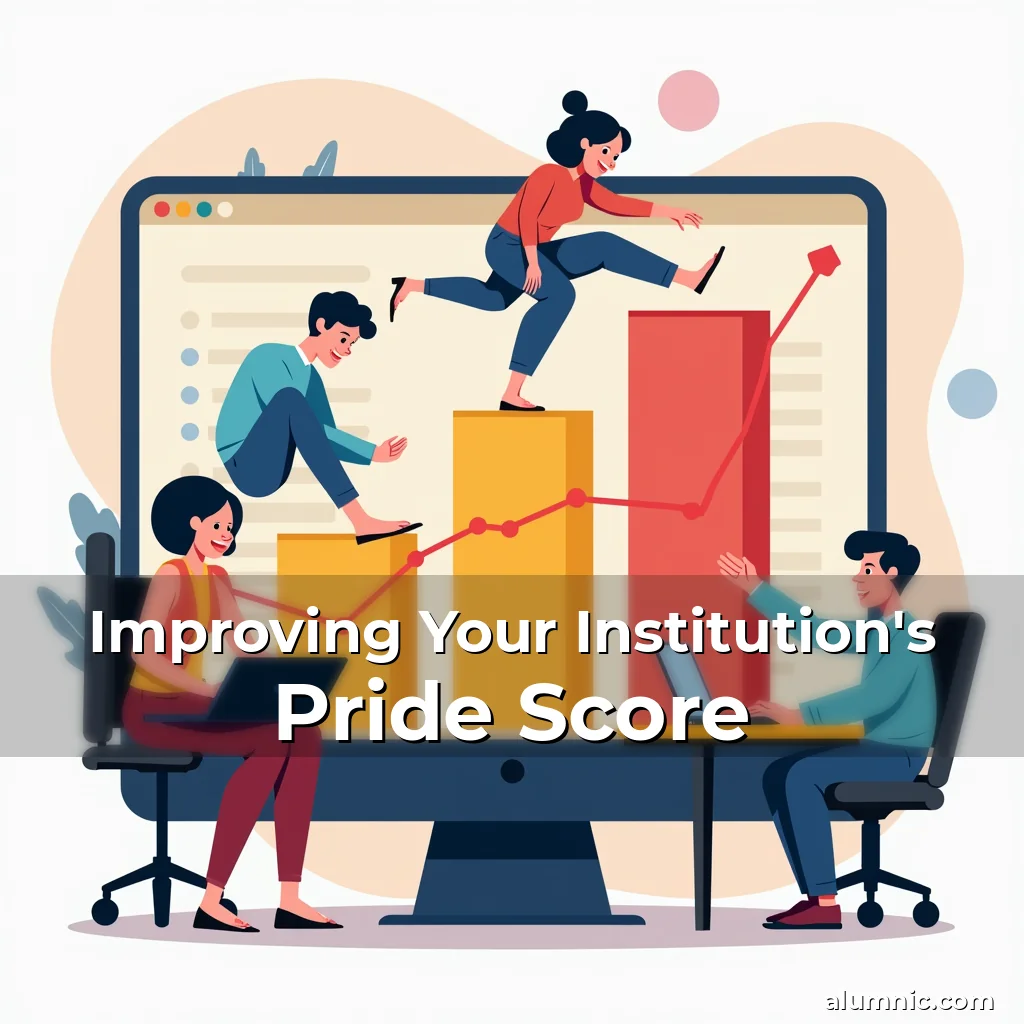
Elevating Alumni Engagement Through Institutional Pride Scores
In today’s interconnected world, alumni networks play a pivotal role in shaping institutional identities and fostering long-term relationships between graduates and their alma maters. A crucial metric driving these dynamics is the “Pride Score,” which reflects the collective sentiment, loyalty, and advocacy of alumni toward their educational institution.
This article delves into the concept of the Pride Score, exploring its significance, measurement methods, and practical applications for alumni networks and career development programs. Whether you’re part of an alumni association, a university administrator, or a professional seeking to leverage your network, understanding this metric will unlock new opportunities for collaboration and growth.
What Is a Pride Score? Understanding Its Core Components
The term “Pride Score” refers to a quantifiable measure of how strongly alumni feel connected to their educational institution and how actively they engage with its mission, values, and offerings. This score encapsulates both emotional attachment and behavioral indicators such as participation rates, fundraising contributions, and public endorsements.
A high Pride Score signifies that alumni view their alma mater as a source of personal and professional identity, while a low score may indicate disengagement or dissatisfaction with institutional practices. It is influenced by various elements including academic quality, campus culture, post-graduation support, and the strength of alumni communication channels.
- Emotional Connection: Alumni who share positive memories or experiences often develop deeper ties to their institution, increasing their likelihood of remaining active participants.
- Reputation & Recognition: Institutions known for excellence in research, innovation, or industry partnerships tend to cultivate higher Pride Scores among graduates.
Why Pride Matters for Alumni Networks and Career Development
Alumni networks thrive when members feel emotionally invested in their shared history and achievements. A robust Pride Score encourages greater participation in events, mentorship programs, and collaborative projects that benefit both current students and working professionals.
From a career development perspective, a proud alumnus is more likely to advocate for their peers during hiring processes, recommend internships, or provide insider knowledge about industry trends. These actions
Machine learning models trained on this information predict which interventions would yield highest returns in terms of sustained alumni interest and continued investment—allowing strategic allocation of limited resources towards impactful initiatives.
Navigating Challenges in Building Lasting Institutional Loyalty
Despite best efforts, there will always be those whose paths diverge significantly from expected trajectories after leaving school. Being flexible enough to acknowledge differing journeys prevents alienation while still nurturing overall community spirit.
Crisis management protocols prepared ahead of time ensure swift response when negative publicity emerges—an essential safeguard against sudden drops in perceived institutional integrity that could undermine carefully cultivated reputations overnight.
Future Horizons: Where Should We Focus Next?
With climate change becoming ever more pressing issue globally, institutions demonstrating leadership in sustainability efforts gain automatic goodwill from environmentally conscious graduates. Aligning curricula with green technologies prepares future leaders ready to tackle tomorrow’s challenges head-on.
Global health crises have shown just how vital cross-border cooperation truly is. Developing international exchange programs strengthens bonds among alumni scattered around globe while preparing next generation diplomats skilled navigating complex geopolitical landscapes.
Conclusion
The evolution of modern alumni relations hinges critically upon cultivating enduring feelings of pride among graduates. By adopting innovative measurement frameworks and implementing empathetic engagement strategies, institutions empower their communities to thrive professionally and personally well beyond conventional boundaries.
Whether through leveraging cutting-edge technologies, embracing intergenerational dialogue, or simply remembering birthdays fondly—we all hold power shaping legacy we leave behind. Now is the time to recommit ourselves wholeheartedly towards building richer futures grounded firmly in mutual respect and shared aspirations.