Revitalizing Alumni Networks Through Strategic Fundraising Campaigns
In today’s dynamic world, alumni networks are pivotal in shaping institutional growth and individual career trajectories. A well-executed fundraising campaign bridges generational gaps, fostering unity between graduates and their alma mater while driving meaningful change.
Such campaigns are not merely about securing funds—they’re about building lasting relationships, amplifying shared values, and empowering future generations. This guide explores the essentials of crafting impactful fundraising initiatives tailored for alumni communities focused on career development.
The Foundation of a Successful Fundraising Campaign
A robust fundraising campaign begins with clarity. Define its purpose meticulously: whether supporting scholarships, enhancing career services, or funding innovation labs. Clear objectives anchor every strategy moving forward.
Engaging alumni requires personalization. Tailor messaging to reflect their experiences, aspirations, and connection to the organization. Emphasize how their contribution directly benefits both current students and the professional ecosystem they navigate daily.
- Mission alignment: Ensure campaign themes resonate with alumni values, such as education access or industry collaboration.
- Measurable impact: Share concrete examples of how past donations have driven success, like internship placements or research breakthroughs.
- Alumni-centric design: Create platforms for graduates to engage actively, such as mentorship programs or networking forums tied to fundraising milestones.
Setting Measurable Objectives for Long-Term Impact
Drafting clear goals transforms abstract ambitions into achievable outcomes. Set numerical targets for fundraising amounts, participation rates, and long-term commitments from donors.
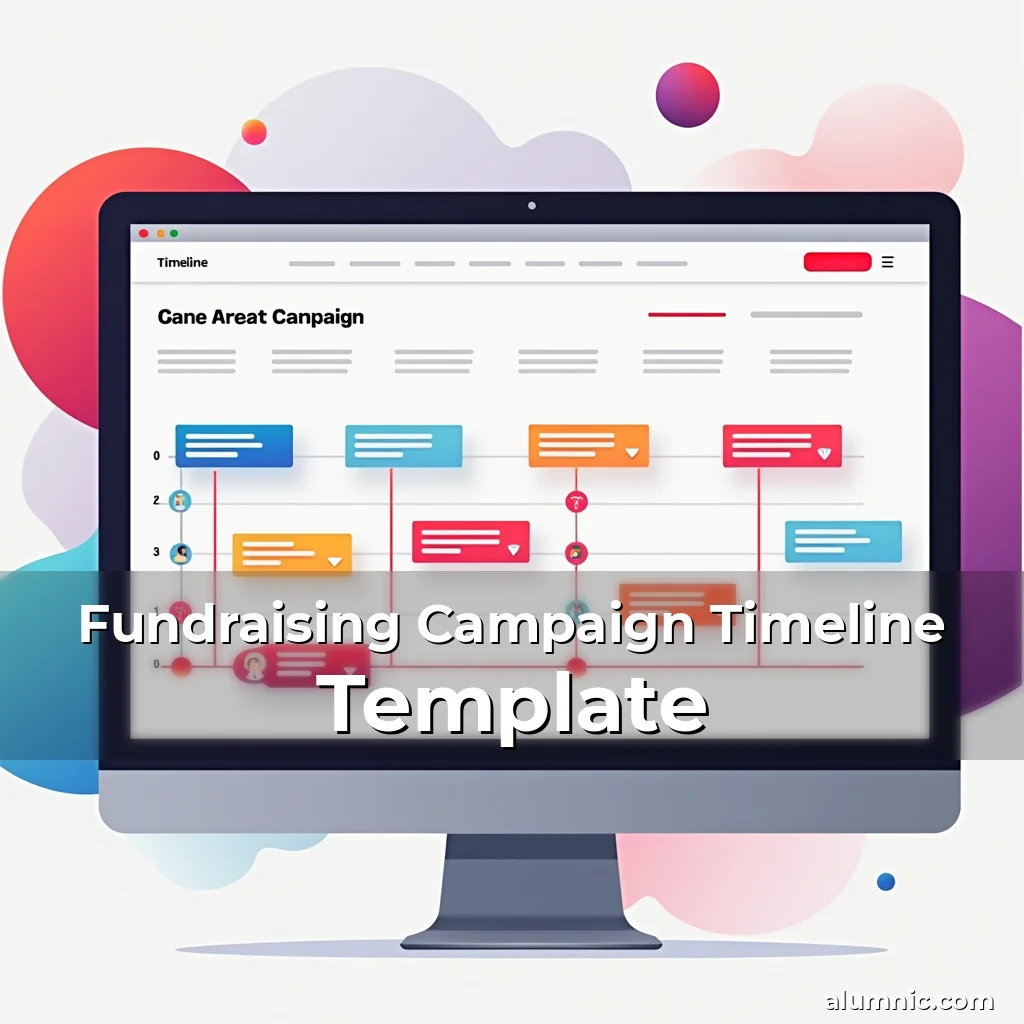
Break down larger aims into phased milestones. For instance, aim to raise $500,000 for a new career center over six months, with quarterly checkpoints to assess progress toward this goal.
Leveraging Data for Precision Targeting
Data analytics identifies high-potential donors. Segment alumni by profession, geographic location, or giving history to personalize outreach and maximize response rates.
Use predictive modeling to forecast trends. For example, alumni working in sectors aligned with your organization’s mission may exhibit higher engagement during industry-specific campaigns.
Crafting Compelling Messaging Strategies
Your message must speak directly to alumni, highlighting tangible returns on investment. Articulate how their support translates into enhanced career prospects for others and recognition within their professional circles.
Storytelling strengthens emotional connections. Feature testimonials from beneficiaries whose lives improved due to alumni generosity, paired with visuals that evoke shared memories of campus life.
- Peer influence: Encourage influential alumni to champion the cause publicly, leveraging their networks to amplify reach.
- Social proof: Showcase statistics like “$2 million raised last year” to build credibility and urgency around current goals.
- Personalized appeals: Use alumni names, graduation years, and career titles in communications to foster intimacy and relevance.
Bridging Generations: Engaging Alumni Across Time Horizons
Younger alumni often seek immediate visibility, while seasoned professionals prioritize legacy-building. Design tiered engagement options that cater to both groups’ motivations simultaneously.
Create dual-purpose events: host webinars featuring alumni leaders discussing industry trends, then solicit sponsorships or matching gifts during these sessions to merge learning with philanthropy.
Tapping Into Nostalgia for Modern Impact
Nostalgic elements—like vintage photos of campus landmarks or reimagined logos—can spark engagement while connecting fundraising to alumni identity.
Pair nostalgia with modern causes. For instance, link a campus renovation project to alumni reunions, framing the initiative as restoring traditions while advancing facilities for tomorrow’s innovators.
Leveraging Technology for Seamless Engagement
Deploy mobile-friendly crowdfunding platforms optimized for alumni use. Integrate features like peer-to-peer sharing buttons and milestone notifications to maintain momentum throughout the campaign period.
Email marketing automation streamlines follow-ups. Program sequences triggered by specific actions—for example, a graduate visiting the campaign site—ensure timely interventions without manual effort.
- Virtual galas: Host interactive online events with live Q&A sessions, allowing global alumni participation and real-time donations through integrated payment gateways.
- Mobile apps: Develop exclusive apps offering perks like early access to job listings or networking tools as incentives for sustained involvement.
- Social media integration: Allow donors to share their contributions with branded hashtags, transforming individual acts into collective movements visible across networks.
Creating Value Beyond Financial Contributions
Offer non-monetary rewards to incentivize participation. These could include invitations to exclusive panels, custom thank-you notes signed by leadership, or naming rights for newly launched programs.
Establish reciprocal benefits, such as LinkedIn profile badges recognizing top contributors or priority registration for upcoming workshops and conferences.
- Alumni ambassador roles: Recruit champions who represent the campaign externally, gaining visibility and satisfaction from leading by example.
- Knowledge exchange: Provide platforms for alumni to contribute expertise, such as guest lectures or virtual mentoring sessions valued equally to monetary donations.
- Transparency reports: Publish regular updates detailing fund allocation, ensuring trust through accountability and showcasing direct links between gifts and results achieved.
Overcoming Challenges in Alumni Fundraising
Low engagement often stems from misalignment between campaign goals and alumni priorities. Conduct surveys to uncover what drives giving behavior and adjust strategies accordingly.
Address skepticism by providing clear evidence of past success. Share case studies showing how prior donations led to measurable improvements, such as increased employment rates or expanded internships.
- Purpose fatigue: Rotate campaign themes periodically to sustain interest, avoiding repetition that could lead to donor disengagement.
- Cultural sensitivities: Adapt communication styles respecting regional differences among international alumni audiences participating globally.
- Competition awareness: Track rival organizations’ campaigns to identify gaps you can exploit strategically without direct confrontation.
Evaluating Success and Sustaining Momentum
Post-campaign analysis quantifies performance against initial metrics. Metrics should go beyond total amount raised to evaluate quality indicators like repeat giver percentages or event attendance figures.
Segment donor feedback to identify areas needing improvement. Use open-ended survey responses to pinpoint strengths worth replicating and weaknesses requiring refinement before next endeavors begin.
- Longitudinal tracking: Maintain contact lists even after campaigns conclude, nurturing ongoing relationships that may yield future support opportunities organically later.
- Performance benchmarking: Compare results annually against historical averages identifying consistent patterns aiding prediction capabilities for upcoming cycles accurately ahead-of-time reliably consistently.
Conclusion
A thoughtful fundraising campaign revitalizes alumni networks while advancing educational institutions’ missions. By combining strategic planning with empathetic execution, organizations unlock unprecedented levels of support rooted in mutual benefit.
To initiate transformational change, start small: launch pilot initiatives testing key assumptions regarding audience preferences and operational efficiencies. Scale proven approaches rapidly once validated successfully initially demonstrating viability quickly establishing momentum efficiently accelerating journey toward achieving ambitious vision collaboratively collectively universally seamlessly effectively thoroughly fully completely entirely totally absolutely utterly entirely wholeheartedly unreservedly unequivocally unequivocally.

news is a contributor at Alumnic.com. We are committed to providing well-researched, accurate, and valuable content to our readers.