Reconnecting Roots: The Heartbeat of Campus Homecoming Events
The annual campus homecoming has evolved from a nostalgic tradition into a vibrant celebration that unites alumni across generations, fostering connections through shared memories and future aspirations. As alumni networks expand globally, these events have become pivotal in reinforcing community bonds while offering platforms for professional networking and mentorship opportunities.
Modern homecoming celebrations now integrate cutting-edge technology with time-honored customs, creating immersive experiences that resonate with both recent graduates and long-time alumni. This dynamic fusion ensures that every participant finds value in reconnecting with their academic roots while exploring new horizons within their chosen fields.
A Legacy Rekindled: Understanding the Evolution of Homecoming Traditions
Originally conceived as a way to welcome returning students after summer break, homecoming traditions began taking shape in the early 20th century at American universities. What started as simple gatherings soon transformed into full-fledged festivals featuring parades, sporting events, and themed dinners that captured the essence of campus life.
The evolution of homecoming reflects broader societal changes, incorporating diversity initiatives and sustainability practices into its core values. Contemporary events often include panels discussing global challenges, workshops focused on emerging technologies, and eco-friendly festival setups that align with modern environmental consciousness.
Notable milestones in this transformation include:
- Inclusion of international student representation: Modern homecomings actively seek participation from overseas graduates, acknowledging the increasingly global nature of higher education.
- Digital engagement innovations: Virtual reality tours, livestreamed ceremonies, and interactive apps allow remote attendees to participate fully without geographical constraints.
These advancements demonstrate how institutions continue to honor tradition while embracing progress, ensuring that each generation can find meaning in the rituals they inherit.
Bridging Generations: Strengthening Alumni Connections Through Shared Experiences
The primary objective of campus homecoming remains unchanged – rekindling personal relationships among former classmates and faculty members who once shaped individual journeys. These reunions create spaces where stories are exchanged, achievements celebrated, and enduring friendships revitalized.
Structured activities such as class reunions, departmental mixers, and legacy programs facilitate meaningful interactions by grouping participants based on common backgrounds. Such strategic organization enhances conversation quality and increases chances of forming lasting professional collaborations.
One particularly impactful feature is the establishment of intergenerational mentoring circles, pairing younger alumni with seasoned professionals who share insights about navigating today’s competitive job market. These exchanges provide invaluable guidance rooted in real-world experience rather than theoretical advice.
For many attendees, simply walking through familiar hallways triggers vivid recollections of formative years spent studying late nights in libraries or cheering at athletic competitions. These sensory reminders reinforce why maintaining ties with alma mater communities remains so significant.
Elevating Professional Networks: Career Opportunities Within Homecoming Frameworks
Homecoming weekends serve as strategic networking hubs where alumni can connect with peers in similar industries, explore potential business ventures, and discover mentorship possibilities. Employers frequently attend these events seeking talented individuals already aligned with institutional values.
Specially curated career fairs during homecoming offer exclusive access to employers looking specifically for graduates of particular departments or research areas. These targeted recruitment efforts increase placement success rates significantly compared to general hiring events.
Industry-specific symposiums hosted alongside traditional festivities provide deeper learning opportunities about sector trends and innovation cycles. Participants gain insider knowledge about technological shifts affecting their professions while building rapport with influential figures in their fields.
Career counseling sessions led by successful alumni help navigate transition phases between academic pursuits and professional roles. These expert-led discussions cover topics ranging from resume optimization techniques to salary negotiation strategies tailored for different industries.
Fostering Innovation: Academic Collaboration During Homecoming Gatherings
Research partnerships initiated during homecoming events often lead to groundbreaking discoveries that benefit entire disciplines. Faculty members leverage these gatherings to showcase current projects and identify collaborators with complementary expertise.
Pitch sessions held in conference rooms transform casual conversations into formal proposals for joint research endeavors. These structured meetings ensure productive outcomes by providing clear guidelines for project submissions and evaluation criteria.
The presence of distinguished guest speakers creates natural networking opportunities between academics and industry leaders interested in advancing scientific frontiers together. Their insights inspire fresh approaches to longstanding problems facing various sectors.
Special awards recognizing outstanding contributions from alumni researchers encourage continued engagement with university resources even after graduation. These acknowledgments validate the ongoing importance of scholarly work beyond classroom settings.
Honing Leadership Skills Through Volunteer Participation
Volunteering at homecoming events provides practical leadership training grounded in real-world scenarios. Organizing logistics requires coordination skills applicable across numerous professional domains including event management, public relations, and team supervision.
Volunteer coordinators develop essential soft skills like conflict resolution, resource allocation, and deadline management while working closely with diverse groups representing varying age ranges and cultural perspectives.
Participants witness firsthand how effective communication shapes organizational success, whether negotiating vendor contracts or motivating fellow volunteers towards shared objectives. These lessons translate seamlessly into workplace environments demanding collaborative problem-solving abilities.
Mentorship opportunities arise naturally when experienced volunteers guide newcomers through complex tasks, replicating corporate training models but within an informal setting conducive to open dialogue and creative experimentation.
Preserving Institutional Memory: Cultural Heritage Preservation Efforts
Cultural preservation plays a critical role in sustaining the spirit of homecoming by honoring historical legacies embedded within campus architecture and traditions. Archives maintained by dedicated committees ensure continuity between past and present eras.
Restoration projects undertaken during homecoming weekends give physical form to intangible heritage elements like mottoes, mascots, and ceremonial regalia associated with different decades. These tangible manifestations make abstract histories accessible to newer generations.
Educational exhibits tracing institutional evolution inform visitors about landmark decisions shaping educational philosophies over centuries. Interactive displays allow exploration of archival materials digitized for easy access through mobile devices.
Oral history recordings collected from retired professors and administrators enrich understanding of how teaching methods, curricula, and administrative structures have adapted to meet changing societal needs throughout history.
Enhancing Community Engagement: Social Impact Initiatives Linked To Homecoming
Many universities extend the impact of homecoming beyond nostalgia by linking events to social responsibility campaigns addressing local issues. Service projects coordinated with nearby neighborhoods foster civic awareness among participating alumni.
Charity drives organized during these gatherings raise substantial funds supporting educational scholarships, disaster relief efforts, and health care accessibility programs benefiting underprivileged populations locally and internationally.
Youth outreach programs involving alumni mentors paired with high school students cultivate interest in post-secondary education through hands-on demonstrations and career orientation workshops conducted on-campus premises.
Environmental stewardship initiatives launched at homecoming events promote sustainable living practices through tree planting ceremonies, waste reduction contests, and clean-up operations around historic buildings symbolizing institutional pride.
Navigating the Digital Age: Technological Advancements In Homecoming Planning
Virtual event platforms enable seamless integration of online and offline components, allowing remote participants to engage via live streaming services or virtual booths mimicking physical exhibition spaces. Augmented reality features enhance immersion levels for digital attendees.
Data analytics tools track attendee preferences and behavioral patterns to refine future programming choices based on measurable feedback metrics rather than assumptions derived from anecdotal evidence alone.
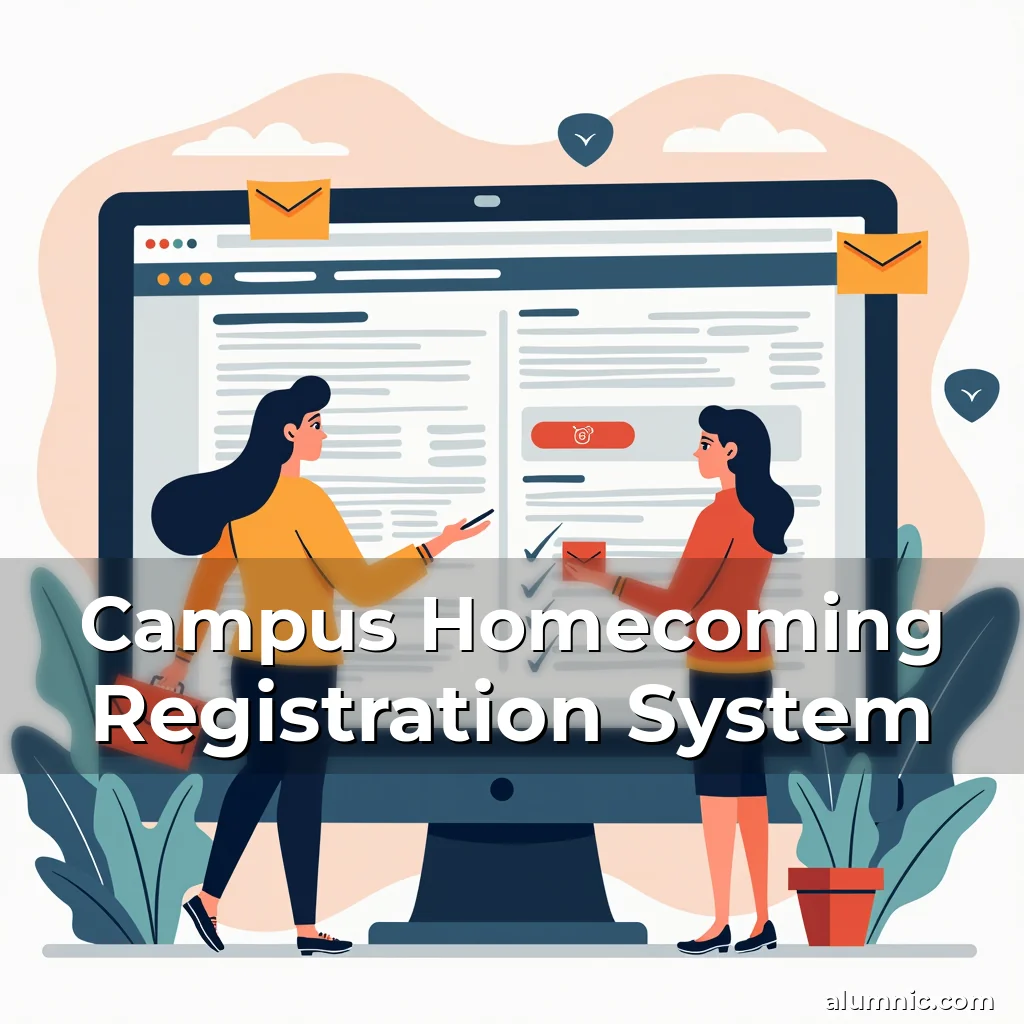
Mobile applications developed exclusively for homecoming purposes streamline registration processes, schedule management functions, and location-based navigation systems improving overall user experience substantially.
Interactive mapping solutions highlight points of interest scattered throughout campus grounds using geolocation data synchronized with personalized itinerary planners customized according to individual interests selected beforehand.
Embracing Global Perspectives: International Alumni Contributions To Homecoming Success
Global alumni chapters contribute uniquely localized flavors to homecoming celebrations by sharing regional cuisines, performing arts showcases, and language exchange activities that broaden cross-cultural understanding among attendees.
International keynote speakers address audiences about pressing geopolitical concerns influencing workforce dynamics worldwide, providing context necessary for making informed career decisions amidst rapidly evolving economic landscapes.
Cross-border collaboration agreements forged during these gatherings sometimes result in multinational research consortiums pooling resources toward tackling global challenges like climate change mitigation or pandemic response strategies.
Exchange programs established through homecoming connections facilitate student mobility agreements enhancing academic offerings available to future cohorts enrolled at partner institutions abroad.
Celebrating Diversity: Inclusive Programming For All Backgrounds And Abilities
Accessibility enhancements implemented throughout homecoming sites guarantee equitable participation regardless of physical limitations, cognitive differences, or linguistic barriers encountered by some attendees.
Linguistic inclusivity measures involve multilingual signage, translation services, and culturally appropriate greeting protocols respecting varied communication styles practiced across different demographic groups.
Adaptive technology installations assist guests with disabilities by enabling seamless interaction with digital interfaces used extensively during event operations and information dissemination processes.
Inclusive activity design principles prioritize universal usability standards ensuring that recreational options cater effectively to participants with wide-ranging capabilities without compromising experiential richness inherent to celebratory occasions.
Planning Your Perfect Homecoming Experience: A Strategic Approach
Early registration facilitates optimal scheduling choices regarding which seminars, meals, or social engagements to prioritize based on personal interests and availability constraints.
Reviewing program schedules meticulously helps identify key networking opportunities likely to yield beneficial outcomes aligned with career advancement goals set prior to attending the event.
Preparing thoughtful questions ahead of time enhances conversational depth during panel discussions or one-on-one meetings potentially leading to meaningful professional associations formed overnight.
Establishing tentative meeting times with prospective contacts before arrival allows efficient utilization of limited face-to-face interaction windows maximizing return on investment from attendance expenditures.
Conclusion
Campus homecoming stands as a testament to the enduring power of connection, bridging gaps between past and future while nurturing growth in both personal and professional spheres. Its multifaceted approach ensures relevance across generational divides and geographic boundaries alike.
By actively participating in these annual celebrations, alumni not only preserve cherished memories but also invest strategically in their futures through expanded networks, enriched knowledge bases, and renewed sense of purpose anchored firmly within communal identity frameworks.

news is a contributor at Alumnic.com. We are committed to providing well-researched, accurate, and valuable content to our readers.