Empowering Futures: How Alumni Contributions Fuel Institutional Growth Through Annual Funds
The annual fund serves as a vital lifeline for universities, colleges, and professional institutions, bridging the gap between institutional goals and the generosity of their alumni communities. By contributing annually, alumni help sustain essential operations, drive innovation, and expand opportunities for future generations. This financial support is often the most immediate and flexible form of giving, enabling organizations to respond swiftly to emerging needs.
In today’s dynamic educational and career landscapes, alumni engagement has evolved beyond nostalgia; it has become a strategic partnership. An active annual fund program fosters ongoing connections between graduates and their alma maters, creating a shared vision for progress. Whether supporting student scholarships, cutting-edge research, or campus infrastructure, your contributions leave a lasting impact.
Why Annual Giving Matters for Alumni Engagement
Alumni contributions to annual funds are more than charitable acts—they are investments in mutual growth. Institutions rely on steady funding streams to maintain academic excellence, modernize facilities, and provide resources that align with evolving industry standards. These donations are particularly crucial during economic downturns when endowments may struggle to meet rising operational costs.
Flexibility is a hallmark of annual fund donations. Unlike restricted gifts tied to specific projects, these funds can be allocated wherever they’re most urgently needed. A sudden increase in tuition aid requests? A new laboratory requiring equipment? Annual fund donors empower institutions to act decisively.
Community building is another compelling reason to participate. When alumni contribute regularly, they signal commitment to their network, fostering deeper relationships with peers, faculty, and administrators. This sense of belonging strengthens loyalty and
- Share Personal Journeys: Post about how your alma mater shaped your career path and how you hope to pay it forward.
- Promote Milestones: Celebrate the completion of fundraising targets by acknowledging team efforts and thanking contributors publicly.
- Host Local Events: Organize potlucks, coffee meetups, or charity runs with fellow alumni to discuss the importance of giving.
Navigating Challenges: Addressing Concerns About Annual Fund Participation
Despite the many advantages, some alumni hesitate to contribute due to misconceptions or logistical barriers. One common concern is uncertainty about how exactly their money will be used. Transparent reporting practices and regular communications from the institution alleviate these doubts, ensuring donors understand the direct applications of their gifts.
Financial constraints are another hurdle. However, institutions often offer flexible options, including micro-donations or payroll deduction plans that spread payments across months. Even small amounts accumulate meaningfully when pooled together, proving that every contribution counts.
Privacy concerns occasionally deter potential donors. While many choose anonymity, others appreciate being recognized for their generosity. Schools typically provide clear policies outlining how donor information is handled, respecting confidentiality while honoring wishes for acknowledgment.
Time limitations pose a challenge for busy professionals. Fortunately, digital platforms automate much of the process, letting alumni manage pledges, view reports, and adjust contributions effortlessly from anywhere. Virtual volunteering opportunities also allow engagement without requiring physical presence.
Global Perspectives: Annual Funds Beyond Borders
As globalization reshapes higher education and career trajectories, annual fund models are adapting to serve diverse audiences. International alumni face unique considerations, such as currency exchange, tax implications, and language accessibility. Many institutions now tailor communication strategies to accommodate these differences, ensuring inclusivity for non-native speakers and overseas contributors.
Virtual campaigns have become standard practice, eliminating geographical restrictions. Video messages from leaders, translated materials, and multilingual customer service teams reflect a commitment to reaching alumni worldwide. This shift democratizes participation, allowing everyone—from recent grads to retirees—to contribute regardless of location.
Cultural nuances also play a role in framing annual fund messaging. Campaigns emphasize gratitude and collective responsibility in cultures valuing community, while others focus on individual achievement and recognition. Tailoring approaches respects traditions while promoting universal values of philanthropy.
Partnership with local chapters enhances effectiveness. Regional representatives organize cultural celebrations, host language-specific webinars, and address questions relevant to their communities. These grassroots efforts strengthen ties and foster pride among diaspora populations.
- Language Accessibility: Provide campaign materials in multiple languages to remove comprehension barriers.
- Currency Flexibility: Allow donations in local currencies or convert automatically to reduce transaction friction.
- Cross-Cultural Communication: Train staff in cultural sensitivity to better relate to diverse donor backgrounds.
The Future of Annual Giving: Innovation and Integration
The landscape of annual fund management continues to evolve with advancements in technology, behavioral economics, and data science. Predictive analytics now identify high-potential donors, personalize appeals, and forecast fundraising trends. Machine learning algorithms optimize email timing, subject lines, and call-to-action phrasing to maximize response rates.
Blockchain technology is gaining traction in verifying transactions, enhancing security, and providing immutable records of contributions. This innovation addresses concerns about fraud while empowering donors with real-time transparency. Similarly, smart contracts could automate future donations based on predefined conditions, streamlining processes for recurring givers.
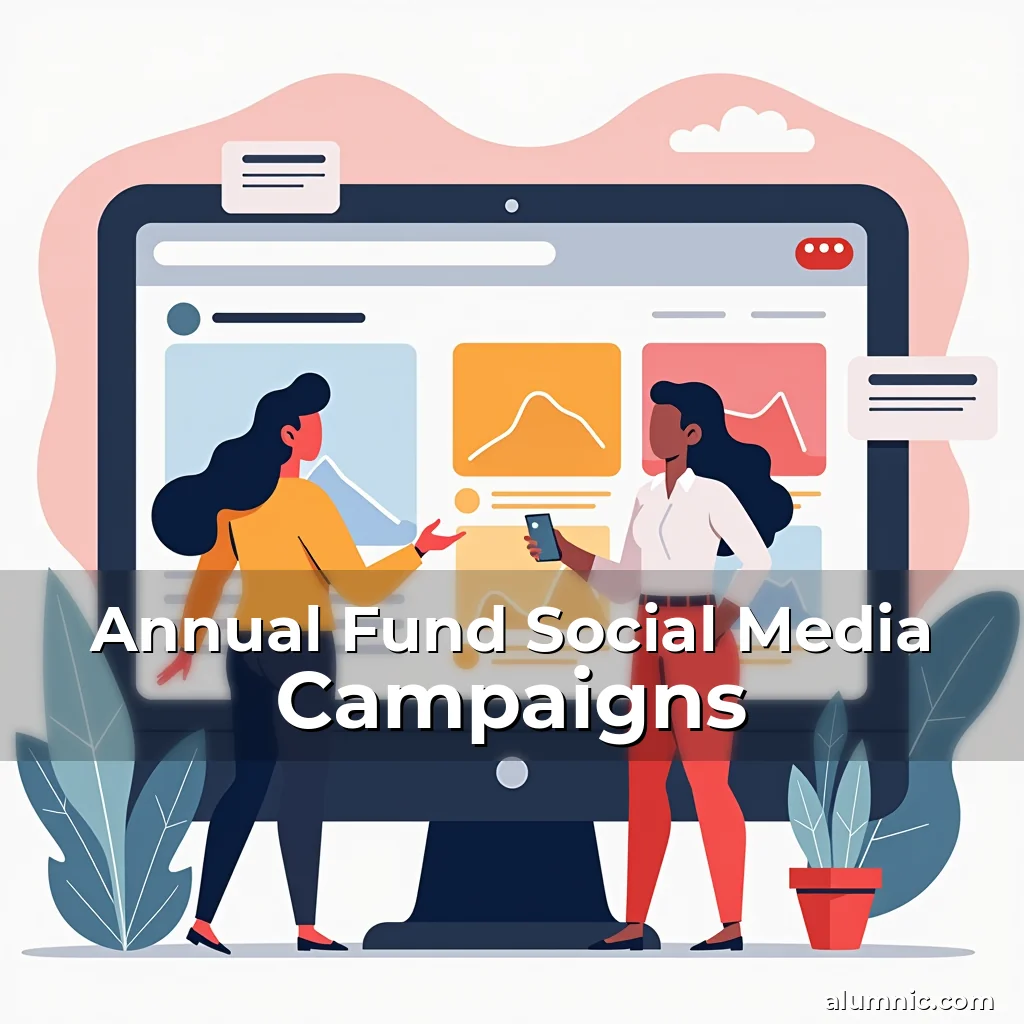
Integration with social media platforms allows for seamless crowdfunding and viral marketing. Hashtags, influencer collaborations, and gamified challenges incentivize participation while turning fundraising into a community-wide movement. Augmented reality features might soon let donors “see” the impact of their gifts virtually, such as walking through a simulated renovated library or meeting a scholarship recipient in a holographic setting.
Artificial intelligence chatbots are revolutionizing donor relations by offering instant answers, guiding users through contribution steps, and analyzing sentiment to refine messaging. These tools free up human staff to focus on cultivating deeper, more meaningful connections that machines cannot replicate.
- AI-Driven Insights: Leverage big data to anticipate donor behavior and tailor communications accordingly.
- Immersive Technologies: Utilize AR/VR to showcase project impacts in ways traditional mediums cannot achieve.
- Decentralized Systems: Explore blockchain-based solutions for secure, transparent, and efficient donation processing.
Conclusion
The annual fund represents a unique opportunity for alumni to actively shape the trajectory of their institutions. From bolstering academic resources to strengthening career pathways, your contributions fuel transformative change that reverberates across generations. Every dollar donated builds bridges between present aspirations and future possibilities.
By engaging consistently—with thoughtfulness, strategy, and passion—you become more than a donor; you emerge as a catalyst for progress. Join thousands of alumni worldwide in driving innovation, equity, and excellence. Together, we can ensure our institutions remain vibrant engines of discovery, leadership, and global citizenship for decades to come.

news is a contributor at Alumnic.com. We are committed to providing well-researched, accurate, and valuable content to our readers.