
The Annual Fund: A Cornerstone of Alumni Engagement and Institutional Growth
In an era where education is increasingly shaped by financial realities, the annual fund stands as a vital lifeline for universities and colleges. This recurring donation initiative not only sustains core operations but also fuels innovation across academic programs, research initiatives, and student support services.
For alumni, contributing to the annual fund represents more than mere philanthropy—it’s an investment in the future of their alma mater and its enduring legacy. These contributions enable institutions to maintain high-quality educational experiences while adapting to evolving challenges in higher education.
The Evolution of Annual Fund Campaigns
Annual fund campaigns have undergone significant transformation over decades, shifting from traditional letter-writing drives to dynamic digital platforms. Modern fundraising efforts now leverage data analytics, personalized outreach strategies, and real-time engagement tools to maximize participation rates among alumni worldwide.
Early fundraising models relied heavily on face-to-face solicitations and printed materials, which limited reach and efficiency. Today’s technology-driven approaches allow institutions to connect with graduates through mobile apps, social media integrations, and interactive online portals tailored to individual giving preferences.
This evolution reflects broader changes in how organizations engage constituents in the digital age. Institutions are now able to track donor behavior patterns, segment audiences based on engagement levels, and deploy targeted messaging at optimal times for maximum impact.
The shift has created new opportunities for meaningful interactions between alumni and their former schools. Virtual events, live-streamed celebrations, and AI-powered matching gift programs exemplify innovative ways institutions are redefining donor relationships in the modern landscape.
- Data-Driven Personalization: Advanced algorithms analyze donor histories to create customized communication paths, increasing response rates significantly compared to generic outreach methods.
- Multichannel Accessibility: Integration with email, SMS, web portals, and mobile applications ensures donors can contribute anytime, anywhere using their preferred platform.
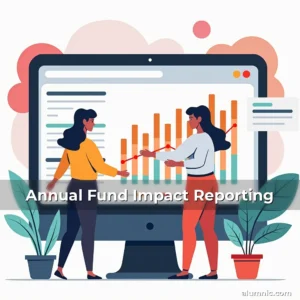
- Real-Time Impact Visualization: Interactive dashboards show immediate effects of donations, helping donors see exactly how their contributions translate into tangible outcomes for students and faculty alike.
The Strategic Importance of Annual Funds
Annual funds serve as essential operational resources that fill critical gaps when endowments experience market fluctuations or unexpected expenses arise. Unlike endowed gifts, these annual contributions provide consistent revenue streams necessary for day-to-day functioning.
These funds directly support scholarships, academic enrichment programs, and campus infrastructure projects. They act as financial buffers during economic downturns, ensuring continuity in educational quality despite external uncertainties.
Moreover, annual giving plays a crucial role in maintaining institutional agility. With predictable funding sources, universities can quickly respond to emerging needs without relying solely on unpredictable grant revenues or capital campaign proceeds.
Alumni Engagement Through Annual Fund Participation
Participation in annual fund campaigns strengthens alumni connections with their母校 in profound ways. Donors often report increased feelings of belonging and community involvement after making regular contributions.
Many institutions use annual fund participation as a key metric for gauging alumni engagement levels. Higher contribution rates frequently correlate with greater attendance at university events and stronger network participation among graduates.
Bridging Generational Gaps
A recent survey revealed that nearly 68% of alumni who donated within the past three years felt closer to current students than those who had not contributed recently. This connection fosters intergenerational bonds that benefit both graduating classes and returning alumni.
By supporting scholarship programs specifically designed for first-generation students, alumni help create pathways for future generations who might otherwise lack access to higher education opportunities. These contributions build lasting legacies that extend far beyond individual careers.
Maximizing Your Impact Through Annual Giving
Understanding different giving tiers allows alumni to strategically allocate their contributions for maximum effect. Many institutions offer various designation options ranging from general support to program-specific allocations.
Designating gifts toward particular departments or initiatives enables donors to directly influence areas they care most about—whether it be STEM education, arts programming, or athletic facilities enhancement.
Sometimes, matching gift opportunities amplify the value of personal contributions. Employers often participate in corporate matching programs, effectively doubling the impact of individual donations.
Donors should explore available matching gift possibilities before finalizing contributions. Checking with human resources departments or visiting employer websites typically reveals potential opportunities for enhanced giving power.
Stories of Success Through Annual Contributions
At Westbridge University, sustained annual fund support enabled the creation of the Digital Innovation Lab—a state-of-the-art facility now used by hundreds of engineering students annually. This resource has produced several award-winning senior design projects recognized nationally.
The lab’s success demonstrates how consistent annual contributions can lead to transformative developments within academic environments. Ongoing support allowed the institution to purchase cutting-edge equipment and hire specialized instructors who mentor students in emerging technologies.
Similarly, Eastview College leveraged annual fund generosity to establish a mental health counseling center. The facility provides free weekly sessions to students experiencing anxiety, depression, or other emotional distress, significantly improving overall well-being metrics across campus.
Such examples illustrate the direct relationship between annual giving and institutional improvements that enhance student life and academic achievements simultaneously.
Fostering Long-Term Philanthropic Habits
Cultivating lifelong giving habits begins with early exposure to charitable opportunities. Universities that consistently communicate the importance of annual giving tend to develop more loyal donor bases over time.
Educating alumni about the cumulative impact of even small annual contributions helps them understand how every dollar contributes meaningfully towards shared goals. Regular updates showing progress against specific objectives reinforce positive associations with giving activities.
Personalized stewardship—including thank-you notes, recognition plaques, and invitations to exclusive events—further encourages continued support from grateful donors invested in their alma mater’s success.
The Future of Annual Fundraising in Higher Education
Rapid technological advancements continue reshaping the landscape of higher education fundraising. Emerging trends suggest a growing emphasis on gamification elements, peer-to-peer fundraising models, and blockchain-based transparency solutions.
Some institutions are experimenting with virtual reality experiences that let donors “walk through” buildings being funded or witness firsthand the benefits of their contributions in immersive formats. These innovations aim to deepen emotional connections between supporters and their chosen causes.
As sustainability becomes an increasingly prominent concern, many universities are aligning annual fund priorities with environmental stewardship initiatives. Green energy projects, recycling programs, and climate change research receive heightened attention in contemporary fundraising campaigns.
The integration of artificial intelligence promises further refinements in donor segmentation and predictive modeling capabilities. By analyzing vast datasets, AI systems can identify optimal giving windows for individuals based on historical behavioral patterns.
Conclusion
The annual fund remains an indispensable component of any successful university’s financial strategy. Its flexibility and immediacy make it uniquely positioned to address pressing needs while fostering long-term growth and stability.
Through strategic participation in annual giving initiatives, alumni play pivotal roles in shaping the future of their alma maters. Continued support ensures that institutions remain resilient, adaptable, and capable of delivering exceptional educational experiences to generations of students yet to come.

news is a contributor at Alumnic.com. We are committed to providing well-researched, accurate, and valuable content to our readers.