The Alumni Network: A Gateway to Lifelong Opportunities and Professional Growth
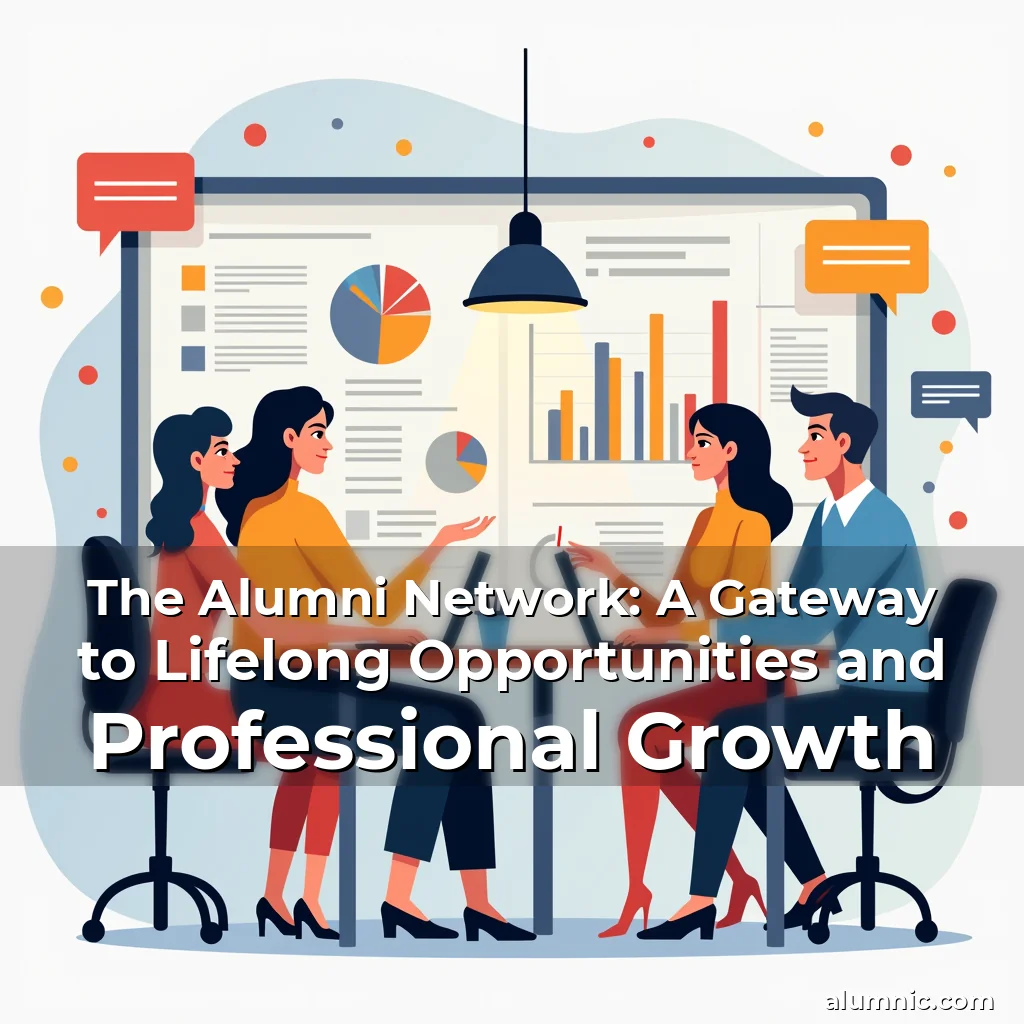
In an ever-evolving professional landscape, the value of a robust alumni network cannot be overstated. For graduates from universities, colleges, and vocational institutions, these networks serve as bridges between academic life and real-world success.
Alumni networks are not merely directories of former students; they are dynamic ecosystems that foster mentorship, collaboration, and innovation across industries. They provide access to exclusive resources, job openings, and events tailored to support lifelong learning and career advancement.
Understanding the Power of Alumni Networks
An alumni network is essentially a community formed by individuals who have completed their studies at a particular institution. These communities often span decades, connecting people from diverse backgrounds and professions under a shared educational foundation.
This interconnectedness creates opportunities for knowledge exchange, where seasoned professionals can guide newcomers while also benefiting from fresh perspectives brought by younger members of the network.
Key components of successful alumni networks include:
- Mentorship programs: Structured initiatives pairing experienced alumni with recent graduates to facilitate skill-sharing and career guidance.
- Career services: Exclusive job boards, resume workshops, interview preparation sessions, and networking events focused on employment readiness.
- Continuing education: Access to online courses, webinars, certifications, and professional development modules relevant to evolving industry standards.
- Community engagement: Local chapters, virtual meetups, conferences, and volunteer opportunities that strengthen bonds within the alumni population.
- Entrepreneurial support: Incubators, pitch competitions, funding opportunities, and collaborative platforms designed to nurture startup ventures among alumni entrepreneurs.
These elements collectively contribute to building a resilient ecosystem that supports both personal growth and organizational goals over time.
Maximizing Your Alumni Network Membership
Becoming active in your alma mater’s alumni association requires intentional effort but yields substantial rewards when done effectively. Engagement begins with understanding how your organization structures its alumni outreach efforts.
Most institutions offer tiered membership levels ranging from basic participation to premium packages featuring personalized services such as executive coaching or leadership training sessions led by top executives.
To maximize benefits, consider attending regional gatherings hosted by local alumni chapters rather than relying solely on digital communication channels which may lack depth compared to face-to-face interactions.
Taking Advantage of Career Resources
Many reputable alumni associations maintain dedicated career centers offering specialized assistance beyond what traditional job portals provide. These centers frequently feature employer partnerships exclusive to alumni members.
Data shows that alumni who actively use their network’s career resources are significantly more likely to secure positions aligned with their desired fields within six months post-graduation compared to those who remain passive participants.
Such resources might include:
- Customized job search strategies tailored to individual profiles and aspirations
- Premium LinkedIn profile optimization services
- Personalized salary negotiation techniques based on market trends
- Access to insider information regarding company culture during pre-interview research phases
By leveraging these tools strategically, you position yourself competitively against non-alumni candidates vying for similar roles.
Fostering Meaningful Connections Within Your Alumni Community
Building genuine relationships within your alumni circle goes far beyond superficial introductions—it involves cultivating mutual trust through consistent interaction and shared experiences.
Start by identifying common ground—whether it relates to current projects, past coursework, or even hobbies—that could form the basis for meaningful conversations at future meetings or virtual hangouts.
Some effective ways to initiate connections include:
- Sending thoughtful follow-ups after meeting someone new, referencing specific points discussed during previous encounters
- Sharing articles or insights related to each person’s field of expertise whenever possible
- Offering help without expecting anything in return, thereby establishing credibility and goodwill
Remember that relationship-building takes time; consistency matters more than frequency when nurturing long-term friendships or professional alliances within the alumni sphere.
Leveraging Alumni Events for Networking Success
Attending alumni events presents unparalleled opportunities for expanding your professional horizons while reinforcing existing ties within your educational cohort.
From formal business luncheons to casual mixers held annually around campus reunions, there exists a wide variety of formats catering to different social preferences and comfort levels.
Before attending any event, conduct thorough research about attendees’ backgrounds so you can prepare targeted conversation starters that demonstrate genuine interest in others’ work.
Engage proactively yet respectfully—ask open-ended questions instead of making assumptions about people’s careers or ambitions unless explicitly invited to share yours first.
Utilizing Digital Tools for Enhanced Alumni Engagement
In today’s hyperconnected world, technology plays a crucial role in maintaining strong ties across geographical distances separating modern-day alumni populations.
Digital platforms specifically designed for alumni engagement enable seamless communication regardless of location or schedule constraints typically associated with physical attendance requirements.
Features commonly found on such platforms include:
- Virtual roundtable discussions featuring thought leaders from various sectors
- Interactive Q&A sessions allowing real-time feedback mechanisms between speakers and listeners alike
- Online portfolios showcasing achievements accomplished since graduation
- Secure messaging systems facilitating private correspondence between users seeking advice or partnership possibilities
Regularly updating your digital presence ensures visibility when potential mentors, employers, or collaborators search for qualified individuals matching their needs precisely.
Supporting Institutional Goals Through Active Participation
Your involvement doesn’t always need to center exclusively around self-interest—you can make significant contributions toward advancing institutional objectives simultaneously benefitting yourself professionally.
Participating in fundraising campaigns, serving on advisory panels, or mentoring incoming students all count towards strengthening the overall fabric linking generations together harmoniously.
When contributing meaningfully, ensure clarity regarding expectations versus actual capabilities before committing fully to avoid burnout later down the line due to mismatched commitments.
Navigating Challenges in Modern Alumni Relationships
While most alumni interactions proceed smoothly, occasional challenges may arise requiring tactful resolution skills honed over years spent navigating complex interpersonal dynamics.
Differences arising from generational gaps, cultural variances, or shifting workplace norms occasionally create friction points necessitating careful navigation approaches grounded in empathy and respectfulness.
Common issues encountered include:
- Communication style differences affecting interpretation accuracy during dialogues
- Evolving definitions surrounding professionalism depending upon context-specific circumstances
- Varying degrees of technological proficiency impacting ease-of-use across platform interfaces
- Conflicting priorities influencing availability timelines for scheduled engagements
Addressing these concerns constructively helps preserve positive rapport essential for sustained collaboration moving forward irrespective of external factors involved.
Embracing Continuous Learning Through Alumni Programs
Education does not end once diplomas are awarded—many institutions recognize this truth by continuously providing updated curricula reflecting contemporary global realities faced daily by working professionals worldwide.
Whether through microlearning modules addressing emerging technologies or certification tracks validating mastery over niche areas requiring ongoing competence verification processes, numerous pathways exist ensuring perpetual relevance amidst rapid change cycles characterizing present times.
Consider enrolling in courses that complement your existing qualifications rather than duplicating them unnecessarily—this approach maximizes ROI measured not just financially but also intellectually gained through diversified skill sets acquired along the way.
Creating Lasting Legacies Through Mentorship Roles
As senior members gain experience within their respective domains, assuming mentorship responsibilities becomes increasingly impactful for shaping future trajectories belonging primarily to junior colleagues still finding direction early stages of their journeys.
Awareness about personal limitations regarding available bandwidth must accompany willingness to commit genuinely towards supporting mentees effectively until they achieve independence capable sustaining themselves autonomously thereafter.
Mentoring relationships thrive best when built upon reciprocal appreciation acknowledging efforts made mutually between both parties engaged wholeheartedly without ulterior motives clouding intentions behind every action taken deliberately throughout duration spanning entire period invested jointly pursuing common purpose aligned closely enough warranting continued commitment required maintaining healthy balance beneficial everyone concerned ultimately leading fulfillment achieved personally fulfilling professionally satisfying outcomes desirable reaching milestones previously deemed unattainable absent intervention provided timely appropriately.
Conclusion
The alumni network serves as more than just a contact list—it represents an enduring source of support, inspiration, and opportunity throughout one’s professional journey.
Actively participating in alumni activities not only enhances individual prospects but also strengthens collective identity binding generations together through shared histories rooted deeply within walls once walked during student days now transformed magically into vibrant communities thriving powerfully outside academia confines successfully integrating principles learned formally applied practically creating synergy multiplying impact exponentially surpassing original intentions initially conceived when first stepping onto campus many moons ago.