Unlocking Opportunities Through Regional Chapters in Alumni Networks
In today’s rapidly evolving professional landscape, alumni networks have become vital platforms for career growth, mentorship, and community engagement. Among these, regional chapters play an essential role by creating localized connections that resonate deeply with members’ experiences and aspirations.
These chapters act as hubs where graduates can meet peers, access exclusive events, and tap into resources tailored specifically for their geographic area. This focused approach not only enhances networking efficiency but also fosters lasting relationships rooted in shared geography and common goals.
The Power of Local Connections Within Alumni Communities
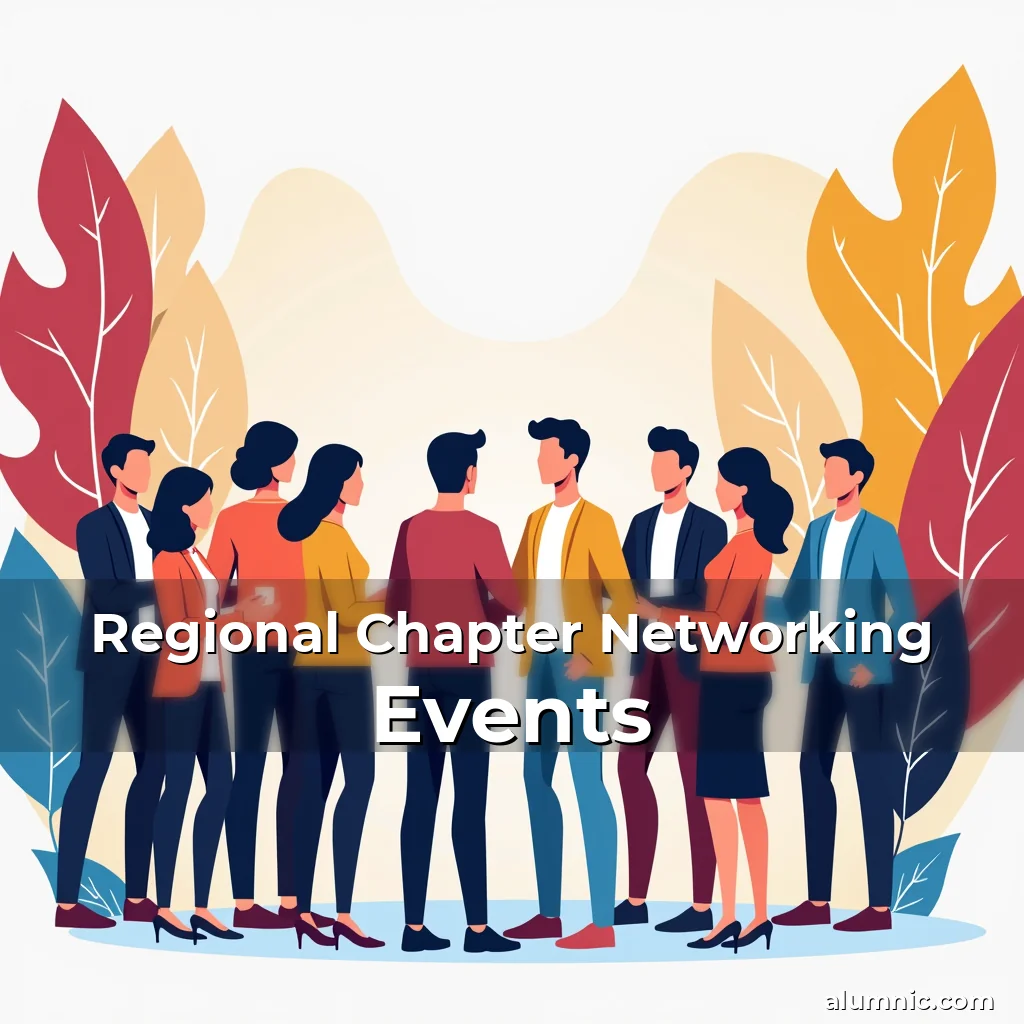
Local alumni groups offer unparalleled opportunities for meaningful interactions that transcend traditional online networking. By bringing together individuals who share similar cultural backgrounds and professional environments, regional chapters cultivate a sense of belonging that is crucial for sustained participation.
Members often find that face-to-face meetings facilitate deeper conversations about industry trends, job market dynamics, and personal development strategies. These informal yet impactful exchanges can lead to mentorship relationships, collaborative projects, and even new business ventures.
For example, many successful startups originate from casual discussions at alumni gatherings rather than formal pitch sessions. The trust built through repeated local interactions significantly increases the likelihood of productive collaborations.
Moreover, regional chapters enable alumni to leverage existing social ties within their communities. When professionals know each other personally before entering professional discussions, negotiations tend to be smoother and more trusting.
This proximity advantage extends beyond immediate networking benefits; it also helps maintain long-term engagement with the broader alumni network through consistent local involvement.
Fostering Professional Development Through Structured Programs
Regional chapters frequently organize structured learning initiatives designed to enhance participants’ skills and knowledge base. From leadership workshops to specialized training seminars, these programs cater directly to the needs identified by local members.
Such targeted educational offerings ensure that attendees receive relevant information applicable to their current career stages and industries. For instance, tech-focused chapters might host coding bootcamps while those centered around healthcare could conduct compliance certification courses.
- Industry-specific skill-building sessions provide practical tools that can be implemented immediately.
- Leadership development tracks help emerging professionals refine management capabilities.
- Career transition support services assist members navigating significant life changes or seeking new paths.
The interactive nature of these events encourages peer-to-peer learning, allowing participants to gain insights from both instructors and fellow attendees alike. This multi-dimensional exchange creates a richer educational experience compared to conventional classroom settings.
Furthermore, many chapters partner with local businesses and academic institutions to deliver high-quality programming. These partnerships guarantee that course content remains up-to-date with current industry standards and practices.
Enhancing Career Prospects via Exclusive Job Fairs and Hiring Partnerships
One of the most tangible advantages of participating in regional alumni chapters is access to exclusive employment opportunities. Many organizations actively seek candidates through established alumni networks due to the proven track record of success among past graduates.
Job fairs organized by regional chapters create direct channels between employers and potential hires. Unlike general recruitment drives, these events feature companies familiar with the network’s quality and are more likely to extend interview invitations promptly.
Hiring managers appreciate the vetted pool of applicants provided by alumni associations. They recognize that graduates from reputable programs possess foundational competencies which reduce initial training requirements.
Participants benefit from personalized guidance during these events, including resume reviews, interview preparation sessions, and mock interviews conducted by experienced professionals from various sectors.
Some chapters go further by establishing ongoing hiring partnerships with key employers. These agreements ensure continuous streams of qualified candidates while providing employers with reliable talent acquisition solutions.
Bridging Geographic Gaps Through Digital Integration Strategies
While physical presence strengthens bonds within regional chapters, digital integration ensures inclusivity for remote members and global outreach. Hybrid event formats combine the best aspects of in-person interactions with virtual accessibility features.
Dedicated online portals allow members to engage with chapter activities regardless of location. These platforms typically include calendars, discussion forums, document repositories, and live-streaming options for major events.
Virtual components enable real-time collaboration across different time zones, making it easier for geographically dispersed teams to work together effectively. This flexibility attracts a wider range of participants who may otherwise feel excluded due to logistical constraints.
Social media integration plays a critical role in expanding reach without compromising the intimacy of local connections. Strategic use of platforms like LinkedIn allows chapters to showcase member achievements while maintaining authentic engagement levels.
Maintaining balance between digital and physical interactions requires thoughtful planning. Successful chapters implement clear guidelines ensuring technology serves as an enabler rather than a replacement for human connection.
Creating Lasting Impact Through Volunteer Leadership Roles
Volunteering within regional chapters offers invaluable experiential learning opportunities while contributing meaningfully to the community. Individuals interested in developing leadership skills can explore various roles ranging from event coordination to strategic planning.
Those assuming volunteer positions develop transferable competencies such as project management, communication strategy, and team building – all highly sought after qualities in modern workplaces. These hands-on experiences build confidence and demonstrate initiative to future employers.
Vice presidents oversee overall operations and set direction for annual objectives. Event coordinators manage logistics for conferences and social gatherings. Communications leads handle branding efforts and external outreach campaigns.
Promoting diversity and inclusion through volunteer leadership fosters well-rounded perspectives among decision-makers. This representation ensures that initiatives reflect varied viewpoints and address genuine community needs.
Many former volunteers credit their chapter experiences with shaping early career trajectories. The relationships formed during service periods often evolve into lifelong professional connections.
Nurturing Mentorship Relationships That Extend Beyond Graduation
Established alumni networks provide fertile ground for enduring mentorship relationships that continue long after formal education concludes. Regional chapters facilitate these connections through structured matching systems based on mutual interests and professional goals.
Mentees gain exposure to diverse career pathways through regular check-ins with seasoned mentors. Conversely, mentors derive satisfaction from guiding others while staying updated on contemporary issues affecting younger professionals.
Successful mentoring pairs often emerge from natural friendships cultivated through frequent chapter attendance. Shared experiences at campus events or professional milestones reinforce the foundation for continued support outside official program frameworks.
To maximize effectiveness, chapters establish clear expectations regarding commitment levels, communication styles, and outcome measurements. This structure prevents mismatched pairings and ensures both parties invest appropriately in the relationship.
Ongoing evaluation mechanisms help identify areas needing improvement while recognizing exemplary mentoring practices worth replicating elsewhere.
Leveraging Regional Influence for Global Alumni Engagement
Strongly connected regional chapters serve as microcosms influencing larger alumni ecosystems worldwide. Their successes inspire replication models adapted to suit different geographical contexts while reinforcing core values inherent to the organization.
When individual chapters achieve notable accomplishments, they elevate the entire network’s reputation. Positive outcomes observed locally translate into increased visibility and credibility globally when shared through centralized communications channels.
Cross-regional collaboration becomes possible through standardized operating procedures developed initially at the local level. Best practices refined within one chapter can be modified and applied successfully in another region facing similar challenges.
Global outreach initiatives often originate from grassroots movements sparked by passionate regional leaders. Their innovative approaches frequently become integral parts of international strategy documents.
This bottom-up influence model demonstrates how effective local execution contributes substantially to organizational excellence at every level of operation.
Ensuring Sustained Participation Through Engaging Programming
Maintaining active membership requires continuously refreshed programming that aligns with changing participant needs over time. Regular surveys and feedback loops help identify emerging priorities warranting attention.
Dynamic content creation ensures relevance across different demographics within the same chapter. What resonates with recent graduates may differ significantly from what mid-career professionals seek.
Seasonal themes provide structure while allowing flexibility. Annual celebrations, holiday events, and special interest weeks create anticipation without overwhelming schedules.
Interactive elements like trivia nights, themed dinners, and challenge-based competitions add variety keeping engagement rates consistently high. These activities foster camaraderie while subtly promoting skill development.
Member-generated content initiatives empower participants to shape agendas according to collective preferences. Crowdsourcing ideas generates creative suggestions that might never surface through top-down planning alone.
Measuring Success Through Comprehensive Evaluation Frameworks
Evaluating chapter performance necessitates multifaceted metrics encompassing quantitative data alongside qualitative assessments. Tracking participation numbers provides baseline indicators while anecdotal evidence reveals deeper impacts.
Surveys measuring satisfaction levels offer insight into perceived value derived from various offerings. Open-ended responses highlight unmet needs suggesting directions for future improvements.
Attendance records paired with post-event evaluations create a holistic view of program efficacy. Analyzing recurring patterns enables predictive modeling of upcoming trends.
Comparative analyses against national benchmarks help identify strengths and weaknesses relative to peer groups. Benchmarking facilitates targeted interventions aimed at closing performance gaps.
Data visualization techniques transform raw figures into compelling narratives demonstrating progress over time. Clear presentations aid in securing additional resources required for expansion efforts.
Conclusion
Regional chapters represent powerful vehicles for advancing careers, cultivating leadership abilities, and fostering enduring professional relationships within alumni networks. Their localized approach maximizes impact through culturally attuned engagements that resonate deeply with members.
By strategically leveraging both digital and physical interaction modalities, these chapters remain adaptable to shifting circumstances while preserving the essence of community-driven development. Continued investment in robust programming ensures sustained relevance amidst evolving workforce demands.