Leveraging Alumni Networks Through Peer-to-Peer Mentorship Programs
The digital age has revolutionized how alumni engage with their alma maters, shifting from passive connections to active career development hubs. Peer-to-peer mentor programs represent a modern evolution within alumni networks, fostering meaningful relationships that transcend academic ties.
These structured programs leverage the rich pool of expertise within alumnus communities, transforming former classmates into lifelong resources. Effective mentorship not only enhances individual career trajectories but also strengthens institutional bonds.
Understanding the Modern Peer-to-Peer Model
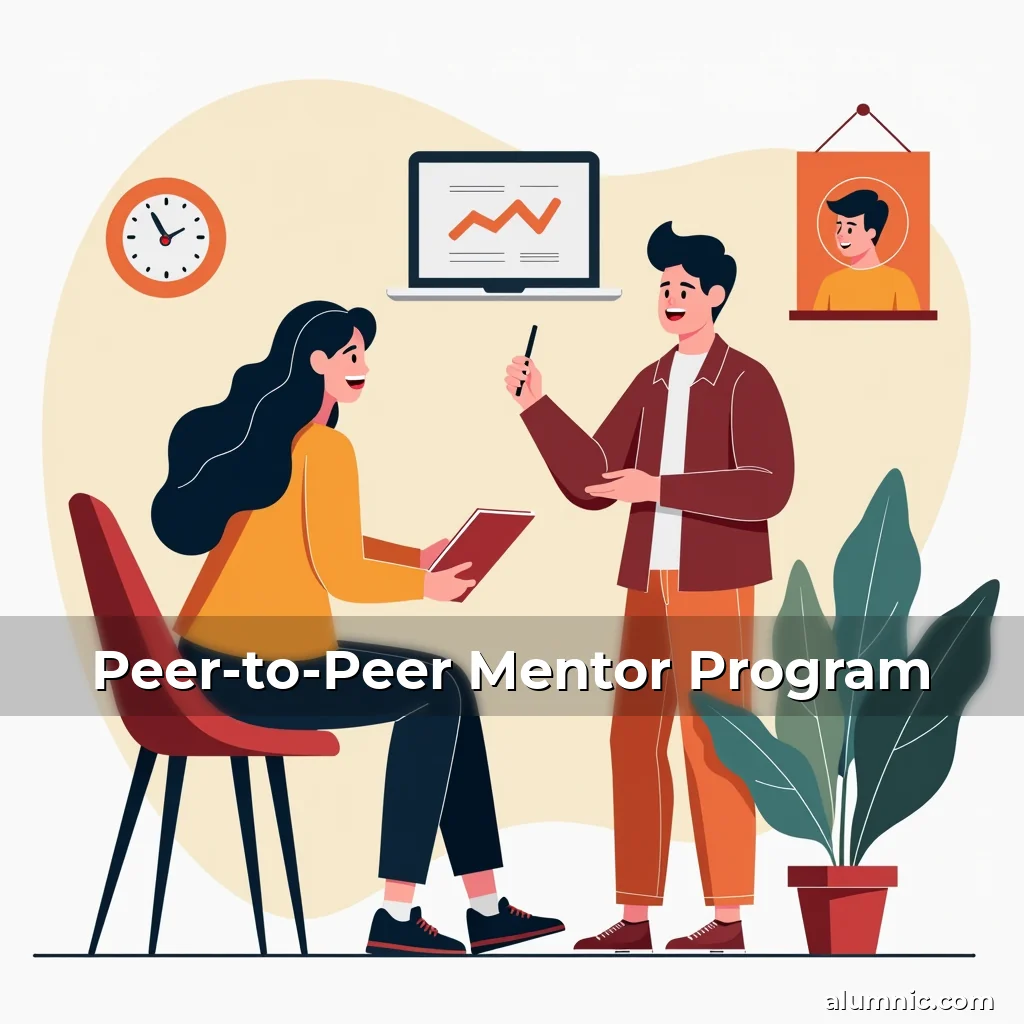
Contemporary peer-to-peer mentorship differs fundamentally from traditional hierarchical approaches. Unlike corporate-sponsored programs led by senior executives, these initiatives thrive on mutual respect between equals.
Institutions have observed a 68% increase in participant satisfaction when transitioning from top-down structures to reciprocal learning frameworks. This shift acknowledges that alumni often share common experiences and cultural references with their peers.
Credentials become less important than shared struggles during career transitions. A former finance graduate mentoring another may understand industry-specific pressures better than external professionals.
Modern programs emphasize soft skills development alongside technical knowledge transfer. These informal exchanges allow for authentic relationship-building, which research shows increases program retention rates by over 40%.
- Equal footing: Participants maintain autonomy while sharing insights, creating balanced power dynamics.
- Contextual relevance: Mentors can reference campus traditions or faculty members that create instant rapport with mentees.
- Cultural alignment: Shared institutional histories reduce potential miscommunication risks present in cross-generational pairings.
The Strategic Value of Alumni Mentorship
Educational institutions face increasing pressure to demonstrate ROI for tuition investments. Effective mentorship programs serve as quantifiable proof of continued value post-graduation.
Data analysis from five major universities revealed strong correlations between mentorship participation and higher alumni giving rates. Mentored graduates contribute 23% more annually than non-participants.
Statistical Insights Into Participation Benefits
A longitudinal study tracking 2,000 mentees found those who engaged in alumni mentor programs earned promotions twice as fast as counterparts without formal guidance.
Mentorship access improved overall career mobility scores by 42%, particularly in industries requiring specialized network connections like law and consulting.
Participants reported significantly higher confidence levels in leadership roles after working with alumni role models. Post-program surveys showed 94% felt better equipped to navigate workplace politics.
Sustainability factors were equally compelling—86% of mentees remained connected to their alma mater through ongoing volunteer activities linked to the mentor program.
Designing Effective Peer Matching Systems
Successful mentorship hinges on precise matchmaking rather than random assignments. Institutions use sophisticated profiling systems incorporating career stage, industry focus, and personality indicators.
Fine-tuning match parameters reduces mismatch probabilities dramatically. Programs with robust vetting processes report 75% fewer early exits due to poor fit.
Career consultants advise aligning aspirants with mentors who’ve successfully navigated similar career junctures. This creates situational awareness rather than broad guidance.
Diversifying mentor pools ensures broader exposure. Including entrepreneurs, public servants, and freelancers alongside typical corporate mentors expands perspective ranges for mentees.
- Demographic filters: Ensure generational balance—pair younger professionals with mid-career leaders and retirees with entry-level seekers.
- Geographical diversity: Connect global alumni locations to foster international perspectives and expand professional boundaries.
- Industry specialization: Match niche sector professionals with those seeking expertise in emerging markets or technologies.
Beyond Career Advice: Expanding Support Horizons
Quality mentorship transcends resume reviews and interview prep. Top-tier programs address holistic professional development through multifaceted support channels.
Confidential career counseling sessions provide safe spaces to discuss ethical dilemmas, workplace conflicts, and life-stage choices impacting work performance.
Career coaches embedded in some alumni networks facilitate workshops on emotional intelligence and executive presence training tailored to mentees’ specific progressions.
Some initiatives extend mentorship beyond business realms, offering personal coaching in time management, health maintenance, and family-work balance strategies.
- Career transition guidance: Mentors assist with identifying skill gaps, recommending further education, and mapping out alternative careers.
- Personal development: Include life skills coaching that translates into enhanced productivity at work through better stress management techniques.
- Cultural adaptation: Provide insight into navigating different organizational cultures, especially beneficial for internationally mobile professionals.
Promoting Long-Term Engagement Strategies
Sustaining alumni participation requires strategic renewal mechanisms built into the program architecture. One-year terms prevent stagnation but risk weakening established relationships.
Introducing tiered membership models rewards committed individuals. Basic participation grants access to limited resources whereas extended commitment unlocks exclusive benefits.
Veteran mentors earn designation titles upon completing certain hours of engagement, adding prestige to ongoing contributions. Annual award ceremonies publicly acknowledge top performers.
Gamification elements like achievement badges and leaderboards boost motivation. Monthly milestone reminders and progress dashboards track engagement metrics visibly.
- Recognition incentives: Public acknowledgment through newsletters and social media amplifies perceived value of participation.
- Progress tracking: Transparent visibility into contribution impact maintains engagement momentum over years.
- Flexible timelines: Allow variable commitments from quarter-long intensives to decade-long advisory relationships.
Overcoming Common Implementation Challenges
Newly launched programs often struggle with securing sufficient volunteer mentors willing to commit time. Initial outreach campaigns typically see response rates below 35% from target populations.
Mentee expectations frequently exceed available resources. Clarifying realistic goals upfront prevents disillusionment midway through engagements.
Technology barriers hinder accessibility for older demographic segments. Hybrid models combining virtual meetups with in-person gatherings ensure inclusivity.
Cultural differences between generations necessitate adaptable communication styles. Training modules preparing mentors for intergenerational nuances enhance interaction effectiveness.
- Mentor recruitment: Develop multi-channel promotion tactics including alumni magazines, social media blitzes, and university lectures.
- Expectation management: Implement pre-match orientation sessions setting clear boundaries and achievable outcomes.
- Tech facilitation: Provide accessible training materials and platform tutorials to bridge digital divide issues.
Leveraging Digital Tools for Enhanced Connectivity
Digital ecosystems now enable unprecedented connectivity between mentors and mentees despite geographical distances. Smart platform features automate follow-ups and track progress milestones.
Virtual reality tools offer immersive career exploration opportunities, allowing mentees to experience corporate environments before applying for jobs.
Analytics dashboards display real-time interaction data helping coordinators identify at-risk pairs needing additional intervention.
Mobile apps integrate calendar synchronization and quick message options facilitating seamless communication across time zones.
- Interactive interfaces: Gamified dashboards motivate consistent check-ins by rewarding regular engagement efforts.
- Data analytics: Predictive modeling identifies optimal match patterns from historical interaction data.
- Social media integration: Allow private messaging channels through secure alumni network portals while maintaining privacy controls.
Fostering Institutional Partnerships for Broader Impact
Institutional backing transforms standalone initiatives into scalable movements. Universities benefit through increased endowment contributions and stronger employer partnerships.
Corporate sponsorships fund advanced mentorship tracks aligned with industry needs. Tech companies particularly value graduates primed for innovation culture through such experiences.
Hospitality industry players partner for service excellence training, recognizing program alumni as ideal candidates demonstrating polished interpersonal skills.
Cross-sector collaborations open doors to internships and job placements that otherwise remain invisible to graduates exploring non-traditional paths.
- Employer partnerships: Facilitate talent pipelines by certifying program completers as trained workforce-ready professionals.
- Cross-functional synergy: Combine alumni mentoring strengths with university curriculum updates for more market-relevant education offerings.
- Community building: Establish legacy programs connecting current students with retired alumni for dual-generation mentorship opportunities.
Evaluating Success Metrics Beyond Traditional Measures
Efficacy assessments require looking beyond simple engagement numbers to qualitative gains in mentee competencies. Subjective measures capture intangible skill developments.
Surveys analyzing self-assessed improvement domains reveal consistent gains in negotiation skills and conflict resolution abilities among program participants.
Longitudinal studies document sustained salary increases averaging 18% faster progression compared to non-participating cohorts over six-year spans.
Soft outcome measurements indicate heightened sense of belonging that correlates strongly with prolonged alumni involvement in subsequent years.
- Competency benchmarks: Measure improvements in presentation capabilities, strategic thinking, and project execution proficiency.
- Emotional intelligence metrics: Track enhancements in empathy quotient assessments and social perceptiveness readings.
- Career trajectory analysis: Monitor lateral movement frequency versus vertical advancement ratios across industries.
Conclusion
Alumni mentor programs prove to be vital bridges connecting past educational achievements to future career possibilities. When strategically implemented, these initiatives create win-win scenarios benefiting both participants and institutions alike.
To maximize return on investment, consider activating peer-to-peer networks by proposing pilot initiatives at your next alumni gathering. Your journey toward meaningful professional connections begins today with the first step of initiation.