Mastering Networking Mixers: Unlocking Opportunities in Your Alumni Network
In today’s fast-paced professional world, networking remains one of the most powerful tools for career advancement. For young alumni navigating the transition from academic life to full-time employment, attending networking mixers can open doors that traditional job boards often fail to unlock.
The right connections at these events can lead to mentorship opportunities, collaborative projects, and even unexpected career paths. As you build your network through alumni associations, remember that each interaction is an investment in your future professional growth.
Understanding the Value of Networking Mixers
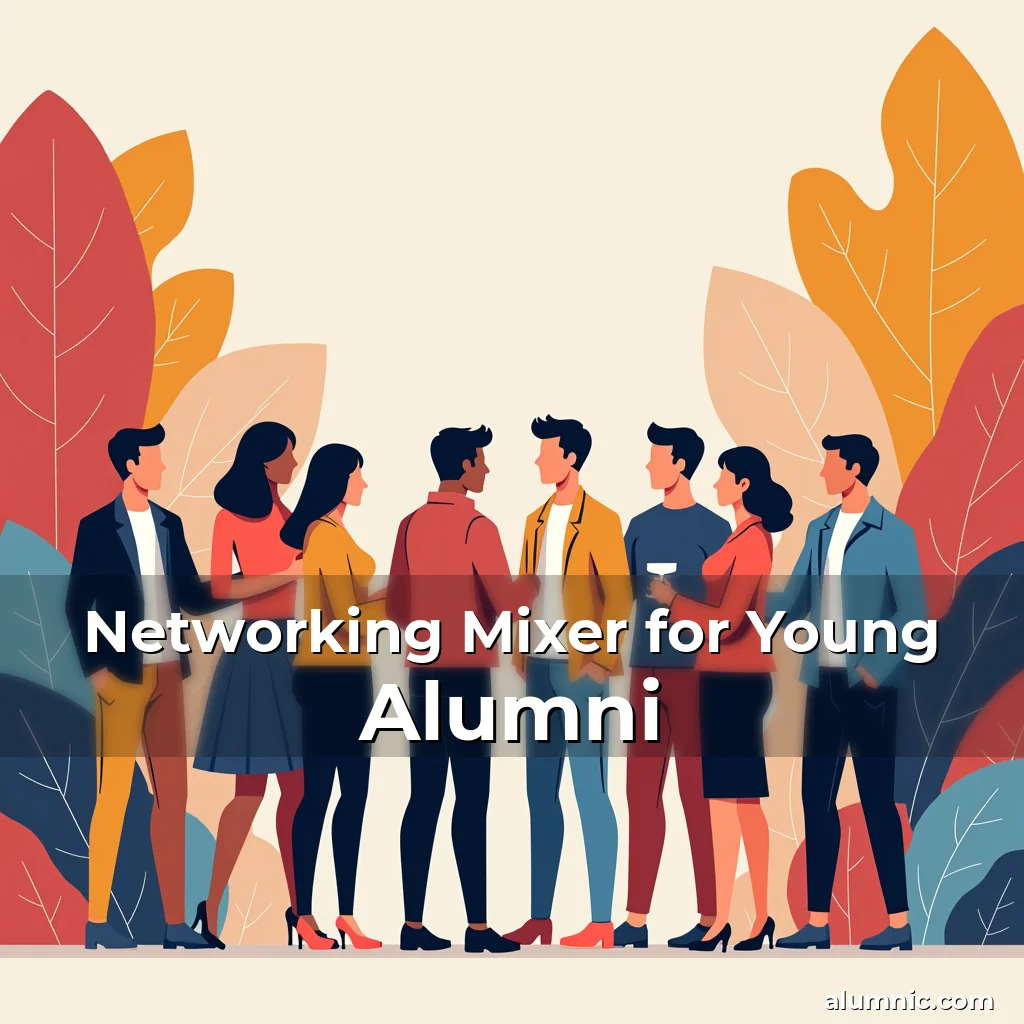
Modern-day networking mixers have evolved beyond simple cocktail parties. These dynamic events now serve as vital platforms where professionals connect across industries while maintaining the warm camaraderie of shared academic backgrounds.
For recent graduates, these gatherings provide unparalleled access to established professionals who understand the challenges of transitioning into the workforce. Unlike conventional job fairs, networking mixers create environments conducive to meaningful conversations rather than transactional interactions.
Statistics reveal that individuals who actively participate in networking events are significantly more likely to find their next opportunity within six months compared to those relying solely on online applications.
A study by LinkedIn found that over 85% of jobs are filled through personal connections rather than formal postings. This makes networking mixers particularly valuable for alumni seeking opportunities outside traditional recruitment channels.
These events also offer unique advantages such as:
- Mentorship potential: Established professionals may take interest in guiding younger members of the network
- Career exploration: Exposure to diverse fields not typically covered in classroom settings
- Industry trends: Direct insight into current market demands and innovations
- Recruitment pipelines: Many companies use these events as informal talent scouting grounds
Preparing for Effective Participation
Successful engagement at any networking mixer begins long before arrival. Strategic preparation ensures you make the most of every conversation without appearing unprepared or disinterested.
Create a clear value proposition before attending. Identify what skills you bring to the table and how they align with industry needs. Prepare concise responses to common questions about your background and career goals.
Research attendees in advance when possible. Check event listings for speaker bios or participant profiles. Knowing key players in your field allows you to approach them with targeted questions during the event.
Familiarize yourself with the event format. Some mixers follow structured networking sessions while others encourage free-flowing conversations. Understanding the dynamics helps you navigate social interactions confidently.
Prepare a few thoughtful questions related to your interests. Asking insightful queries shows genuine curiosity and positions you as an engaged participant rather than someone merely collecting contacts.
Maximizing Interaction During Events
During the mixer, maintain active listening skills. Pay close attention to what others say about their experiences and aspirations. This demonstrates respect and creates natural openings for deeper dialogue.
Vary your conversation topics based on individual interests. While some attendees may prefer discussing work-related matters, others might enjoy exploring non-professional passions or hobbies.
Be mindful of body language cues. Open postures signal receptiveness while closed gestures may indicate discomfort. Mirroring positive body language builds rapport naturally.
When exchanging contact information, always ask for permission first. A simple request like, “Would you mind sharing your email?” shows courtesy and avoids assuming unwanted familiarity.
Follow up promptly after meeting new contacts. Send personalized messages referencing your conversation to reinforce connections made at the event.
Beyond the Event: Building Lasting Relationships
Relationship building doesn’t end when the mixer concludes. Consistent engagement keeps connections alive and fosters mutual benefit over time.
Schedule regular check-ins with interesting contacts. Whether through brief emails or periodic coffee meetings, maintaining presence strengthens relationships organically.
Share relevant articles or resources that could help your contacts. Offering value without expecting immediate returns establishes credibility and goodwill.
Participate in other alumni activities together. Joining workshops or volunteering initiatives provides additional contexts for relationship development.
Stay informed about changes in your contacts’ careers. Demonstrating continued interest reinforces your commitment to the relationship.
Navigating Common Challenges
Newcomers to networking events often face several hurdles that can deter effective participation. Recognizing these obstacles early allows proactive strategies to overcome them.
One frequent challenge is managing self-consciousness around approaching strangers. Remember that everyone at the event faces similar anxieties, making it easier to initiate conversations with empathy.
Language barriers sometimes arise when connecting with international alumni. Prepare basic greetings and cultural awareness tips to facilitate smoother interactions.
Time management can become tricky when juggling multiple conversations. Set small objectives for each interaction to ensure quality rather than quantity of engagements.
Dealing with rejection gracefully requires practice. Not every connection will result in meaningful outcomes, but each experience contributes to growing confidence and effectiveness.
Leveraging Digital Tools for Continued Engagement
Modern technology offers numerous ways to sustain professional relationships formed at networking mixers. Utilizing digital platforms strategically enhances connectivity beyond physical events.
LinkedIn serves as a crucial tool for maintaining and expanding your network. Regularly update your profile to reflect current skills and achievements while reaching out to contacts periodically.
Set up calendar reminders for upcoming events and milestones associated with your network contacts. Timely congratulations or well-wishes strengthen bonds and demonstrate attentiveness.
Explore virtual meetups and webinars hosted by alumni organizations. These formats allow convenient engagement without requiring travel or time away from work commitments.
Use mobile apps designed for event networking to track contacts met during mixers. Features like photo recognition and conversation summaries aid recall and follow-up efforts.
Evaluating Your Networking Success
Assessing your progress helps identify areas for improvement and celebrates accomplishments along the way. Establish measurable criteria to evaluate the impact of your networking activities.
Track the number of quality connections made versus superficial encounters. Quality assessments matter more than sheer volume of contacts.
Monitor how many leads translate into actual opportunities like job interviews, collaborations, or mentorships. This quantifies the return on your networking investments.
Analyze which types of interactions yield better results. Adjust your approach accordingly to refine your networking strategy continuously.
Consider soliciting feedback from trusted mentors or peers regarding your networking performance. External perspectives provide fresh insights for enhancement.
Creating Personalized Networking Strategies
While general advice applies broadly, successful networking ultimately depends on tailoring approaches to individual circumstances and goals. Customize your strategies based on your unique situation and aspirations.
Identify sectors and roles that excite you professionally. Focus your energy on building relationships within these target areas rather than spreading too thin across unrelated fields.
Develop distinct elevator pitches that highlight your strengths and aspirations effectively. Practice delivering these succinctly under various scenarios.
Align your networking plans with broader career development goals. Ensure that each interaction moves you closer toward achieving your professional vision.
Seek role models whose careers inspire you. Connect with these individuals intentionally to learn from their journeys and experiences.
Fostering Inclusive Networking Practices
As you engage in networking events, consider how your actions contribute to creating welcoming spaces for all participants. Promoting inclusivity enriches the overall networking environment.
Actively seek out voices from diverse backgrounds and experiences. Their perspectives add depth to conversations and broaden your understanding of different viewpoints.
Challenge assumptions about professional success by recognizing varied pathways people take to reach their goals. Celebrate unconventional routes that still achieve meaningful outcomes.
Support less experienced attendees by offering guidance when appropriate. Mentorship benefits both parties involved and strengthens community ties.
Advocate for accessibility features at events whenever possible. Ensuring equal access promotes fairness and reflects positively on your character and values.
Conclusion
Mastering the art of networking mixers transforms casual encounters into strategic career-building opportunities. By applying intentional strategies and cultivating authentic relationships, you position yourself advantageously within your alumni network.
Remember that consistent effort yields the best results. Approach each mixer with purpose, stay engaged beyond the event, and continually refine your approach to maximize its impact on your professional journey.