The Power of Industry-Specific Mentorship in Alumni Networks
In today’s rapidly evolving professional landscape, alumni networks have become vital hubs for career growth and industry-specific knowledge sharing. Among these resources, mentor programs stand out as powerful tools that connect graduates with experienced professionals who understand both the challenges and opportunities within particular fields.
These specialized mentorships are designed to bridge the gap between academic learning and real-world application, providing tailored guidance that general career services often lack. By focusing on industry-specific expertise, such programs enable alumni to navigate their chosen professions with greater confidence and clarity.
Tailored Guidance for Career Advancement
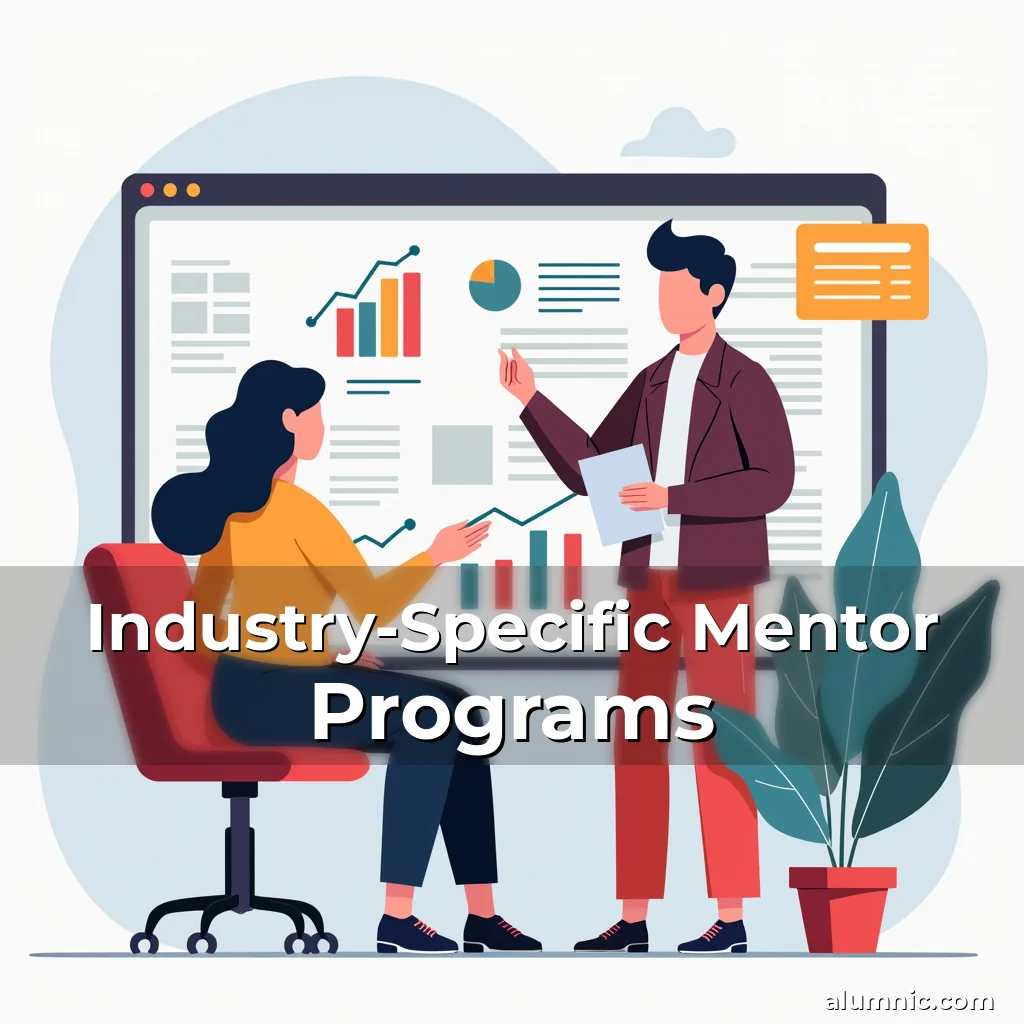
One of the most significant advantages of industry-specific mentor programs is their ability to provide targeted advice. Unlike broad-based mentoring initiatives, these programs match mentees with mentors who possess deep experience in the same field, ensuring that the guidance received is relevant and practical.
Mentors in these programs can offer insider perspectives on emerging trends, company cultures, and skill requirements unique to their industries. This level of specificity helps mentees avoid common pitfalls while accelerating their understanding of what it takes to succeed in their areas of interest.
- Customized Development Plans: Mentors create individualized roadmaps based on the mentee’s goals, current skills, and desired outcomes within the industry.
- Real-Time Industry Insights: Regular discussions allow mentees to stay updated on developments affecting their profession through direct conversations with experts.
Building Meaningful Professional Relationships
Establishing lasting connections within an industry requires more than just networking events; it demands genuine engagement and mutual benefit. Industry-specific mentor programs facilitate deeper relationships by aligning mentees with mentors whose experiences resonate closely with their aspirations.
Through structured interactions, mentees learn how to cultivate meaningful dialogue that moves beyond superficial exchanges. These conversations foster trust, which is essential when seeking long-term support from professionals operating at various stages of their careers.
Fostering Trust Through Shared Experiences
A study conducted by the National Bureau of Economic Research found that individuals who shared similar educational backgrounds were 43% more likely to form enduring professional partnerships compared to those without overlapping credentials.
This statistic underscores why alumni-focused mentor programs are particularly effective—mentees and mentors share not only a common profession but also a shared foundation from their alma mater, creating natural points of connection that strengthen rapport over time.
Cultivating Leadership Potential Within Specific Fields
Leadership development cannot be generalized across industries due to varying expectations and challenges faced by professionals in different sectors. Specialized mentor programs address this nuance by exposing participants to leadership models that reflect industry norms and practices.
Mentors serve as living examples of successful leadership within their domains, offering firsthand accounts of decision-making processes, team management strategies, and ethical considerations inherent to their work environments.
Accelerating Skill Acquisition in Targeted Professions
Professionals entering niche markets often face steep learning curves that require rapid adaptation to complex systems and jargon. Industry-specific mentor programs help ease this transition by connecting newcomers with seasoned practitioners who can demystify technical aspects of their trade.
From mastering industry-specific software applications to understanding regulatory frameworks governing certain professions, mentors act as guides who ensure mentees acquire necessary competencies efficiently and effectively.
Navigating Unique Challenges Across Industries
Different professions encounter distinct obstacles ranging from technological disruptions to shifting market dynamics. Alumni mentor programs equipped with industry specialization empower participants to anticipate and respond appropriately to these changes.
Mentors bring invaluable insight into overcoming sector-specific hurdles, whether it involves adapting to new methodologies, managing cross-functional teams, or navigating global competition—all while maintaining personal and professional integrity.
Leveraging Institutional Resources for Enhanced Support
Many universities recognize the value of sustained mentorship post-graduation and integrate industry-specific programs into broader alumni engagement initiatives. These institutional supports enhance credibility while expanding access to additional resources available exclusively to graduates.
Such collaborations may include exclusive webinars featuring thought leaders, curated job boards listing roles aligned with particular disciplines, or discounted membership options to industry associations where mentors hold influential positions.
Creating Pathways for Long-Term Career Growth
While initial mentorship might focus primarily on immediate career needs, well-designed industry-specific programs extend their scope to encompass mid-career transitions and eventual retirement planning. This holistic approach ensures continuous relevance even as professional landscapes evolve dramatically over time.
By building lifelong relationships grounded in shared values and complementary expertise, alumni can maintain ongoing dialogue with mentors who remain invested in their continued success regardless of life stage changes.
Evaluating Program Effectiveness Through Measurable Outcomes
To ensure quality and impact, reputable mentor programs incorporate mechanisms for assessing participant progress against predefined benchmarks related to both personal development milestones and professional achievements.
Data collection methods range from regular check-ins measuring satisfaction levels among mentees to tracking employment rates following participation periods. Transparent reporting allows institutions to refine offerings continuously while giving alumni assurance regarding investment returns on their involvement.
Conclusion
Industry-specific mentor programs represent a transformative force within alumni communities worldwide, enabling graduates to harness collective wisdom for enhanced career trajectories across diverse sectors.
As you explore available options through your university network, consider how pairing yourself with someone possessing parallel experience could unlock unprecedented opportunities for advancement within your chosen field.