Navigating Your Alumni Network: Understanding Industry Mentors vs. Career Coaches
In today’s rapidly evolving job market, alumni networks serve as powerful resources for career advancement. These communities offer unparalleled access to industry insiders who can provide invaluable guidance through mentorship programs or coaching initiatives.
The distinction between an industry mentor and a career coach often blurs for newcomers seeking professional development. Clarifying this difference empowers graduates to choose the right support system aligned with their unique goals.
The Role of Industry Mentors in Professional Growth
An industry mentor represents a seasoned professional who has navigated similar career paths. Their primary function extends beyond academic advising, encompassing strategic counsel grounded in hands-on experience within your chosen sector.
Mentor relationships typically develop organically through alumni events, LinkedIn connections, or company-sponsored programs. Unlike formal instruction, these associations thrive on mutual respect and shared interests rather than contractual obligations.
- Networking advantages: Established mentors grant access to exclusive industry events, introductions to influential contacts, and insider knowledge about unadvertised job openings.
- Career trajectory insight: Seasoned professionals share firsthand accounts of navigating workplace politics, identifying emerging trends, and making pivotal career decisions.
Distinguishing Career Coaching from Traditional Mentorship
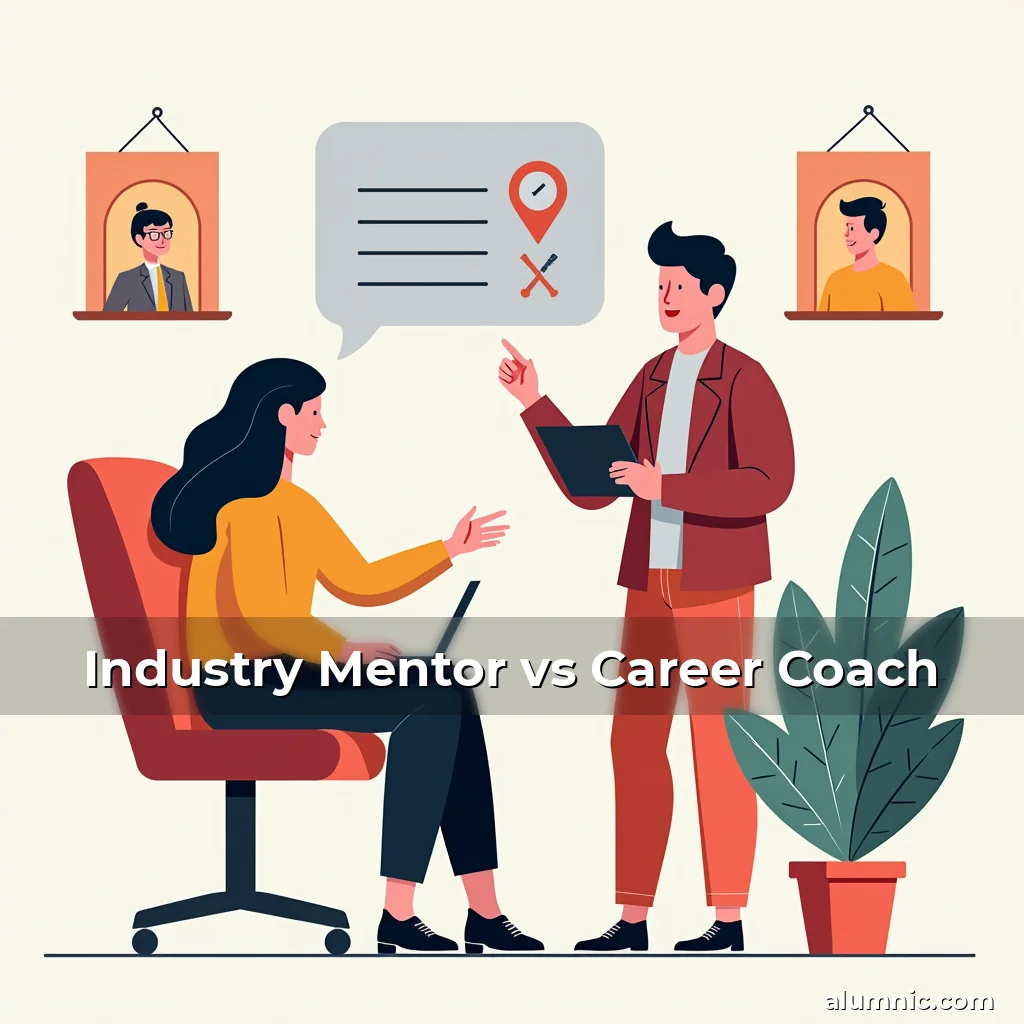
A certified career coach provides structured guidance tailored to individual career objectives. This relationship focuses on skill assessment, goal setting, and action plans designed to accelerate professional progress.
Coaching sessions often involve standardized frameworks like SMART goal methodology, personality assessments, and performance tracking systems. While mentors may offer anecdotal wisdom, coaches apply proven techniques to overcome specific challenges.
Comparative Analysis: When to Seek Which Guidance?
Research indicates that mentees experiencing rapid career transitions benefit most from mentorship. Those facing routine career obstacles often achieve better results through coaching interventions. A 2022 study found that 68% of mentees reported increased confidence levels compared to only 43% among coached participants.
This discrepancy highlights the complementary nature of both approaches. Mentoring excels at building long-term relationships while coaching delivers measurable outcomes within defined timelines.
Leveraging Alumni Networks for Effective Mentorship
Alumni associations create ideal environments for establishing meaningful mentorships. Shared educational backgrounds foster instant rapport while providing access to verified credentials and professional histories.
Many universities maintain online directories connecting graduates across industries. These platforms facilitate targeted searches based on location, specialty area, and years of experience.
Selecting the Right Career Coach Through Alumni Channels
Certified coaches affiliated with alumni organizations bring dual expertise in career development and industry-specific knowledge. Look for credentials like ACC (Associate Certified Counselor) or MCC (Master Certified Coach) designations.
Successful coaching partnerships require compatibility between client and counselor styles. Consider scheduling initial consultations to assess communication preferences and expected outcomes.
Evaluating Program Quality in Alumni-Moderated Initiatives
High-quality programs implement rigorous vetting processes for both mentors and coaches. Review participant testimonials, track completion rates, and examine post-program employment statistics before committing.
Premium offerings often include additional benefits like personalized development plans, regular check-ins, and access to restricted job boards. Assess whether these features align with your immediate career needs.
Bridging the Gap Between Mentorship and Coaching
Some professionals find value in combining both approaches. An active mentorship program can complement structured coaching sessions, creating a holistic development strategy.
Establish clear boundaries and expectations when pursuing parallel relationships. Allocate dedicated time slots for each engagement to avoid overcommitment and ensure focused attention.
Maximizing Long-Term Benefits from Both Relationships
Sustain contact with mentors through periodic updates on career milestones. Express gratitude for guidance received, and consider offering reciprocal assistance when appropriate.
Maintain consistent communication with coaches to monitor progress toward set objectives. Regular feedback loops enable timely adjustments to development plans.
Overcoming Common Challenges in Building These Relationships
Newcomers often struggle with approaching potential mentors due to imposter syndrome concerns. Remember that successful professionals understand the value of nurturing talent and sharing experiences.
Similarly, clients may feel uncertain about investing in coaching services. Evaluate potential ROI by considering factors like accelerated promotions, salary increases, or expanded professional networks.
Troubleshooting Relationship Dynamics
If a mentoring relationship stagnates, request specific examples of areas needing improvement. Ask open-ended questions to reignite productive conversations about career aspirations.
With coaching engagements, establish clear metrics for measuring success. Define what constitutes a completed objective and schedule regular evaluations to adjust strategies accordingly.
Enhancing Your Alumni Experience Through Strategic Networking
Attend university-hosted career fairs, webinars, and workshops to expand your network organically. These events often feature panels discussing current industry challenges and opportunities.
Engage actively in alumni social media groups by participating in discussions, sharing insights, and congratulating peers on career achievements. Visibility builds trust and credibility within the community.
Creating Lasting Connections Beyond Immediate Needs
Visionary graduates recognize that professional relationships evolve over time. Maintain contact with former mentors and coaches even after achieving initial career goals.
Stay informed about changes in your field by requesting periodic updates from established professionals. This ongoing dialogue keeps you ahead of industry shifts and fosters lifelong learning.
Measuring Success in Alumni-Focused Development Programs
Track tangible outcomes like new job offers, promotion timelines, or leadership opportunities gained through these relationships. Quantify improvements in confidence levels and decision-making abilities.
Conduct self-assessments periodically to identify gaps in skill sets addressed by your chosen development pathway. Adjust strategies based on evolving career priorities.
Building a Personalized Approach to Career Development
No single formula applies universally. Experiment with different combinations of mentorship and coaching until finding the optimal balance for your situation.
Regularly revisit your career roadmap to ensure alignment with changing circumstances. Be prepared to adapt your strategy as new opportunities emerge or existing goals shift.
Conclusion
Understanding the distinct yet complementary roles of industry mentors and career coaches equips graduates to build effective career development strategies. Both pathways offer unique advantages that can significantly impact professional trajectories.
Actively engage with your alumni network to explore available resources. Whether seeking mentorship, coaching, or a combination of both, proactive participation ensures you maximize the full spectrum of possibilities offered by your educational community.