Building a Global Alumni Club Network
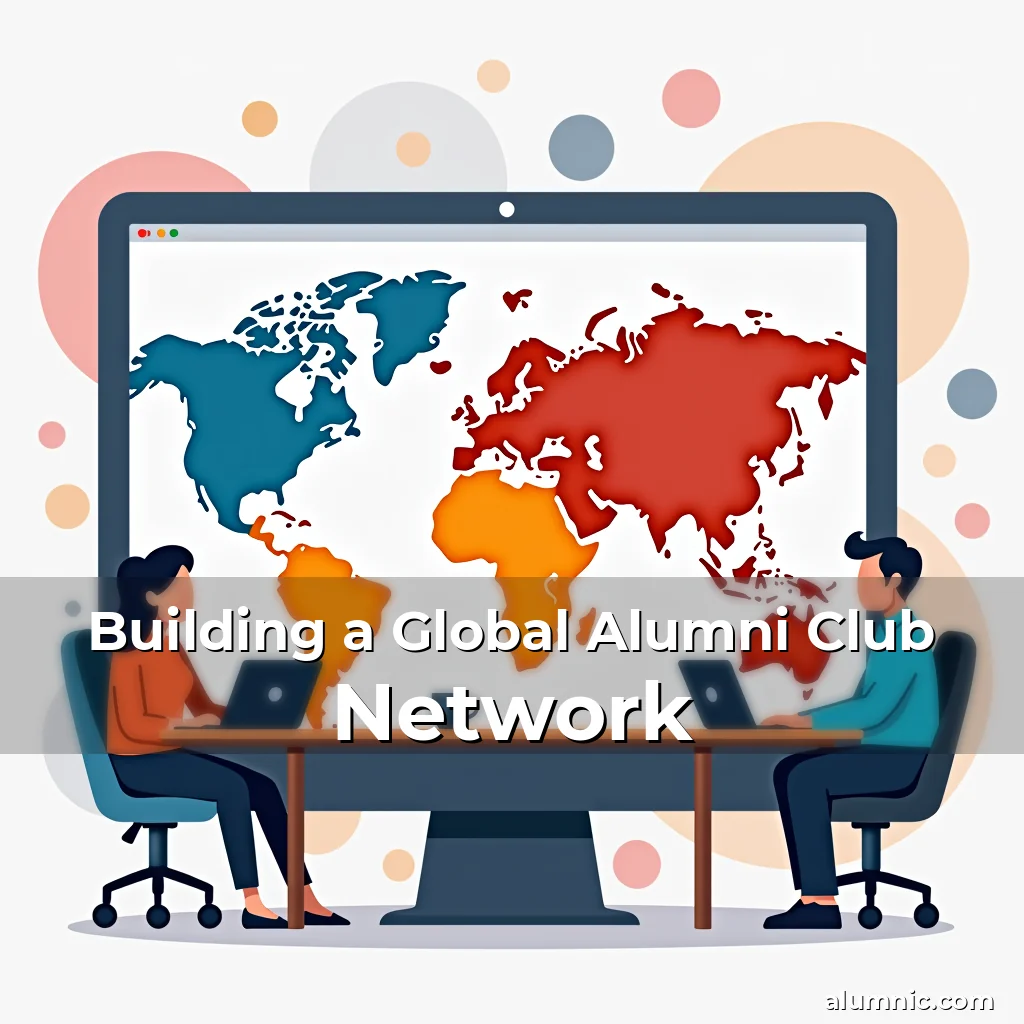
In an era where professional success is increasingly dependent on global connections, alumni clubs have evolved from mere social gatherings into powerful platforms for international collaboration. These organizations bridge geographical divides, enabling graduates to leverage shared experiences across continents.
The modern alumni network transcends borders through digital engagement strategies that mirror the interconnectedness of today’s workforce. By fostering cross-cultural interactions, these networks help members navigate diverse markets while preserving their institutional identity.
Evolving Role of Alumni Clubs in Professional Development
Today’s alumni clubs operate at the intersection of education, technology, and globalization. They serve as dynamic ecosystems where professionals can build relationships that extend beyond traditional job searches.
This transformation has led to the creation of specialized interest groups within many alumni associations. For instance, some institutions host AI-focused chapters while others prioritize sustainability initiatives among their graduates.
The value proposition extends far beyond resume-building opportunities. Members gain access to exclusive mentorship programs featuring leaders who understand both academic foundations and industry demands.
- Career Advancement: Regular networking events connect graduates with hiring managers and executives worldwide.
- Skill Enhancement: Workshops on emerging technologies provide practical knowledge relevant to current market trends.
- Diversity Exposure: Multicultural interactions prepare members for global business environments.
Fostering International Collaboration Through Digital Platforms
Virtual meeting spaces have become essential tools for maintaining connectivity in our globalized world. These platforms enable real-time collaboration regardless of physical location.
Leading alumni networks employ sophisticated data analytics to identify potential partnerships between members in different regions. This strategic approach maximizes the impact of every interaction.
A well-designed virtual platform offers features such as language translation services and cultural sensitivity training modules. These capabilities ensure effective communication across linguistic and cultural boundaries.
Digital Engagement Metrics Across Regions
Recent studies show that alumni clubs using interactive online tools experience 68% higher participation rates compared to those relying solely on in-person meetings.
In Asia-Pacific regions, mobile-first platforms drive particularly strong engagement, with users spending over three times more time interacting with digital content than their counterparts elsewhere.
These statistics highlight the importance of adapting digital infrastructure to regional preferences and technological adoption patterns.
Cross-Cultural Competency Development Programs
Modern alumni networks recognize the critical need for intercultural skills in today’s business landscape. They design tailored training programs to address this growing requirement.
Courses often include simulations of international negotiations and case studies involving multinational corporations. Participants learn to navigate complex diplomatic scenarios with confidence.
Some networks offer certification programs in global business practices, enhancing graduates’ credentials for positions requiring international expertise.
Strategic Partnerships with Global Organizations
Successful alumni clubs cultivate relationships with international bodies that share similar objectives. These collaborations expand networking possibilities exponentially.
Partnerships may involve joint research projects, co-hosted conferences, or mutual membership benefits. Such alliances create synergies that benefit all parties involved.
An example of this synergy occurs when universities partner with UN agencies on sustainable development initiatives. Alumni play crucial roles in implementing these collaborative efforts globally.
Leveraging Technology for Enhanced Networking
Advanced matchmaking algorithms analyze user profiles to suggest compatible contacts automatically. This intelligent system facilitates meaningful professional connections.
Multilingual chatbots assist non-native speakers in navigating conversations seamlessly. These tools eliminate language barriers without compromising authenticity.
AI-powered recommendation engines track individual interests and activity levels to personalize networking suggestions effectively.
Global Mentorship Opportunities
Alumni networks facilitate mentorship exchanges between experienced professionals and aspiring graduates around the world. These relationships foster professional growth across cultures.
Virtual mentoring platforms allow participants to schedule sessions based on time zones, ensuring accessibility for all members. This flexibility supports continuous learning processes.
Companies are beginning to integrate these global mentorship models into their talent acquisition strategies, recognizing the long-term benefits of culturally competent employees.
Entrepreneurial Support Systems Within Alumni Networks
Many alumni organizations offer incubator programs designed specifically for startup founders operating internationally. These resources significantly increase entrepreneurial success rates.
Besides financial support, these initiatives provide legal counsel, market analysis reports, and introductions to investors from various countries. Comprehensive guidance helps new ventures scale appropriately.
Some institutions maintain dedicated innovation hubs where alumni entrepreneurs can collaborate on cross-border ventures. These facilities promote idea exchange and resource sharing.
Measuring Impact and ROI of Global Alumni Initiatives
Effective measurement frameworks evaluate program effectiveness by tracking key performance indicators related to member engagement and professional outcomes.
Data collection methods range from regular surveys to automated analytics systems monitoring platform usage metrics. This information guides future improvements systematically.
Studies demonstrate that alumni participating in global networking initiatives earn 23% higher salaries on average than those who remain within local circles.
Moreover, companies report improved team cohesion and productivity gains when employing individuals trained through international alumni programs.
Ensuring Inclusivity in Global Alumni Communities
Leadership must actively work toward inclusiveness by addressing systemic biases that might limit certain group members’ visibility or opportunities.
Accessible meeting formats cater to differently abled members, providing subtitles for live videos and transcripts for recorded content whenever possible.
Culture-specific liaison officers ensure appropriate representation during multicultural activities, respecting traditions while promoting understanding.
Preparing Graduates for the Future of Work
Forward-thinking alumni networks equip members with skills necessary for tomorrow’s employment landscape shaped by automation and remote work paradigms.
Training includes not only technical proficiencies but also soft skills like adaptability and creative problem-solving required in hybrid work environments.
Participants gain exposure to innovative project management techniques applicable in dispersed teams working across multiple jurisdictions simultaneously.
Creating Lasting Connections Beyond Institutional Affiliation
While tied to specific educational backgrounds initially, successful global alumni networks evolve into lifelong communities independent of any particular institution’s influence.
Members form lasting bonds through shared values and common goals rather than simply past affiliations. This deeper connection fosters enduring collaborations.
Such networks continue to grow organically through member-driven initiatives and grassroots movements initiated by active contributors.
Conclusion
The evolution of global alumni clubs reflects broader societal changes towards greater interconnectedness and collaboration across borders.
To maximize benefits, graduates should actively participate in these networks, building personal brands that resonate within international contexts while contributing meaningfully to community development.