Building Bridges Through Alumni Networks: A Pathway to Professional Growth
In today’s rapidly evolving professional landscape, alumni networks stand as powerful catalysts for personal and career advancement. These connections transcend mere nostalgia, transforming into strategic assets that unlock doors previously inaccessible through traditional channels.
The strength of an alumni network lies in its ability to bridge gaps between academic foundations and real-world applications. By fostering lifelong relationships, these networks empower individuals to navigate challenges, seize opportunities, and cultivate resilience in their careers.
Understanding the Value of Alumni Networks in Career Development
An effective alumni network goes beyond the surface-level exchange of contact information. It thrives on shared experiences, mutual respect, and a collective drive toward growth. Graduates who actively engage with their peers often find themselves at the forefront of emerging trends and innovations within their industries.
These networks serve as incubators for collaboration. Whether it’s partnering on entrepreneurial ventures or seeking guidance during transitions, alumni associations foster environments where knowledge flows freely among members. This synergy can lead to breakthroughs that might otherwise remain undiscovered.
- Access to insider perspectives: Alumni often possess firsthand knowledge of company cultures, hiring practices, and unspoken rules within various sectors. Their insights can guide newcomers away from common pitfalls and toward successful pathways.
- Collaborative project opportunities: Many professionals credit their most impactful work to collaborations initiated through alumni circles. From research partnerships to co-founding startups, these networks frequently become breeding grounds for innovation.
- Ongoing learning communities: Unlike rigid classroom structures, alumni networks evolve organically over time. Members continuously share resources, host webinars, and organize skill-building sessions tailored to current market needs.
How to Engage Effectively With Your Alumni Network
Active participation begins with identifying which aspects of your network align most closely with your goals. While some may prioritize mentorship programs, others might benefit more from specialized industry groups or local chapter activities.
Cultivating genuine relationships requires intentionality. Attend events not merely as spectators but as contributors. Bring fresh ideas, ask thoughtful questions, and demonstrate appreciation for others’ achievements. This reciprocity builds trust and opens new avenues for collaboration.
Leveraging Social Media Platforms Strategically
Social media has revolutionized how alumni maintain and expand their networks. Platforms like LinkedIn allow for targeted outreach, enabling users to reconnect with former classmates or colleagues working in desired fields.
However, digital engagement should complement—not replace—in-person interactions. Regularly updating profiles with relevant accomplishments keeps you visible while also inviting others to learn about your journey. Thoughtful posts that spark discussion can position you as an engaged thought leader within your community.
Maximizing Mentorship Within Alumni Networks
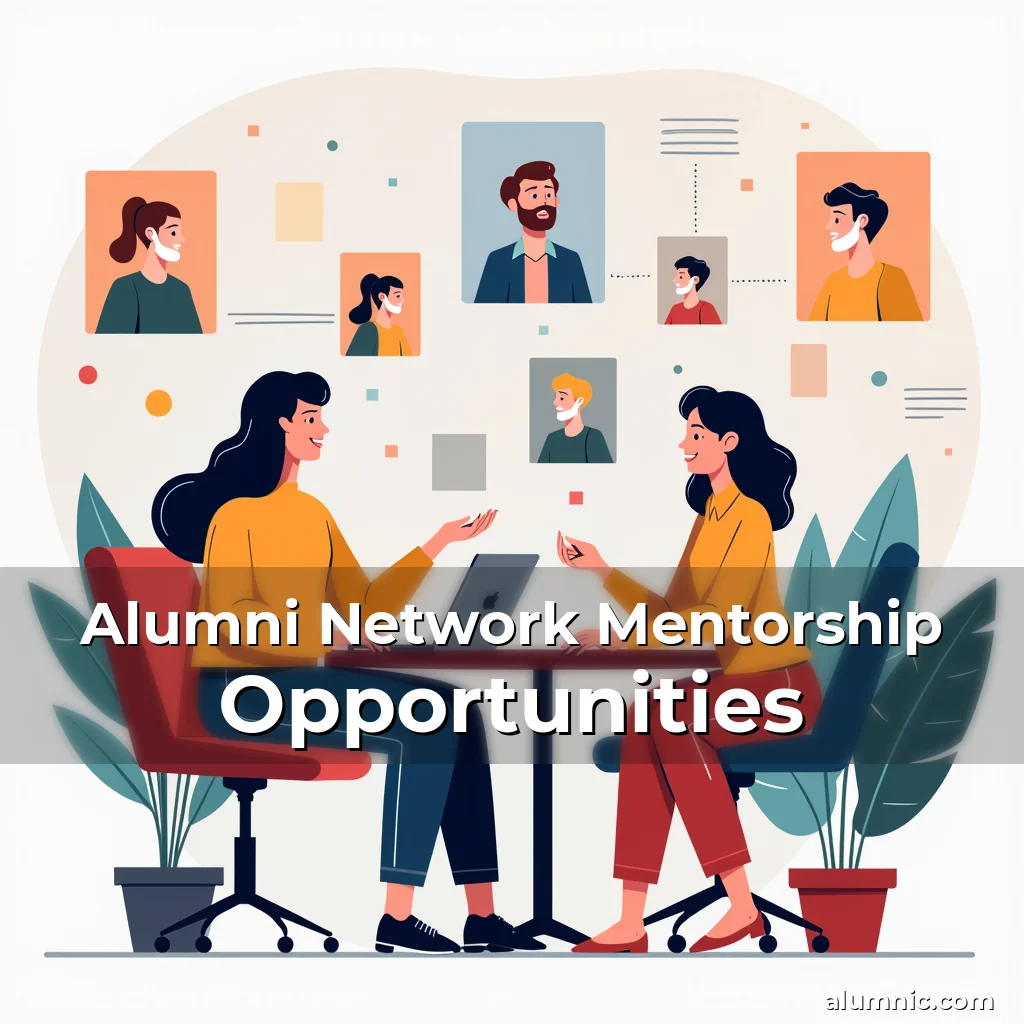
Mentorship remains one of the most transformative elements of strong alumni networks. Unlike conventional coaching models, peer-led mentorship allows for authentic exchanges rooted in lived experience rather than hierarchical authority.
To find suitable mentors, consider factors beyond seniority. Look for individuals whose trajectories intersect with yours in meaningful ways—those who’ve navigated similar challenges or pioneered paths you aspire to follow.
Setting Clear Goals When Approaching Potential Mentors
A well-defined purpose strengthens every mentoring relationship. Before initiating contact, identify exactly what you hope to gain from the interaction. Are you seeking advice on transitioning industries? Or looking for insight into leadership roles?
Equally important is understanding what you can contribute in return. Successful mentorships thrive on mutual benefit. Share your skills, offer assistance with projects, and express willingness to support them professionally whenever possible.
Leveraging Alumni Events for Networking and Learning
Conferences, symposiums, and reunion gatherings represent prime opportunities to deepen existing connections while forging new ones. These structured settings provide natural conversation starters and facilitate introductions that might never occur otherwise.
Virtual events have expanded accessibility significantly. Webinars featuring industry leaders or interactive Q&A panels enable participants to absorb insights remotely while still participating meaningfully in discussions.
Creating Lasting Connections Through Consistent Engagement
Persistent involvement distinguishes passive observers from truly integrated members. Rather than waiting for invitations, take initiative by proposing meetups, volunteering for committees, or suggesting topics for group discussions.
Consistency breeds familiarity, which lays groundwork for deeper bonds. Regular check-ins—even brief messages acknowledging recent milestones—keep relationships vibrant and responsive to future needs.
Tailoring Your Approach Based on Industry-Specific Needs
Different professions demand distinct approaches to networking. Tech professionals might emphasize open-source contributions and hackathon participation, whereas creative fields could prioritize portfolio showcases and critique sessions.
Researching prevailing norms within target industries helps avoid missteps. Understand preferred modes of communication, typical meeting formats, and cultural expectations around gift-giving or reciprocity in your field.
Overcoming Common Challenges in Alumni Network Participation
Time constraints often deter full engagement with alumni networks. However, prioritization can mitigate this issue. Set aside small windows for networking tasks—such as dedicating fifteen minutes weekly to reviewing event calendars or responding to messages.
For those unsure where to begin, starting locally proves advantageous. Focus on regional chapters or affinity groups centered around shared interests before expanding outward. Local events tend to offer more personalized interactions than broader national gatherings.
Measuring Impact: Tracking Progress Within Your Alumni Network
Evaluating the effectiveness of your network engagement involves both qualitative and quantitative metrics. Track tangible outcomes like referrals received, speaking engagements secured, or collaborative projects launched alongside intangible gains such as increased confidence or expanded worldview.
Regular self-assessment enables refinement of strategies. If certain types of events consistently yield fruitful connections, allocate more energy there. Conversely, reassess methods yielding minimal returns without dismissing them entirely.
Fostering Inclusivity Across Diverse Alumni Populations
Modern alumni networks increasingly reflect global diversity. Recognizing varied backgrounds enriches interactions and broadens perspectives. Actively seek out voices representing different geographies, disciplines, and life experiences to enhance your own understanding.
Create inclusive spaces by respecting differing viewpoints and facilitating dialogues that celebrate rather than diminish differences. Encourage participation from all demographics through accessible venues and flexible formats accommodating diverse schedules and abilities.
Preparing for Leadership Roles Within Your Alumni Organization
As your network grows, consideration of leadership positions becomes inevitable. These roles require balancing vision with pragmatism—identifying areas needing improvement while realistically assessing available resources.
Effective leaders listen attentively to member concerns and translate feedback into actionable plans. Develop contingency strategies for addressing unexpected challenges while remaining adaptable to shifting priorities within the organization.
Conclusion
Alumni networks function as dynamic ecosystems where continuous learning, mutual support, and professional evolution intertwine seamlessly. Those who embrace these communities wholeheartedly discover unparalleled advantages that extend far beyond initial expectations.
Take concrete steps today to strengthen your ties within this vital network. Schedule a coffee chat with an old classmate, register for an upcoming webinar, or propose a new initiative aligned with your passions. Every small action contributes to long-term success within your ever-expanding circle of influence.