The Power of Alumni Networks in Building Lasting Professional Relationships
In an ever-evolving professional landscape, alumni networks have emerged as vital platforms that bridge academic roots with lifelong opportunities. These connections go beyond mere nostalgia; they form strategic alliances that can significantly influence career trajectories.
For professionals seeking growth, leveraging these networks offers access to mentorship programs, exclusive job listings, and collaborative ventures that align with personal and organizational goals. This synergy between past affiliations and future aspirations creates a dynamic environment where knowledge is exchanged freely.
Fostering Strategic Alliances Through Alumni Engagement
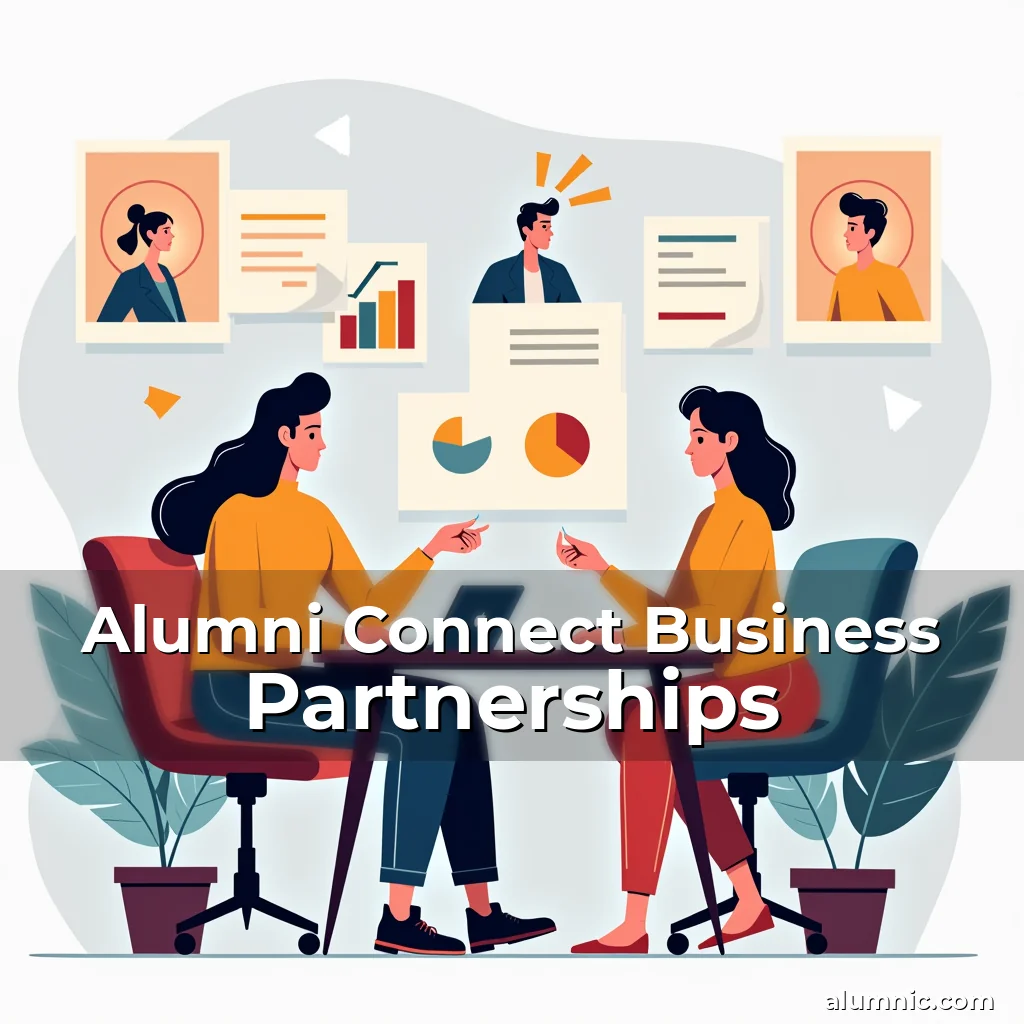
Engaging actively within your alma mater’s alumni network opens doors to forming strategic partnerships across various industries. Such engagements are not limited to informal meetups but encompass structured initiatives designed to foster meaningful collaborations.
Career services departments often host networking events specifically tailored to facilitate these interactions. From roundtable discussions featuring industry leaders to pitch sessions aimed at startups, each event serves as a catalyst for new business relationships.
- Mentorship Programs: Formalized mentorship structures enable experienced professionals to guide emerging talents through personalized coaching sessions and career advisement.
- Collaborative Projects: Joint ventures between alumni from different fields lead to innovative solutions by combining diverse skill sets under shared objectives.
These initiatives ensure that every participant benefits from cross-functional learning experiences while contributing their expertise towards collective success stories.
Leveraging Career Development Opportunities Within Alumni Communities
Career development resources available exclusively to alumni provide significant advantages when navigating today’s competitive job market. These tools range from resume workshops led by HR experts to virtual interviews conducted by top recruiters.
Moreover, many universities offer discounted courses through their Continuing Education divisions, allowing alumni to upskill without financial strain. These educational offerings cater to both recent graduates looking for entry-level guidance and seasoned professionals aiming for advanced certifications.
Tapping Into Exclusive Job Listings
Dedicated job boards maintained by alumni associations feature positions that remain hidden from general public job portals. These roles often come with added perks such as referral bonuses and accelerated interview processes due to pre-vetted credentials.
By maintaining active profiles on these platforms, alumni increase visibility among hiring managers who value candidate quality over quantity. This targeted approach enhances placement rates considerably compared to traditional recruitment methods.
Enhancing Personal Branding Through Alumni Networking Events
Participating regularly in alumni-hosted conferences and seminars helps build credibility within specialized sectors. These gatherings allow attendees to showcase achievements while absorbing insights from thought leaders shaping current trends.
When presenting oneself professionally during such occasions, individuals reinforce their brand identity consistently across multiple touchpoints – whether through LinkedIn updates following sessions or thoughtful engagement posts highlighting key takeaways.
Consistent branding efforts create memorable impressions that distinguish participants from peers vying for similar recognition opportunities within tight-knit communities.
Utilizing Digital Platforms For Continuous Connection
Modern alumni networks extend far beyond physical campuses via robust digital ecosystems comprising mobile apps and dedicated websites. These platforms streamline communication channels ensuring seamless interaction regardless of geographical constraints.
Features like real-time messaging systems enable instant feedback exchanges regarding project proposals or potential collaboration ideas. Additionally, integrated calendars help schedule meetings efficiently even amidst busy schedules.
The ability to filter contacts based on location, profession, or interests further optimizes connection-making efforts by directing users toward relevant conversations organically rather than randomly.
Bridging Cultural Divides With Global Alumni Initiatives
Universities increasingly recognize the importance of global connectivity among graduates spread across continents. As such, international chapters organize cultural exchange programs fostering mutual understanding among members from varied backgrounds.
Virtual town halls held periodically serve dual purposes – updating constituents about institutional news while also providing forums for open dialogue addressing concerns related to diversity inclusion policies.
This inclusive approach ensures that no matter which corner of the world alumni reside in, they feel connected to their academic heritage through shared values and common goals.
Encouraging Entrepreneurial Ventures Through Alumni Support Systems
Many institutions now support entrepreneurial endeavors initiated by former students through incubator programs offering workspace facilities alongside expert mentoring sessions. These environments nurture innovation by removing barriers typically faced by solo founders.
Access to venture capital funding sources becomes easier through introductions facilitated by successful alumni entrepreneurs already established within target markets. This direct link accelerates startup growth phases substantially reducing time-to-market delays.
Furthermore, legal assistance provided gratis or subsidized by law school alumni associations proves invaluable when drafting incorporation documents essential for launching any business entity legally compliantly.
Creating Impactful Legacy By Giving Back To The Community
Active participation in alumni giving circles allows contributors to shape future generations’ educational journeys positively. Scholarships funded through endowments created by generous donors directly impact student lives by making higher education accessible financially challenged candidates.
Vocational training grants awarded annually benefit those pursuing non-traditional paths requiring hands-on experience prior to entering full-time employment scenarios. These investments reflect long-term commitments toward societal betterment driven by collective responsibility.
Through sustained contributions over years, alumni transform initial donations into lasting legacies influencing countless others indirectly yet profoundly along their respective life paths forward.
Conclusion
The power of alumni networks lies not only in reconnecting old classmates but in creating enduring professional ecosystems beneficial to all involved parties. These interconnected webs of trust empower individuals continuously evolving personally and organizationally alike.
To maximize gains derived from such memberships, consistent engagement remains paramount. Whether attending quarterly mixers or volunteering for committee tasks, proactive involvement ensures continued relevance within expanding horizons offered by modern-day alumni communities worldwide.