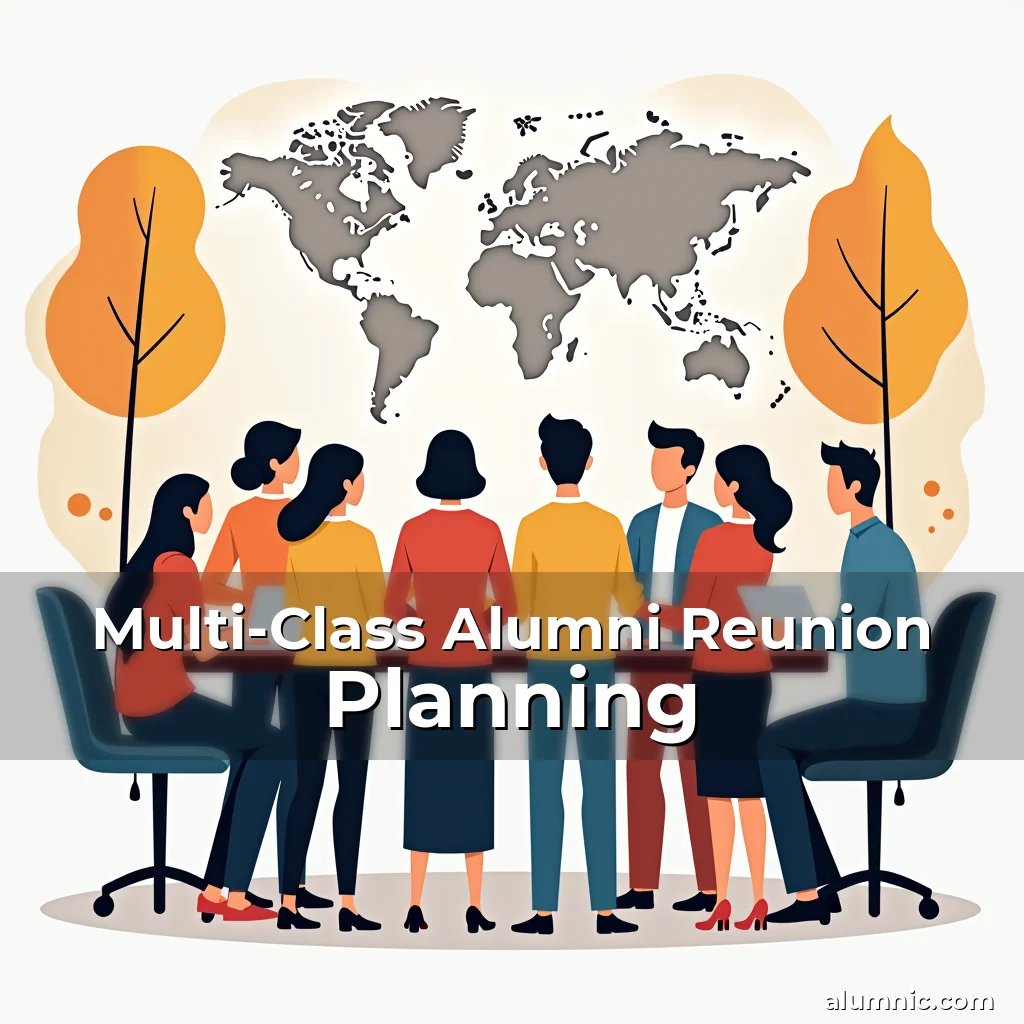
The Power of Multi-Class Alumni Reunions in Strengthening Networks and Career Opportunities
In an era where professional connections are often made through digital platforms, multi-class alumni reunions offer a rare opportunity to build meaningful relationships face-to-face. These events provide graduates from different academic years the chance to reconnect, share experiences, and foster long-lasting bonds that can significantly impact their careers.
For alumni seeking career advancement, these gatherings serve as dynamic networking hubs. They allow participants to engage in conversations that might lead to mentorship opportunities, job referrals, or collaborative ventures across various industries.
Celebrating Shared Histories Through Alumni Reunions
Alumni reunions create a sense of nostalgia by bringing together individuals who once shared common experiences within educational institutions. This collective memory forms the foundation for deeper interpersonal connections among attendees from diverse backgrounds and professions.
The emotional resonance generated during such events is powerful. Participants often find themselves reminiscing about past challenges they overcame together, which naturally leads to discussions about current endeavors and future aspirations.
These shared memories act as conversation starters that help break down barriers between individuals who may have lost touch over time. The familiarity created through mutual history fosters trust and openness essential for productive interactions later on.
- Emotional connection: Nostalgia triggers stronger engagement than purely business-oriented meetings.
- Common ground: Shared academic experiences become natural icebreakers at networking events.
- Diverse perspectives: Attendees represent varying career paths yet maintain strong institutional ties.
Fostering Professional Growth Through Networking
Face-to-face interactions at alumni reunions enable more authentic communication compared to virtual platforms. Body language cues, tone of voice, and non-verbal signals contribute to richer exchanges that can be missed online.
Participants benefit from observing how successful peers navigate their respective fields. Informal chats around coffee stations or during meals often reveal insights into industry trends, leadership strategies, and emerging technologies relevant to multiple sectors.
Networking at these events extends beyond immediate colleagues. It includes faculty members, administrators, and guest speakers who bring specialized knowledge applicable to various stages of professional development.
Such encounters frequently result in introductions to new contacts who could influence future career trajectories. A casual conversation might lead to a referral for a coveted position or collaboration on innovative projects spanning different disciplines.
Strategies for Effective Alumni Engagement
Successful alumni reunions require strategic planning focused on maximizing interaction quality rather than mere attendance numbers. Organizers must consider factors like venue selection, scheduling, and activity design when crafting event experiences.
Creating structured but flexible agendas allows attendees freedom while ensuring key networking moments occur organically. Mixing formal sessions with informal socializing helps balance professional objectives with personal enjoyment.
Interactive elements such as roundtable discussions or skill-building workshops encourage active participation instead of passive observation. These activities promote deeper engagement by providing practical value beyond socializing.
Leveraging technology strategically enhances traditional formats without compromising authenticity. Digital tools can facilitate pre-event matchmaking or post-event follow-ups while maintaining the human element central to these gatherings.
Bridging Generational Gaps Within Alumni Communities
Multigenerational alumni reunions present unique opportunities for intergenerational learning and support. Younger alumni gain invaluable perspective from seasoned professionals navigating complex career landscapes.
Elderly graduates benefit from renewed energy brought by younger counterparts eager to learn about contemporary work environments and technological advancements shaping modern industries.
This cross-pollination creates a balanced exchange where both groups contribute uniquely to each other’s growth. Mentorship programs embedded within reunion structures formalize these organic relationships into sustainable developmental partnerships.
Variations in life experiences between age cohorts enrich dialogues about work-life balance, ethical considerations in business practices, and evolving definitions of success across generations.
Enhancing Event Experiences With Thoughtful Programming
Curated programming ensures that every attendee finds value in participating regardless of their primary motivation. Balancing professional development with social components maintains broad appeal across differing interests and priorities.
Workshops led by accomplished alumni cover topics ranging from entrepreneurship to digital transformation, offering actionable insights tailored specifically for graduates of similar academic backgrounds.
Social activities designed with intentionality prevent events from becoming solely transactional spaces. Activities like team-building exercises or cultural excursions reinforce community spirit alongside professional discourse.
Providing multiple session tracks caters to varied schedules while allowing deeper exploration of niche subjects relevant to particular career paths represented among attendees.
Capturing Lasting Memories Through Documentation
Comprehensive documentation of alumni reunions preserves the essence of these gatherings for future reference. High-quality photography captures visual storytelling that conveys emotions associated with reconnections and shared milestones.
Audio recordings of keynote speeches and panel discussions ensure continued access to expert advice even after the event concludes. Transcripts make these resources searchable and easily digestible for those unable to attend physically.
Video summaries compiled from interviews conducted during the reunion offer personalized reflections highlighting individual journeys since graduation. These materials become treasured keepsakes for many participants.
Digitally archiving all content facilitates easy retrieval and sharing capabilities, enabling ongoing dialogue initiated at the event to continue virtually thereafter.
Promoting Long-Term Alumni Involvement Beyond Events
Effective alumni engagement doesn’t end with a single reunion; it requires cultivating continuous involvement through sustained initiatives. Regular check-ins via newsletters or dedicated forums maintain momentum established during special occasions.
Establishing clear pathways for contribution empowers alumni to shape future events according to their needs and expectations. Surveys before and after reunions gather feedback crucial for refining subsequent iterations effectively.
Encouraging peer-to-peer mentoring systems sustains professional development efforts well beyond any given gathering. Structured frameworks guide these relationships toward measurable outcomes beneficial for both mentors and mentees alike.
Recognizing contributions publicly reinforces commitment levels among volunteers who dedicate time and expertise to enhance overall alumni experience consistently over time.
Conclusion
Multi-class alumni reunions serve as vital connectors bridging past experiences with present-day opportunities. Their ability to forge enduring relationships remains unmatched by purely digital alternatives available today.
By prioritizing genuine engagement over superficial interactions, organizers can transform these gatherings into catalysts for lasting professional growth and community enrichment across generations of graduates.