Building Bridges Beyond Graduation: How Alumni Networking Mixers Fuel Career Growth
In today’s fast-paced professional world, staying connected to peers and mentors isn’t just beneficial—it’s essential. Alumni networking mixers offer a dynamic platform where graduates can forge meaningful relationships, explore new opportunities, and reignite old collaborations. These events transcend casual meetups, transforming into strategic hubs for career advancement.
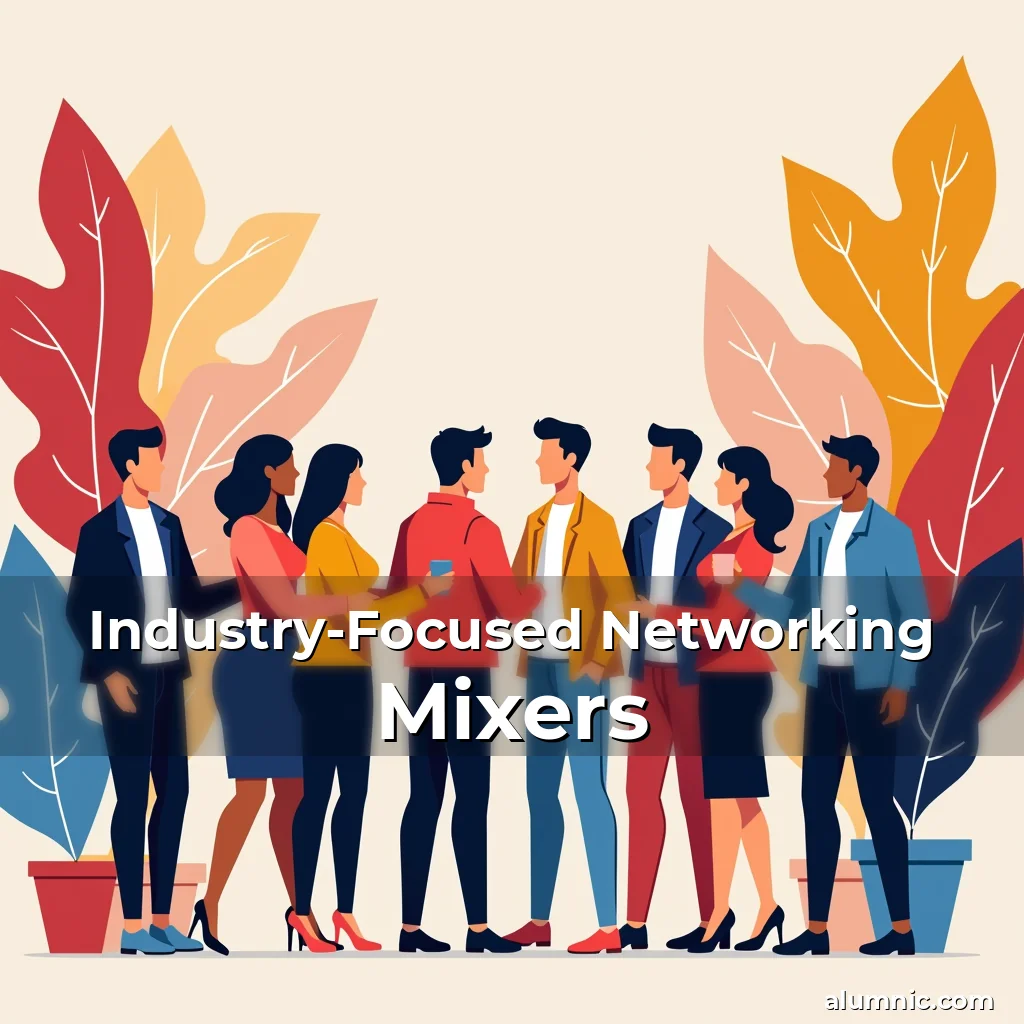
Unlike generic social gatherings, industry-focused networking mixers cater to specific sectors, enabling participants to connect with professionals sharing similar interests and expertise. Whether you’re seeking mentorship, a job change, or collaborative projects, these events are designed to maximize relevance and impact for alumni communities.
The Power of Industry-Specific Networking
Traditional networking often lacks the precision required to address sector-specific challenges. Industry-focused networking mixers bridge this gap by bringing together individuals invested in particular fields, fostering conversations that align with shared goals and trends. This specialization ensures that every interaction carries potential value.
For alumni navigating evolving industries, these mixers serve as accelerators for knowledge exchange. Attendees gain insights into emerging technologies, regulatory shifts, and market demands that may not surface in broader forums. Such clarity helps position participants as informed and proactive players in their chosen domains.
- Dedicated Conversations: Discussions center around niche topics like AI integration in healthcare or sustainable finance, allowing for deep dives rather than superficial exchanges.
- Tailored Connections: Event organizers curate guest lists based on industry roles, increasing the likelihood of high-quality matches between attendees.
Leveraging Alumni Networks for Deeper Engagement
Alumni networks act as the backbone of many networking mixers, offering a built-in community of trusted contacts. Unlike cold outreach, interacting with fellow graduates creates immediate rapport grounded in shared experiences and institutional pride.
These networks also provide historical context, helping attendees identify commonalities such as overlapping coursework, research interests, or past internships. This familiarity reduces hesitation and encourages candid dialogue about career aspirations and obstacles.
The Role of Institutional Support
Universities and alumni associations play a pivotal role in orchestrating effective mixers. By analyzing graduate employment patterns and industry trends, they design events that resonate with current workforce needs. For instance, a tech-savvy university might host cybersecurity-focused sessions aligned with its engineering program’s strengths.
Data from recent surveys indicates that 68% of alumni attribute career advancements to peer-driven initiatives facilitated by their alma maters. This statistic underscores the importance of institutional backing in creating impactful networking ecosystems.
Preparing Strategically for Maximum Impact
Success at a networking mixer hinges on preparation. Begin by defining clear objectives—whether it’s securing a mentor, exploring freelance opportunities, or learning about industry certifications. Having specific goals sharpens your focus during interactions.
Research attendees beforehand to identify potential allies. Review speaker bios, company profiles, or session descriptions to pinpoint individuals whose work aligns with your interests. This due diligence allows for thoughtful, purposeful conversations instead of random small talk.
- Craft Your Elevator Pitch: Develop a concise, compelling narrative that highlights your skills, achievements, and career ambitions. Practice delivering it naturally without sounding rehearsed.
- Prioritize Quality Over Quantity: Aim to build depth with fewer connections rather than collecting business cards indiscriminately. Follow-up actions matter far more than initial impressions alone.
Navigating Interactions with Confidence
During the event, adopt an attitude of curiosity over competition. Ask open-ended questions to uncover mutual interests—for example, “How did your experience in renewable energy shape your leadership philosophy?” This approach fosters genuine engagement while showcasing your attentiveness.
Listen actively and take notes on key discussion points. If someone shares a challenge relevant to your expertise, propose solutions or suggest resources. Demonstrating problem-solving ability reinforces your value proposition subtly yet effectively.
Bridging Digital and In-Person Etiquette
Virtual networking mixers require adapting communication styles to screen-based environments. Maintain eye contact via camera feeds, speak clearly, and avoid multitasking during calls. A simple smile or nod can convey warmth even when physically distant.
When transitioning from online to offline settings, leverage digital tools like LinkedIn to schedule coffee chats or follow-up emails. Personalizing these messages with references from the conversation significantly boosts response rates compared to generic templates.
Post-Mixer Strategies for Sustained Relationships
Following up promptly is crucial for turning fleeting encounters into lasting partnerships. Send a thank-you note within 24 hours, referencing specific aspects of your conversation to demonstrate sincerity. This gesture signals respect and keeps your name top-of-mind for future discussions.
Maintain momentum by proposing next steps—such as requesting advice on a project, suggesting a joint webinar, or inviting the person to review your portfolio. Offering reciprocal value strengthens the relationship beyond transactional expectations.
- Track Progress: Log each connection in a CRM system, noting discussion topics and agreed-upon follow-through items. Regular check-ins prevent relationships from fading into obscurity.
- Stay Visible: Share relevant articles, comment on posts, or congratulate on milestones to remain present in their professional orbit without appearing intrusive.
Hosting Effective Networking Events: A Host’s Perspective
Organizers bear significant responsibility in shaping successful mixers. They must balance logistical efficiency with creative programming to sustain participant interest. From venue selection to scheduling, every decision impacts attendee satisfaction and outcomes.
A well-designed agenda includes keynote speeches, breakout workshops, and structured mingling periods. Mixing formal presentations with informal networking zones caters to diverse preferences while promoting organic interactions among attendees.
Fostering Diversity and Inclusion
Creating inclusive spaces requires intentional efforts. Hosts should prioritize representation across gender, ethnicity, age, and career stages. Implementing blind application processes for speakers or volunteers can mitigate unconscious biases in event curation.
Providing accessibility features—like sign language interpreters, wheelchair ramps, or flexible seating arrangements—ensures all participants feel valued. Transparent communication about these provisions builds trust and encourages wider participation.
Case Studies: Real Success Stories from Alumni Mixers
Anecdotal evidence reveals transformative outcomes from well-executed networking mixers. Consider Maria, a marketing alumnus who met her now-business partner at a fintech mixer. Their collaboration led to launching a startup specializing in financial literacy apps, generating $2 million in venture capital funding within two years.
Similarly, James, a law school graduate, secured his dream job after connecting with a senior attorney at an environmental justice mixer. Their subsequent mentorship culminated in James co-authoring a landmark policy paper that elevated both his profile and his employer’s reputation nationally.
- Measurable Outcomes: Surveys show that 43% of alumni report tangible career improvements—from promotions to salary increases—within six months of participating in targeted mixers.
- Long-Term Benefits: Many attendees form lifelong friendships and professional alliances that continue to yield dividends through referrals, collaborations, and emotional support systems.
Evolving Trends in Networking Mixer Formats
As technology advances, networking mixers are adopting hybrid models blending physical and virtual elements. Live-streamed panels allow global attendance while preserving face-to-face interaction opportunities for local participants. This flexibility broadens reach without diluting intimacy.
Interactive platforms now enable real-time matchmaking based on shared interests or skill sets. Participants receive curated meeting suggestions, optimizing time spent at events and minimizing awkwardness in unstructured social settings.
The Rise of Themed Mixers
Themed events focusing on hot-button issues—like climate resilience or AI ethics—attract passionate advocates eager to collaborate on innovative solutions. These formats cultivate deeper engagement by uniting attendees around cause-related missions.
Such themes also attract media attention and sponsorships, enhancing event visibility and resource availability. Partnerships with industry leaders often result in exclusive discounts, internship offers, or mentorship programs exclusively available to mixer attendees.
Overcoming Common Challenges in Networking
Many alumni struggle with imposter syndrome or fear of rejection during networking events. Acknowledge these feelings openly and reframe them as natural parts of human connection. Remember that everyone present is likely experiencing similar uncertainties.
If shyness persists, start with low-pressure activities like group exercises or icebreakers. Focus on contributing meaningfully to others’ conversations rather than fixating solely on self-promotion. Authenticity resonates far more than polished performances.
- Practice Self-Compassion: Celebrate small wins—every conversation counts toward building confidence and expanding your network incrementally.
- Seek Guidance: Approach experienced attendants or hosts for subtle cues on how to navigate challenging situations gracefully.
Cultivating a Culture of Lifelong Learning Through Networking
Networking mixers shouldn’t end with a single event—they should inspire ongoing personal and professional development. Encourage attendees to join book clubs, masterclasses, or certification courses recommended by their newfound contacts.
Create alumni affinity groups centered around shared passions or industries. These micro-communities foster continuous dialogue outside formal mixer settings, reinforcing bonds through regular check-ins and collaborative ventures.
Tracking Long-Term Network Health
Use analytics tools to monitor how frequently you interact with your network. Set benchmarks for quarterly touchpoints and adjust accordingly based on feedback received. Balancing quantity with quality ensures sustained relational health.
Periodically revisit your original networking goals to assess progress. Did that mentorship lead to a promotion? Has your new partnership materialized into a profitable venture? Reflective practices empower continual improvement in your networking strategy.
Conclusion
From forging strategic partnerships to unlocking hidden career paths, alumni networking mixers represent powerful catalysts for growth. When approached thoughtfully, these events become more than mere social occasions—they evolve into launchpads for innovation, mentorship, and enduring camaraderie.
To fully capitalize on these opportunities, commit to consistent engagement. Attend regularly, prepare thoroughly, and nurture relationships with intentionality. Your efforts will ripple outward, enriching both your trajectory and the collective strength of your alumni network for generations ahead.