Building Bridges Beyond Graduation: How Alumni Connect Events Fuel Professional Growth
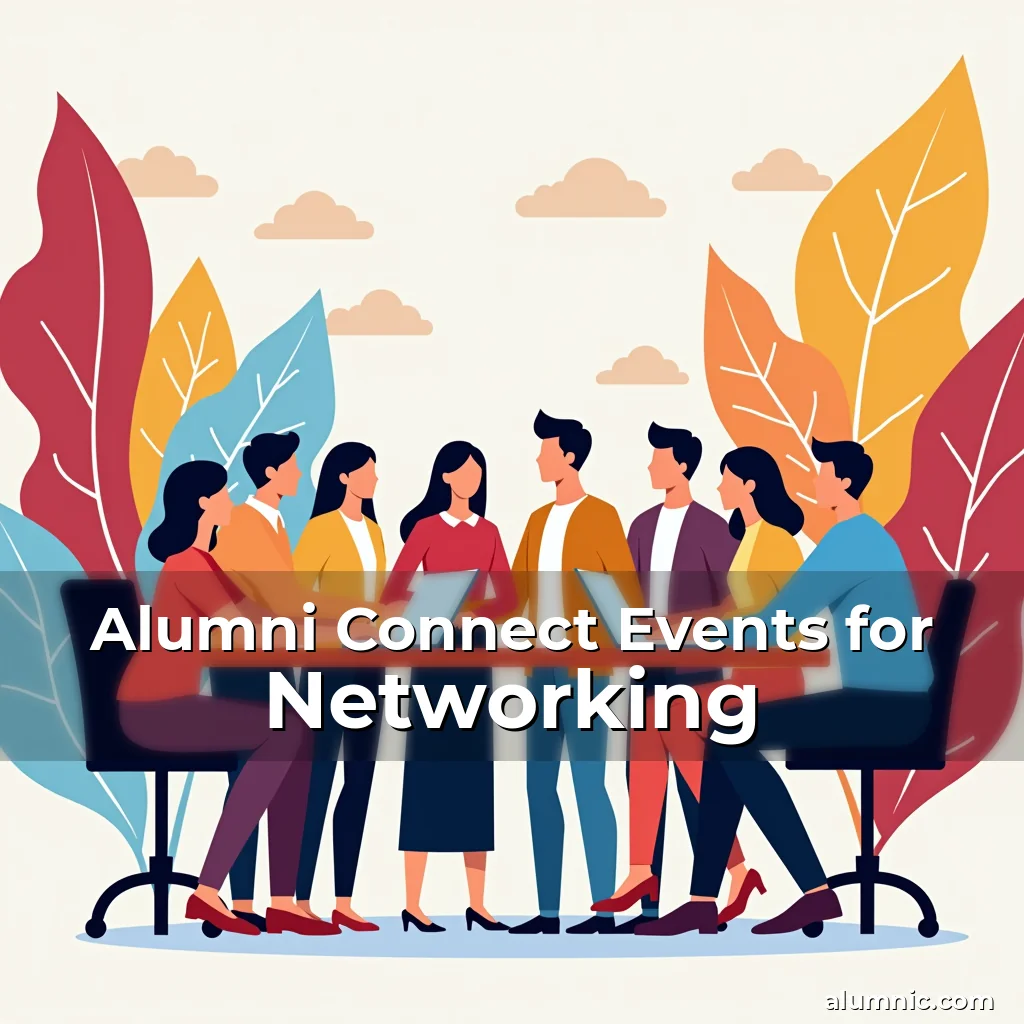
In today’s fast-paced world, staying connected with your alma mater isn’t just nostalgic—it’s strategic. Alumni Connect events serve as vital bridges between academic roots and professional aspirations, offering unparalleled opportunities for networking, collaboration, and lifelong learning.
These gatherings transcend casual reunions; they’re dynamic ecosystems designed to foster innovation, share expertise, and unlock new pathways for career advancement. Whether you’re seeking mentorship, exploring job prospects, or simply rekindling old bonds, Alumni Connect events provide a platform tailored to your evolving goals.
Understanding the Power of Alumni Networks
An alumni network extends far beyond the confines of campus. It represents a living, breathing web of individuals who’ve navigated similar journeys, achieved diverse milestones, and continue to grow collectively. This shared history creates a foundation of trust, making these networks powerful tools for professional development.
The strength of an alumni network lies in its ability to cultivate relationships rooted in mutual respect and shared experiences. These connections often lead to collaborations that wouldn’t otherwise occur, whether through referrals, joint ventures, or knowledge-sharing initiatives.
Key features of effective alumni networks:
- Diversity of members: A robust alumni network encompasses professionals from various industries, geographies, and stages of life, ensuring a wealth of perspectives and opportunities.
- Active engagement: Successful networks thrive on consistent interaction, whether through regular meetings, online forums, or special interest groups aligned with individual passions.
- Resource accessibility: Members gain exclusive access to industry reports, job boards, skill-building workshops, and other tools essential for career progression.
Moreover, modern alumni networks leverage technology to enhance connectivity. From mobile apps facilitating event discovery to virtual meeting spaces enabling cross-border interactions, these innovations make maintaining contact easier than ever before.
At their core, alumni networks function as accelerators for personal and professional transformation. By tapping into collective wisdom, members can navigate challenges more effectively and seize opportunities that align perfectly with their ambitions.
Why Alumni Connect Events Matter for Career Development
Career growth hinges on visibility, credibility, and opportunity—all of which can be significantly enhanced through targeted networking. Alumni Connect events provide structured environments where these elements converge seamlessly.
Unlike general networking venues, these events bring together individuals bound by a common identity—graduates of the same institution. This shared background fosters instant rapport, reducing the friction typically associated with cold outreach and building genuine relationships.
Statistics reveal compelling evidence of their effectiveness: A recent survey found that 68% of participants secured job leads or promotions within six months of attending Alumni Connect events, underscoring their tangible impact on career trajectories.
Such events also serve as microcosms of broader industry dynamics. Through keynote speeches, panel discussions, and breakout sessions, attendees gain insights into emerging trends, best practices, and potential pitfalls shaping their fields.
Additionally, Alumni Connect events act as catalysts for entrepreneurship. Many successful startups trace their origins to conversations sparked during these gatherings, highlighting their role in nurturing innovative ideas and collaborative ventures.
Strategies for Maximizing Your Alumni Network Engagement
To derive maximum benefit from alumni events, proactive preparation is essential. Begin by researching upcoming events to identify those most aligned with your current objectives and interests.
Create a personalized plan outlining specific goals for each attendance—a mix of informational interviews, potential partnership explorations, and informal relationship-building. Having clear intentions ensures productive use of limited time slots.
Prepare thoughtfully crafted elevator pitches that succinctly communicate your achievements, skills, and aspirations. Practice delivering these confidently, allowing spontaneous conversations to flow naturally from premeditated talking points.
Engage actively during sessions by asking insightful questions and contributing meaningfully to discussions. Demonstrating curiosity and intelligence leaves lasting impressions that distinguish you from passive observers.
Foster long-term relationships by following up promptly after events. Send personalized messages expressing appreciation for conversations had and proposing next steps, whether scheduling further meetings or connecting via LinkedIn.
Maintain regular communication even when not attending formal events. Share articles relevant to shared interests, celebrate colleagues’ successes, and remain visible within group chats or discussion forums.
Transforming Casual Contacts Into Meaningful Connections
While many alumni interactions begin informally, cultivating deeper relationships requires intentional effort. Recognize early signs of compatibility—shared values, complementary skills, or overlapping professional goals—and invest time accordingly.
Schedule periodic check-ins rather than relying solely on sporadic encounters. Regular touchpoints reinforce familiarity and build trust over time, laying groundwork for more substantial collaborations later.
Offer assistance whenever possible. Helping fellow alumni overcome challenges strengthens reciprocal bonds and positions you as a reliable resource within the network.
Stay informed about each connection’s journey. Celebrate milestones publicly, acknowledge setbacks empathetically, and demonstrate genuine interest in their well-being beyond transactional exchanges.
When appropriate, introduce contacts to others whose expertise may prove beneficial. Facilitating introductions showcases your value as a connector and enhances your reputation within the network.
Leveraging Digital Platforms for Continuous Connectivity
Modern alumni networks extend far beyond physical events through sophisticated digital infrastructures. Social media groups, dedicated apps, and cloud-based directories enable constant engagement regardless of location or schedule.
Participate regularly in online forums and discussion threads related to your field. Contributing thoughtful comments and sharing relevant resources establishes authority and keeps you top-of-mind among peers.
Utilize video conferencing capabilities for virtual coffee chats or brainstorming sessions. Technology enables high-quality interactions across distances, preserving the intimacy of face-to-face meetings.
Explore gamified platforms that reward active participation with badges, recognition, or exclusive perks. Such systems incentivize ongoing involvement and help measure your contribution levels objectively.
Monitor analytics dashboards to track engagement metrics. Understanding patterns of interaction helps refine strategies for optimizing presence and influence within the network.
Cultivating Mentorship Relationships Within Alumni Communities
One of the greatest assets of alumni networks is the availability of experienced mentors willing to guide newcomers. Approach established professionals respectfully, clearly articulating your request for guidance and demonstrating commitment to learning.
Identify potential mentors based on their accomplishments, teaching style, and willingness to engage. Seek individuals whose careers mirror your aspirations but haven’t yet reached their peak, ensuring sustained support as you develop.
Establish clear expectations upfront. Define preferred modes of communication, frequency of updates, and areas requiring attention to avoid misunderstandings later.
Actively apply feedback received. Show initiative by implementing suggestions and reporting results, reinforcing the value of their investment in your growth.
As your expertise grows, consider becoming a mentor yourself. Paying forward knowledge strengthens the network’s ecosystem and deepens your own understanding of subject matter through teaching.
Navigating Common Challenges in Alumni Networking
Newcomers often struggle with imposter syndrome or fear of rejection when approaching unfamiliar faces. Remember that everyone present shares similar feelings, creating a natural camaraderie that eases anxiety.
If initial conversations feel awkward, focus on finding common ground—discussing recent news, commenting on shared memories, or exploring local happenings. Shared experiences quickly break down barriers.
Don’t hesitate to ask for advice. Most professionals appreciate being consulted, especially when approached genuinely rather than with ulterior motives. Listen attentively and show appreciation for their insights.
For those hesitant about speaking openly, observe body language cues. If someone appears engaged and receptive, proceed with confidence; if disinterested, politely shift focus elsewhere without taking it personally.
Remember that networking is a process, not a single event. Persistence pays off, and every interaction contributes to gradual progress toward stronger connections.
Shaping the Future of Alumni Engagement
Forward-thinking institutions recognize that alumni networks must evolve alongside technological advancements and shifting workforce demands. Innovative approaches continually emerge to enhance member experience and expand reach.
Virtual reality platforms now allow immersive events where participants interact in simulated environments, blurring lines between physical and digital spaces. Such technologies promise unprecedented levels of engagement for remote attendees.
Data analytics plays an increasingly pivotal role in tailoring experiences. Institutions analyze attendance patterns, conversation themes, and engagement metrics to design more impactful programming and personalize invitations.
Sustainability efforts are gaining prominence, with eco-conscious organizers prioritizing carbon-neutral events, minimizing waste, and promoting green travel options to reduce environmental impact.
Global connectivity initiatives aim to bridge geographic divides, fostering international collaborations through multilingual interfaces, cultural exchange programs, and region-specific subgroups.
Creating Lasting Impact Through Alumni Collaboration
The true power of alumni networks lies in their capacity for collective action. When individuals unite around shared missions, they can drive transformative change in communities, industries, and educational landscapes alike.
Many successful fundraising campaigns originate from alumni-led initiatives, demonstrating the financial clout “`