Strengthening Graduate Community Ties
In an era where professional success is increasingly intertwined with personal fulfillment, graduate communities have emerged as vital pillars within alumni networks. These groups serve not only as repositories of shared academic experiences but also as dynamic ecosystems fostering lifelong learning, mentorship, and collaborative innovation.
The significance of these connections cannot be overstated; they offer graduates pathways to navigate complex career landscapes while cultivating meaningful relationships that extend beyond formal education. This article explores how alumni can harness their graduate community ties to unlock new opportunities, enhance their professional trajectories, and contribute meaningfully to both local and global challenges.
The Power of Alumni Networks in Career Advancement
Alumni networks are more than mere collections of former students—they represent powerful conduits through which individuals can access exclusive resources, guidance, and support systems crucial for navigating today’s competitive job market.
These networks often provide access to specialized events such as industry-specific conferences, workshops led by thought leaders, and virtual networking sessions designed specifically for professionals at various stages in their careers. By participating actively in these offerings, graduates gain visibility among potential employers who frequently scout alumni circles when recruiting top talent.
Moreover, many universities maintain robust online platforms allowing members to connect based on common interests or geographical locations. Such tools facilitate spontaneous collaborations that might otherwise never occur without structured facilitation from established institutions.
- Access to Exclusive Job Postings: Many alumni portals feature dedicated sections listing internships, fellowships, and full-time positions tailored exclusively for network members.
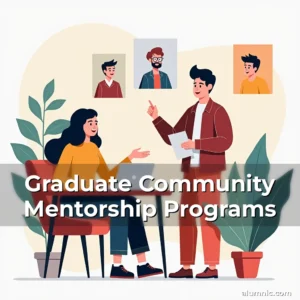
- Mentorship Opportunities: Experienced professionals within the network often volunteer time to guide newcomers, offering invaluable advice on everything from resume refinement to strategic career moves.
- Referral Programs: Employers frequently prioritize candidates referred by current employees due to reduced hiring risks associated with vetted recommendations.
By leveraging these advantages strategically, graduates position themselves advantageously against non-networked peers vying for similar roles across industries ranging from technology startups to international NGOs.
Cultivating Lasting Relationships Through Engagement
Active engagement within graduate communities lays the groundwork for enduring friendships and partnerships that transcend traditional employer-employee dynamics. Regular participation in club meetings, social gatherings, or even casual coffee meetups fosters camaraderie essential for building trust over time.
Such interactions create natural environments conducive to knowledge sharing—whether discussing recent advancements in artificial intelligence during tech-focused panels or exchanging ideas about sustainable business practices at entrepreneurship symposiums. These exchanges enrich participants’ understanding while simultaneously strengthening bonds formed through mutual respect and intellectual curiosity.
Engagement doesn’t necessarily require grand gestures; simple acts like attending monthly webinars hosted by faculty experts or contributing insightful comments on LinkedIn posts authored by fellow alums suffice to demonstrate commitment towards communal growth.
Leveraging Shared Experiences for Mutual Growth
Graduates share numerous formative experiences during their studies that continue influencing them post-graduation. Recognizing these parallels enables individuals to draw upon collective wisdom accumulated over years spent together inside lecture halls and research labs alike.
For instance, those who collaborated closely on group projects may later find themselves working side-by-side once again under different corporate banners yet facing identical operational hurdles requiring creative problem-solving techniques honed back then. Identifying such synergies allows former classmates to rekindle old teamwork spirit in fresh contexts.
This phenomenon isn’t limited solely to technical fields either; humanities majors benefit similarly whenever they encounter ethical dilemmas mirroring discussions held around dinner tables during college days. Drawing upon past debates equips them better to handle contemporary issues arising in policy-making arenas worldwide.
Building Professional Brand Through Collective Influence
A strong presence within one’s graduate community significantly enhances individual branding efforts aimed at establishing oneself professionally. Being consistently visible through active contributions helps shape perceptions regarding expertise level among contemporaries seeking reliable sources of information.
Contributing articles to newsletters published by alumni associations or moderating discussion forums centered around niche topics showcases leadership qualities coveted by future employers looking for well-rounded candidates capable of managing diverse teams effectively.
Additionally, being invited regularly to speak at university functions signals recognition from authorities whose endorsements carry considerable weight amongst recruiters scouting promising prospects aligned with institutional values.
Fostering Inclusivity Within Graduate Communities
To ensure every member feels valued regardless of background differences, inclusive policies must govern all aspects of interaction within any given graduate circle. Initiatives promoting diversity awareness campaigns help break down preconceived notions hindering genuine rapport formation among disparate groups.
Diversity shouldn’t merely exist as token representation—it needs nurturing through intentional measures ensuring equitable treatment across genders, ethnicities, socioeconomic statuses, etc. Establishing affinity groups focused on supporting marginalized voices provides safe spaces where everyone can express opinions freely without fear of judgment.
Furthermore, implementing anonymous feedback mechanisms empowers quieter members whose perspectives might otherwise go unheard simply because they lack confidence speaking up publicly amidst larger crowds.
Support Systems for Continuous Learning & Development
Educational pursuits don’t end with obtaining degrees; rather, they evolve continuously throughout life journeys shaped by ever-changing technological paradigms necessitating perpetual skill acquisition. Graduate communities play pivotal roles here too by organizing refresher courses covering emerging trends relevant across disciplines.
Whether it involves coding boot camps catering primarily toward software engineers aiming to stay updated with latest programming languages or soft skills training modules targeting managers needing improved communication abilities, there exists something suitable almost universally applicable nowadays.
Participating regularly ensures participants remain competitive irrespective of chosen professions since adaptability has become key determinant distinguishing successful versus stagnant careers globally.
Navigating Global Challenges Together
Today’s interconnected world presents unprecedented challenges demanding cross-border cooperation solutions rooted firmly in cultural sensitivity and deepened regional comprehension achieved via sustained exposure facilitated largely thanks to globalized alumni bases.
Collaborative initiatives involving joint ventures between universities located in geographically distant regions enable pooling of resources required tackling climate change mitigation strategies beneficially impacting entire continents simultaneously instead of isolated nation-states operating independently.
Similarly, humanitarian crises often demand rapid response coordination achievable only when stakeholders spanning multiple jurisdictions collaborate seamlessly leveraging existing trust frameworks built through prior engagements within unified graduate cohorts.
Ensuring Long-Term Sustainability Of Graduate Communities
Sustaining vibrant graduate communities requires deliberate effort directed towards maintaining relevance amid shifting societal priorities continually reshaping what constitutes effective engagement models worthy pursuing long-term.
Regular evaluation processes assessing satisfaction levels among constituents coupled with flexible adaptation capabilities allow structures to morph organically according to evolving needs rather than rigid adherence outdated methodologies incapable addressing modern complexities adequately.
Investment in digital infrastructure supports continued accessibility enabling remote participation options critical especially considering increasing prevalence hybrid work arrangements becoming norm rather exception anymore particularly following pandemic-induced transformations affecting nearly every sector universally.
Conclusion
As demonstrated throughout this exploration, graduate communities wield immense power shaping destinies of those belonging to them. Their influence extends far beyond conventional expectations initially attributed solely educational milestones reached collectively attained achievements celebrated joyfully upon graduation ceremonies concluded ceremoniously each year.
However, true value lies precisely within ongoing dialogues initiated post-graduation periods marking beginning rather ending chapters personal narratives interwoven tightly fabric broader human story unfolding everyday before our eyes now more than ever before.