Graduate Community Networking Opportunities
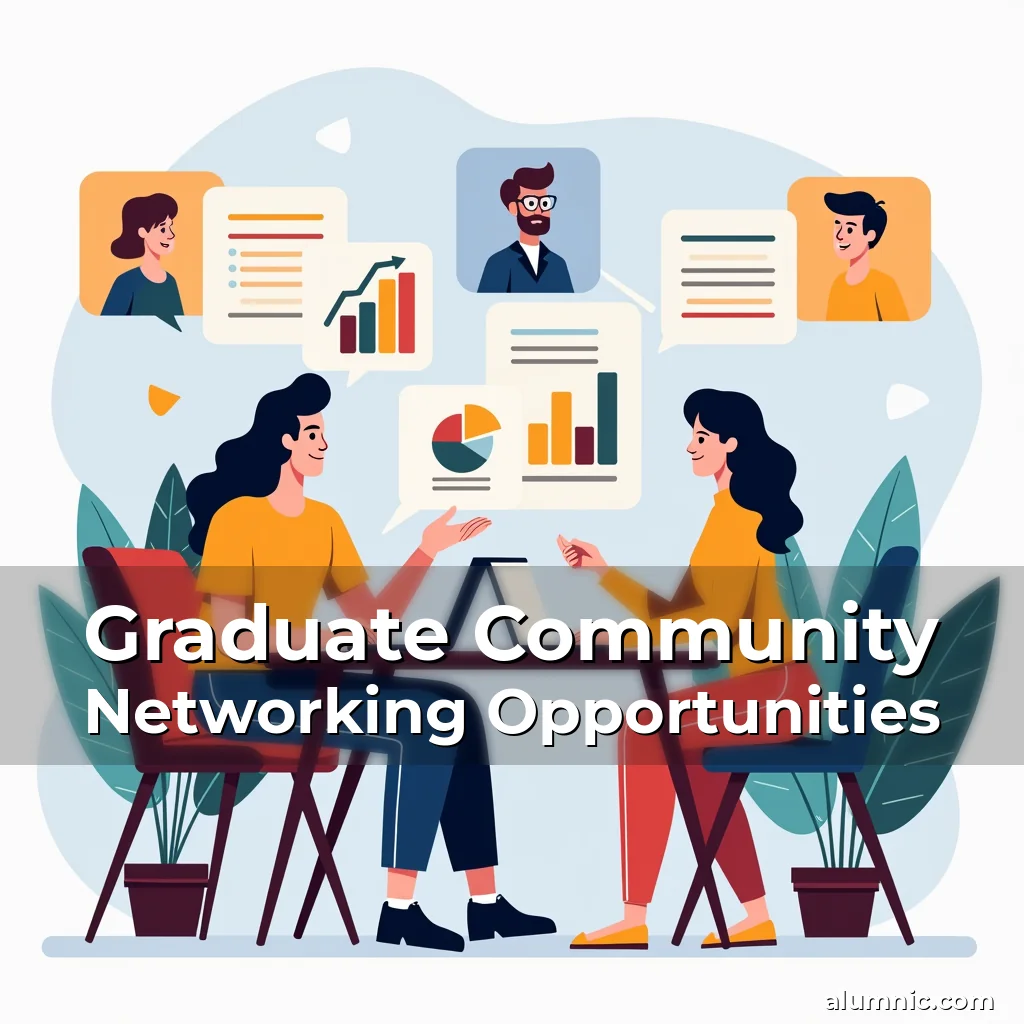
The graduate community represents a powerful network that extends far beyond the confines of academic institutions. As alumni of prestigious programs, you are part of an extended family dedicated to mutual support, professional growth, and shared experiences. This dynamic environment offers unparalleled opportunities for networking, collaboration, and mentorship.
In today’s rapidly evolving job market, maintaining strong ties within your graduate community can significantly enhance your career prospects. Whether seeking new employment, exploring entrepreneurial ventures, or advancing in your current role, these connections provide invaluable resources and insights.
The Power of Alumni Networks
Alumni networks serve as vital conduits for career advancement by connecting graduates with industry leaders, potential employers, and fellow professionals who share similar interests and goals. These relationships often lead to job referrals, collaborative projects, and exclusive access to professional events.
A well-maintained alumni network not only expands your personal brand but also strengthens your credibility within your chosen field. When recruiters see consistent engagement from former classmates or professors, they recognize your commitment to continuous learning and professional excellence.
Industry-specific advantages:
- Technology fields: Access to cutting-edge research initiatives, early involvement in product launches, and invitations to tech conferences featuring keynote speakers from leading companies.
- Healthcare professions: Participation in clinical trials, attendance at specialized medical symposiums, and direct communication channels with hospital administrators and researchers.
- Business disciplines: Exclusive webinars hosted by Fortune 500 executives, internship placement assistance through company partnerships, and strategic advisory roles in startup incubators.
Maintaining active participation in alumni groups requires intentional effort. Regular check-ins via email newsletters, attending virtual meetups, and contributing to discussion forums help sustain meaningful relationships over time.
The value of these connections grows exponentially when combined with targeted outreach strategies such as LinkedIn profile optimization and personalized follow-ups after meeting someone at an event.
Career Development Through Graduate Communities
Graduate communities offer structured pathways for ongoing education and skill enhancement. Many universities maintain robust online platforms where alumni can access course materials, participate in webinars, and engage in peer-to-peer mentoring sessions.
These digital spaces foster knowledge exchange across generations of students while creating natural pipelines for succession planning within organizations. Companies increasingly seek candidates who demonstrate long-term commitment to their profession through sustained engagement with educational networks.
One particularly effective feature is the availability of micro-credentialing programs tailored specifically for working professionals. These shorter-format courses allow individuals to stay competitive without requiring significant time commitments away from full-time careers.
For those interested in leadership development, many graduate associations host executive coaching workshops led by seasoned HR professionals. These interactive sessions cover topics ranging from conflict resolution techniques to change management strategies applicable in diverse organizational settings.
Fostering Professional Growth Within Your Cohort
Building strong relationships within your graduate cohort lays the foundation for lasting professional success. Consistent interaction during university years creates patterns of trust and understanding that translate seamlessly into post-graduation collaborations.
Studies show that graduates who maintain regular contact with peers report higher satisfaction levels in both their personal and professional lives. This phenomenon stems from the psychological safety created through shared histories and common challenges faced during academic training.
Regular group activities such as quarterly coffee meetings or annual reunions reinforce bonds formed during formative years. These gatherings create informal yet productive environments where ideas can flow freely without hierarchical constraints.
The ripple effect of these interactions becomes evident when alumni begin supporting each other’s career transitions. A simple referral from a trusted colleague often carries more weight than traditional recruitment methods due to its perceived authenticity.
Leveraging Mentorship Programs Effectively
Mentorship remains one of the most potent tools available to graduates looking to accelerate their careers. Formalized programs typically pair mentees with experienced professionals who have navigated comparable career paths.
Successful mentorship relationships require clear objectives aligned with individual career aspirations. Establishing SMART goals (specific, measurable, achievable, relevant, time-bound) ensures both parties understand expectations and progress metrics.
To maximize benefits from these relationships, mentees should approach interactions with curiosity rather than dependency. Asking thoughtful questions demonstrates initiative while allowing mentors to showcase their expertise organically.
Many modern mentorship models incorporate technology solutions like video conferencing tools and project management software to facilitate remote guidance. This flexibility enables participants from different geographic locations to collaborate effectively.
Utilizing Digital Platforms for Network Expansion
Digital transformation has revolutionized how graduates maintain and expand their professional networks. Social media platforms now function as sophisticated business intelligence tools capable of identifying potential collaborators based on mutual interests and qualifications.
LinkedIn, in particular, has evolved into a primary hub for professional networking. Optimizing profiles with relevant keywords increases visibility among recruiters searching for qualified candidates matching specific criteria.
Engagement strategies go beyond mere profile completion. Active participation in discussions related to industry trends, sharing insightful articles, and commenting thoughtfully on colleagues’ posts helps establish authority within niche markets.
Some institutions have developed proprietary apps that integrate alumni directories with real-time updates on job openings, conference schedules, and upcoming reunion dates. These centralized hubs streamline information sharing while reinforcing institutional loyalty.
Creating Lasting Impact Through Volunteerism
Volunteer work within graduate communities provides dual benefits – enhancing personal resumes while strengthening organizational structures. Participating in alumni-led initiatives allows individuals to contribute meaningfully while developing soft skills essential for leadership roles.
When selecting volunteer opportunities, aligning efforts with personal strengths maximizes impact. Those skilled in public speaking might take charge of organizing panel discussions whereas analytical minds could assist with data analysis for program evaluations.
Such engagements naturally cultivate deeper relationships with fellow volunteers, creating organic pathways for future collaborations. Shared experiences during service projects build camaraderie that transcends formal hierarchies.
The intangible rewards of giving back include increased self-confidence, expanded worldview perspectives, and enhanced emotional intelligence. These qualities become particularly valuable when navigating complex workplace dynamics later in careers.
Staying Connected Across Generations
Maintaining intergenerational connections within the graduate community enriches the overall experience by facilitating cross-pollination of ideas and approaches. Younger alumni bring fresh perspectives while older members offer wisdom gained through decades of professional practice.
This symbiotic relationship fosters innovation as contrasting viewpoints challenge conventional assumptions. Collaborations spanning different age brackets frequently result in groundbreaking solutions previously unconsidered by homogeneous teams.
Sustaining these connections requires conscious effort through scheduled catch-ups, joint projects, and open-mindedness towards differing opinions. Technology plays a crucial role here by enabling seamless communication regardless of physical location.
Intergenerational mentorship models prove especially beneficial during periods of rapid technological disruption. Seasoned professionals guide younger counterparts through industry changes while gaining insight into emerging technologies shaping future landscapes.
Navigating Career Transitions With Supportive Networks
During times of career transition, having a supportive graduate community proves indispensable. Members often serve as sounding boards for new ideas, providing objective feedback grounded in shared experiences.
Job search assistance ranges from resume reviews and interview preparation tips to introductions with hiring managers at compatible organizations. Peer review processes ensure application materials reflect best practices established within the field.
Support systems extend beyond immediate job searches to encompass broader life transitions such as relocation decisions, work-life balance considerations, and long-term financial planning.
Emotional support becomes equally critical during challenging phases. Knowing there exists a reliable support system reduces stress associated with uncertainty while reinforcing resilience necessary for continued professional development.
Maximizing Benefits From University Resources
Most universities continue offering resources to graduates even after graduation ceremonies. Career centers remain accessible for resume critiques, mock interviews, and salary negotiation advice despite official status change.
Libraries often grant extended borrowing privileges for alumni, ensuring continued access to scholarly publications and research databases essential for staying current in fast-evolving industries.
Workshops and seminars frequently welcome alumni attendees free of charge, recognizing the importance of lifelong learning for career sustainability. Some programs even offer discounted rates for certificate courses taken post-graduation.
Online portals serve as central repositories containing everything from alumni directories to event calendars. These digital interfaces simplify navigation through vast networks otherwise difficult to manage manually.
Establishing Personal Brand Through Grad School Connections
Your graduate school connections play a pivotal role in defining your professional identity. Thoughtful cultivation of these relationships contributes directly to establishing a distinctive personal brand recognized within your field.
Consistency in messaging across various platforms reinforces brand recognition. Whether through LinkedIn endorsements, speaking engagements, or published works, maintaining thematic coherence strengthens overall perception.
Active contribution to alumni groups positions you as an engaged member invested in collective success. Sharing insights from recent professional achievements showcases ongoing development while demonstrating generosity towards others.
Participating in panels or guest lectures further enhances credibility by placing you alongside respected figures in your discipline. Such exposure builds authority without appearing boastful or self-serving.
Global Perspectives In Graduate Networks
International graduate communities present unique opportunities for cultural immersion and global awareness. Exposure to diverse viewpoints broadens problem-solving capabilities and prepares professionals for multinational workplaces.
Study abroad components often leave lasting impressions that influence career trajectories. Understanding international business practices becomes second nature through lived experiences rather than theoretical instruction alone.
Cross-cultural collaborations foster adaptability required in today’s interconnected economy. Navigating language barriers and varying work styles develops transferable skills highly valued by employers worldwide.
Language acquisition facilitated through immersive experiences gives graduates a competitive edge in global markets. Proficiency in multiple languages opens doors to international assignments and diplomatic roles unavailable domestically.
Building Leadership Skills Through Collective Engagement
Leadership emerges naturally from sustained engagement within graduate communities. Taking initiative in organizing events or spearheading projects cultivates managerial competencies sought after in corporate environments.
Planning successful alumni functions requires coordination of logistics, budget management, and stakeholder communication – all critical skills honed through hands-on experience. These responsibilities mirror those found in mid-level supervisory roles.
Public speaking opportunities arise regularly through presentations given at conferences or town hall meetings. Mastering this skill set improves confidence levels essential for boardroom negotiations and client pitches.
Conflict resolution scenarios encountered during committee work prepare individuals for handling team disagreements professionally. Learning to mediate disputes constructively translates directly into human resource management capacities.
Cultivating Entrepreneurial Mindsets Within Graduate Circles
Entrepreneurial spirit thrives in environments rich with intellectual diversity and risk-taking tolerance. Graduate communities often serve as ideal breeding grounds for innovative startups and social enterprises.
Access to incubator programs and pitch competitions provides tangible avenues for testing business ideas against real-world standards. Feedback received from judges and investors informs refinements before wider implementation.
Collaboration with engineering-focused cohorts unlocks technical capabilities otherwise inaccessible individually. Combining creative vision with scientific precision produces scalable solutions addressing contemporary issues.
Shared failures become learning experiences rather than setbacks when approached collectively. The communal aspect transforms what might seem like personal shortcomings into group lessons promoting collective improvement.
Ensuring Long-Term Sustainability Of Networking Relationships
Purposeful maintenance keeps networking relationships vibrant and mutually beneficial. Scheduled touchpoints prevent drifting apart while reinforcing existing connections through consistent engagement.
Variety in communication modes prevents monotony by incorporating elements like surprise visits, handwritten notes, or spontaneous phone calls alongside standard emails and messages.
Personalization adds depth to exchanges by acknowledging milestones achieved since last correspondence. Recognizing anniversaries or promotions shows genuine interest beyond transactional interactions.
Reciprocity maintains equilibrium within relationships by balancing what is asked versus what is offered. True networking thrives on give-and-take principles ensuring mutual enrichment rather than one-sided benefit.
Conclusion
The graduate community represents much more than a collection of former classmates; it serves as a dynamic ecosystem fostering continuous professional evolution. By actively participating in alumni networks, leveraging digital tools, and nurturing interpersonal relationships, graduates position themselves strategically for long-term success.
Remember, sustaining these connections demands intentionality and consistency. Make it a priority to attend events, engage in conversations, and offer support whenever possible. The strength of your graduate community will ultimately determine the trajectory of your career journey.