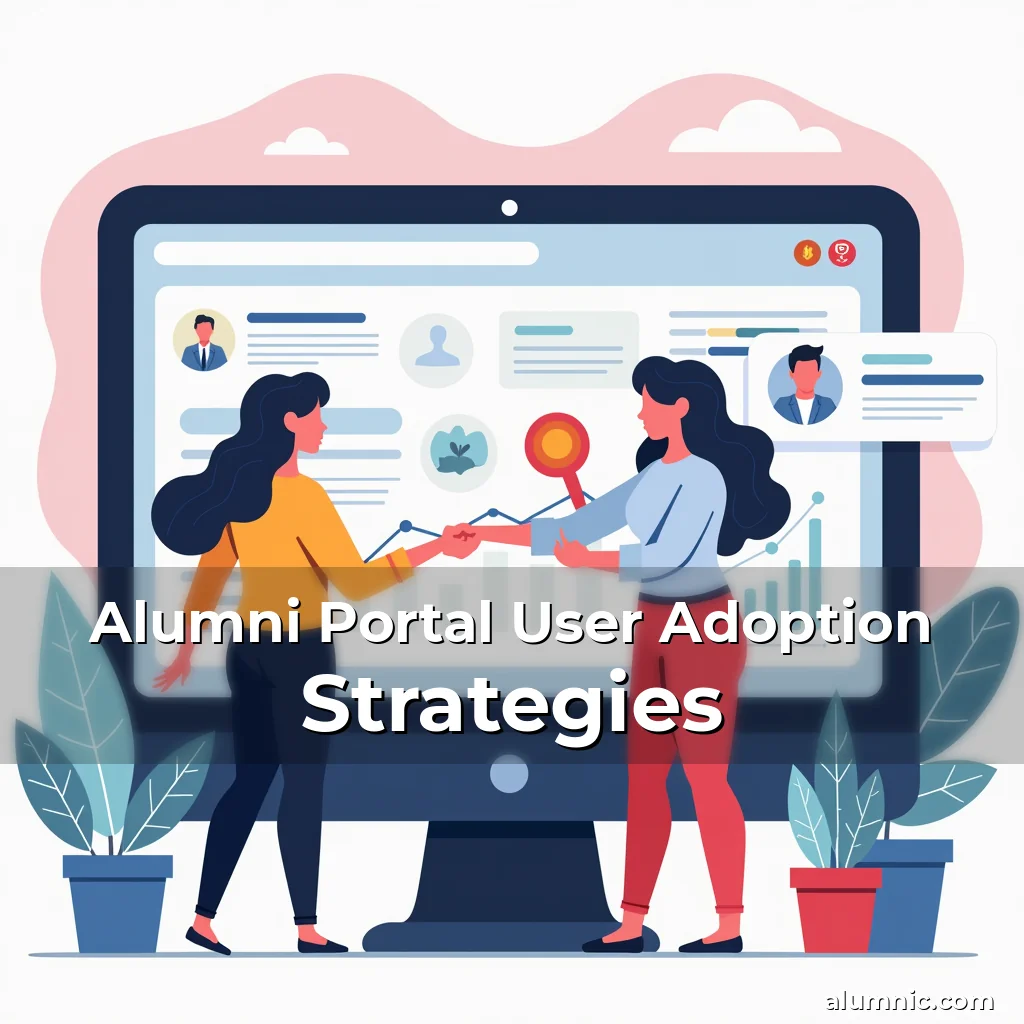
Alumni Portal User Adoption Strategies
In the evolving landscape of education and professional development, alumni portals serve as crucial bridges connecting graduates to lifelong opportunities. These digital platforms transcend basic communication tools, transforming into vibrant ecosystems that empower alumni to navigate careers, collaborate, and contribute to institutional missions.
However, the success of an alumni portal hinges critically on user adoption. Without a substantial number of active participants, even the most feature-rich portal becomes little more than an unused asset. Effective strategies are essential to drive engagement and maximize the value these platforms provide.
Understanding the Core Purpose of Alumni Portals
At its foundation, an alumni portal aims to sustain connection and collaboration among graduates, faculty, and employers. It acts as a central hub where individuals can share achievements, seek guidance, and discover opportunities that align with their professional goals.
These platforms often integrate job boards, event listings, and mentorship programs, thereby fulfilling diverse needs. For instance, an engineering graduate might find internships through the portal, while a finance professional may connect with fellow alumni for investment advice.
Moreover, many portals host forums and discussion groups centered around niche topics, such as sustainability or digital marketing. This targeted approach fosters deeper engagement by catering to specific interests.
- Variety of Features: Comprehensive portals typically include directories, calendar events, and news feeds to cater to different preferences and uses.
- User-Centric Design: Interfaces that prioritize ease of navigation and accessibility help reduce barriers for less tech-savvy users.
- Community Building Tools: Features like group chats, forums, and virtual meetups encourage interaction beyond transactional purposes.
Creating a Compelling Onboarding Experience
Effective onboarding is pivotal for converting new users into active contributors. An intuitive first experience can dramatically influence whether someone continues using the portal or abandons it quickly.
Begin with a streamlined sign-up process that minimizes friction. Options for logging in through social media accounts or email integrations simplify registration, lowering dropout rates caused by cumbersome forms.
Once registered, guide users through personalized introductions. Highlight key features that match their profiles—for example, recommending job openings to recent graduates or local events to regional alumni.
Sending out a welcome message with helpful links or video tutorials further supports initial exploration. A warm, inclusive tone in communications reinforces the sense of belonging and communal effort.
Educational materials outlining the portal’s offerings should be easily accessible. Consider providing tooltips, FAQs, or a dedicated tutorial section that users can explore at their own pace.
Finally, consider implementing gamification elements to motivate early interactions. Achieving certain milestones like completing profile details or attending webinars can earn badges or unlock exclusive content.
Engagement Metrics and Feedback Loops
Monitoring user behavior provides invaluable insights into how the portal is being utilized. Tracking login frequencies, time spent on particular pages, and feature usage helps identify strengths and gaps in functionality.
Surveying users periodically about their experiences offers qualitative data. Questions about preferred features, usability concerns, and unmet needs reveal opportunities for refinement and expansion.
Actively incorporating user input demonstrates that the portal values its community’s voice. This commitment builds trust and encourages continued participation as users see their feedback translated into improvements.
Benchmarking performance against similar platforms can also inform strategy. Understanding industry standards aids in setting realistic targets and identifying areas needing special attention.
Driving Participation Through Incentives
While organic interest plays a role in portal activity, structured incentives often catalyze broader participation. Offering rewards increases motivation and makes engagement feel more rewarding.
Consider implementing tiered membership plans that grant access to premium features contingent upon meeting participation thresholds. Members who frequently contribute articles, attend meetings, or assist newcomers could receive perks like priority consideration for job postings.
Recognition programs celebrate those who actively shape the community. Public acknowledgments on leaderboards or newsletter spotlights reinforce positive behaviors and inspire emulation by others.
Exclusive networking opportunities reserved for highly active members
Videos depicting current projects or interviews with innovators bring abstract ideas into tangible form. Short-form visual storytelling engages audiences accustomed to consuming information through mobile screens.
Encouraging user-
Alumni Portal User Adoption Strategies
In the evolving landscape of education and professional development, alumni portals serve as crucial bridges connecting graduates to lifelong opportunities. These digital platforms transcend basic communication tools, transforming into vibrant ecosystems that empower alumni to navigate careers, collaborate, and contribute to institutional missions.
However, the success of an alumni portal hinges critically on user adoption. Without a substantial number of active participants, even the most feature-rich portal becomes little more than an unused asset. Effective strategies are essential to drive engagement and maximize the value these platforms provide.
Understanding the Core Purpose of Alumni Portals
At its foundation, an alumni portal aims to sustain connection and collaboration among graduates, faculty, and employers. It acts as a central hub where individuals can share achievements, seek guidance, and discover opportunities that align with their professional goals.
These platforms often integrate job boards, event listings, and mentorship programs, thereby fulfilling diverse needs. For instance, an engineering graduate might find internships through the portal, while a finance professional may connect with fellow alumni for investment advice.
Moreover, many portals host forums and discussion groups centered around niche topics, such as sustainability or digital marketing. This targeted approach fosters deeper engagement by catering to specific interests.
- Variety of Features: Comprehensive portals typically include directories, calendar events, and news feeds to cater to different preferences and uses.
- User-Centric Design: Interfaces that prioritize ease of navigation and accessibility help reduce barriers for less tech-savvy users.
- Community Building Tools: Features like group chats, forums, and virtual meetups encourage interaction beyond transactional purposes.