The Power of Alumni Networks at Smaller Institutions: Building Bridges Beyond Graduation
In an increasingly interconnected world, graduates from small colleges often find themselves navigating professional landscapes that seem dominated by larger universities’ vast alumni bases. However, what many overlook is that smaller institutions can cultivate some of the most robust and personalized alumni networks in higher education.
This article explores how alumni associations at smaller schools are transforming into dynamic platforms for career growth, mentorship opportunities, and lifelong learning. Through real-world examples and practical advice, we’ll uncover strategies for making the most of your college’s unique connections.
Understanding the Unique Value Proposition of Small College Alumni Networks
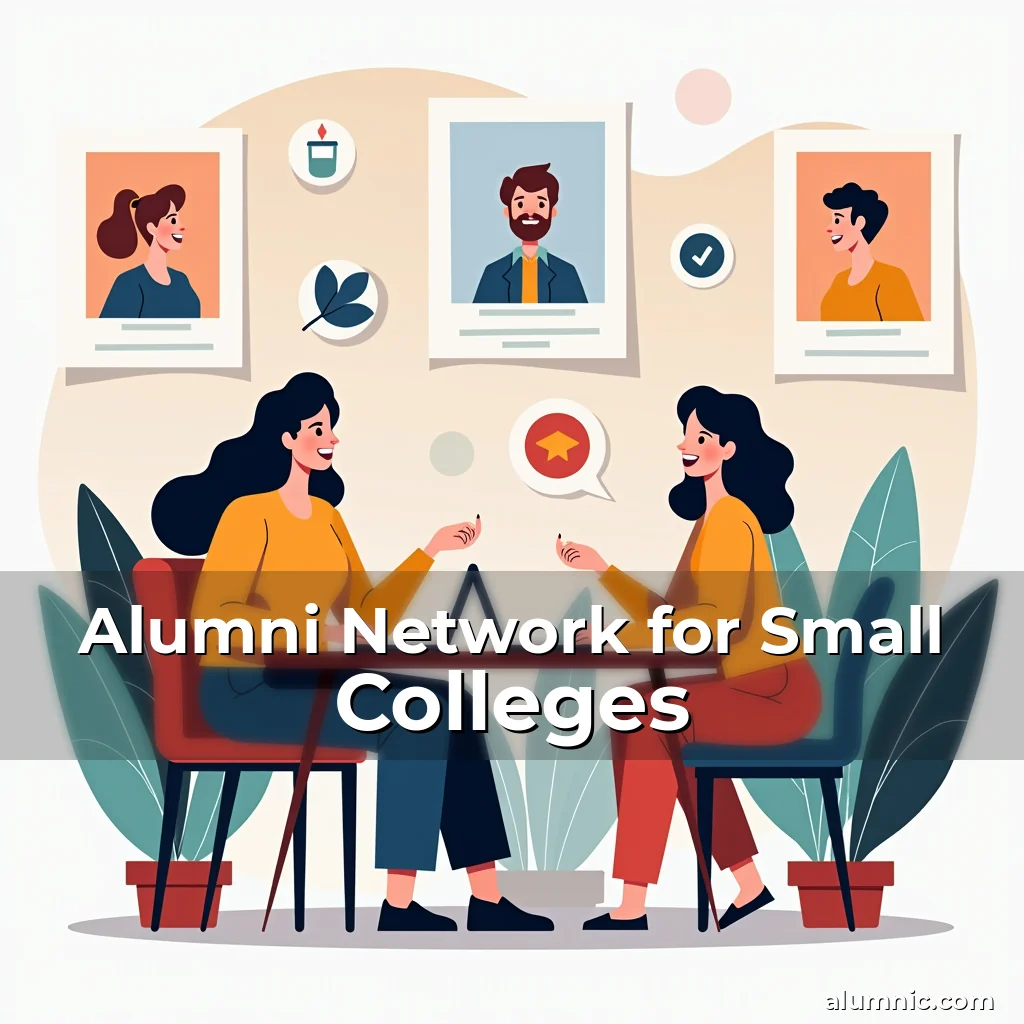
Small college alumni networks offer distinct advantages over their counterparts at larger institutions. With fewer graduates, each individual holds greater visibility within the community, leading to stronger personal relationships between alumni and administrators.
These close-knit communities foster deeper engagement through regular events, both virtual and in-person. From annual reunions to quarterly networking mixers, there are consistent touchpoints that help maintain strong bonds among members.
- Personalized Connections: With smaller numbers, alumni often know each other personally rather than merely professionally. This familiarity creates natural pathways for collaboration and support.
- Responsive Support Systems: Administrators and faculty tend to remain closely connected to alumni due to limited graduate populations, resulting in more accessible resources and guidance.
The sense of shared identity among small college graduates also strengthens these networks. Alumni often develop a deep emotional connection to their alma mater, which translates into active participation in various initiatives.
This communal spirit manifests in volunteer efforts, financial contributions, and ongoing educational collaborations that benefit both current students and graduates alike.
Leveraging Your Alumni Status for Career Advancement
Career development through alumni networks requires strategic approach and sustained engagement. Begin by thoroughly understanding the resources available through your college’s official alumni association.
Most small college networks have dedicated career services departments that offer resume reviews, interview preparation, and job board access exclusive to alumni. These specialized services are tailored to meet the needs of graduates from niche programs.
Take advantage of mentorship programs specifically designed for small college alumni. Unlike large university systems where mentors may be overwhelmed by requests, you’re likely to receive more focused attention and customized guidance here.
Maintain regular communication with fellow alumni across different industries. A simple LinkedIn message or coffee meeting could lead to unexpected professional opportunities down the line.
Many small colleges host job fairs exclusively for alumni, providing direct access to employers who value the distinctive skills developed at these institutions.
Building Meaningful Professional Relationships Within the Network
Creating genuine connections goes beyond attending events or exchanging business cards. It involves cultivating authentic relationships based on mutual respect and shared experiences.
Schedule periodic check-ins with contacts you’ve met through the network. Even brief messages asking about their work or sharing relevant news demonstrate continued interest in maintaining the relationship.
Participate actively in online forums and discussion groups hosted by your alumni association. Engaging regularly helps build credibility and makes you more memorable when opportunities arise.
Consider offering assistance to fellow alumni whenever possible. Whether helping them connect with someone else in your circle or sharing information about industry trends, reciprocity strengthens network ties.
Attend niche events related to your field of expertise. Specialized gatherings allow for deeper conversations and more meaningful interactions with professionals facing similar challenges.
Maximizing Mentorship Opportunities in Small College Networks
Mentorship thrives in small college environments due to the inherently closer relationships formed between alumni and faculty. Many professors continue mentoring former students long after graduation.
Look for formal mentorship programs offered by your alumni organization. These structured initiatives pair mentees with experienced professionals who understand the unique strengths of small college graduates.
Don’t limit yourself to traditional mentors. Industry peers, entrepreneurial classmates, and even recent graduates can provide fresh perspectives and contemporary insights.
Maintain open lines of communication with your mentors. Schedule regular meetings, either in person or via video calls, to discuss progress and seek guidance on new challenges.
Express appreciation for your mentors’ time and expertise. Simple gestures like handwritten thank-you notes or public acknowledgments reinforce positive relationships.
Fostering Lifelong Learning Through Alumni Engagement
Continuing education doesn’t end upon receiving a diploma. Small college alumni networks often facilitate lifelong learning through workshops, seminars, and certificate programs.
Stay informed about upcoming educational offerings through your alumni communications channels. Many schools provide discounted rates or free attendance for certain professional development courses.
Engage in peer-to-peer knowledge sharing sessions. Experienced alumni frequently organize informal discussions on emerging trends in various fields.
Consider participating in research projects led by faculty members. These collaborations not only expand your skill set but also contribute meaningfully to academic advancements.
Some institutions offer credit-bearing executive education programs specifically for alumni, allowing for formal recognition of ongoing learning achievements.
Contributing Back to Strengthen the Network Ecosystem
A thriving alumni network depends on active participation from its members. Consider ways to give back while simultaneously enhancing your own professional profile.
Share your expertise through guest lectures or panel discussions. Teaching others reinforces your own knowledge while establishing thought leadership in your area of specialization.
Support fundraising campaigns that benefit both current students and future alumni. Financial contributions enable expanded programming and improved resources for everyone involved.
Develop internship and apprenticeship programs connecting recent graduates with established alumni in your field. These partnerships create win-win situations for all parties concerned.
Navigating Challenges in Alumni Networking
While small college alumni networks have numerous benefits, they also present unique challenges. Limited geographic dispersion can make face-to-face meetings difficult for some members.
To overcome this, leverage digital tools to stay connected regardless of location. Virtual meetups and online forums maintain engagement without requiring physical presence.
Smaller networks sometimes lack the breadth of specializations found in larger university systems. However, this limitation can actually be an advantage through more targeted, intimate groupings.
Dedicated subgroups form around particular interests or professions, ensuring that members connect with those facing similar career trajectories.
Be proactive in seeking out diverse perspectives within the network. Actively participate in cross-disciplinary dialogues to broaden your professional horizons.
Measuring the Impact of Alumni Network Participation
Evaluating the effectiveness of your involvement in the alumni network provides clarity on areas needing improvement. Track key metrics such as number of professional connections made and job leads received through the network.
Assess quality indicators like frequency of meaningful interactions and level of engagement during events. Quantity alone isn’t always indicative of success.
Survey fellow alumni to gather feedback on program effectiveness and identify potential improvements. Collective insights drive better outcomes for everyone involved.
Analyze how network participation influences career progression. Does increased involvement correlate with faster promotions or salary increases?
Use this data to refine your strategy going forward. Continuous evaluation ensures that your investment of time and energy yields tangible returns.
Conclusion
Small college alumni networks represent powerful assets in today’s competitive landscape. Their unique characteristics – including personal connections, responsive support systems, and shared identities – create exceptional value for participants.
By strategically leveraging these networks through thoughtful engagement, proactive relationship-building, and committed contribution, graduates can unlock unparalleled career opportunities and lifelong professional growth. The true strength lies not just in belonging to a network, but in actively shaping its evolution for generations to come.